Environmental Truth & Justice

  • News
    • Extinction Countdown
    • Wildlife
    • Climate Change
    • Oceans & Clean Water
    • Pollution & Toxins
    • Public Lands & Protected Spaces
    • Sustainability
    • Investigations
  • Ideas
    • Editorials
    • Commentaries
    • Columns
  • Culture
    • Book Reviews
    • Book Excerpts
    • The Arts
  • About

An initiative of the Center for Biological Diversity

An initiative of the Center for Biological Diversity

Environmental Truth & Justice

Subscribe
  • News
    • Extinction Countdown
    • Wildlife
    • Climate Change
    • Oceans & Clean Water
    • Pollution & Toxins
    • Public Lands & Protected Spaces
    • Sustainability
    • Investigations
  • Ideas
    • Editorials
    • Commentaries
    • Columns
  • Culture
    • Book Reviews
    • Book Excerpts
    • The Arts
  • About
  • News
    • Extinction Countdown
    • Wildlife
    • Climate Change
    • Oceans & Clean Water
    • Pollution & Toxins
    • Public Lands & Protected Spaces
    • Sustainability
    • Investigations
  • Ideas
    • Editorials
    • Commentaries
    • Columns
  • Culture
    • Book Reviews
    • Book Excerpts
    • The Arts
  • About

Fish

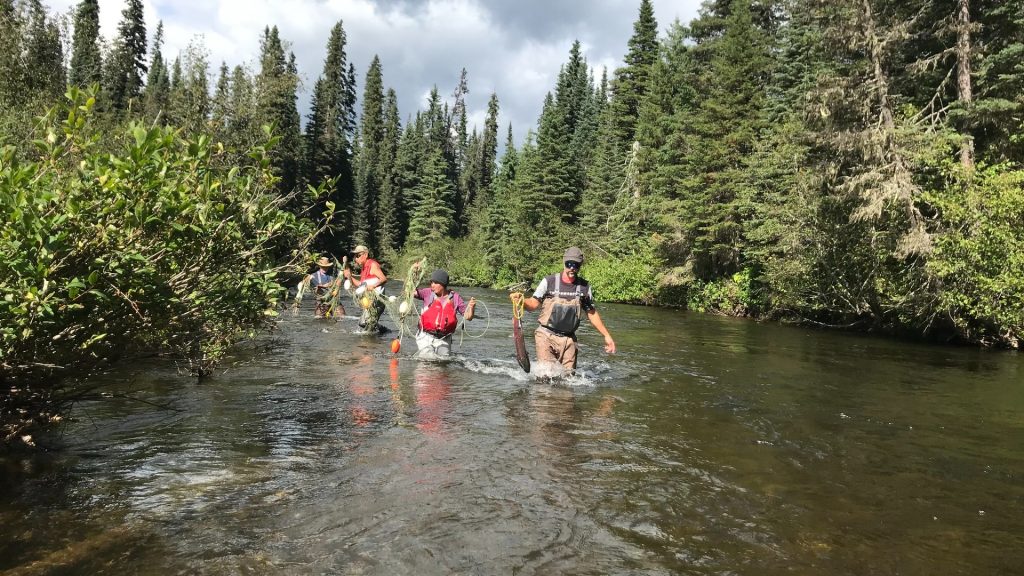
people in creek catching fish
The Ask

Why Indigenous Knowledge Matters to the Future of Fisheries

A groundbreaking program at the University of British Columbia draws from Indigenous knowledge and western science to develop the best tools for helping fisheries and communities.
February 10, 2021
by
Tara Lohan
A groundbreaking program at the University of British Columbia draws from Indigenous knowledge and western science to develop the best tools for helping fisheries and communities.
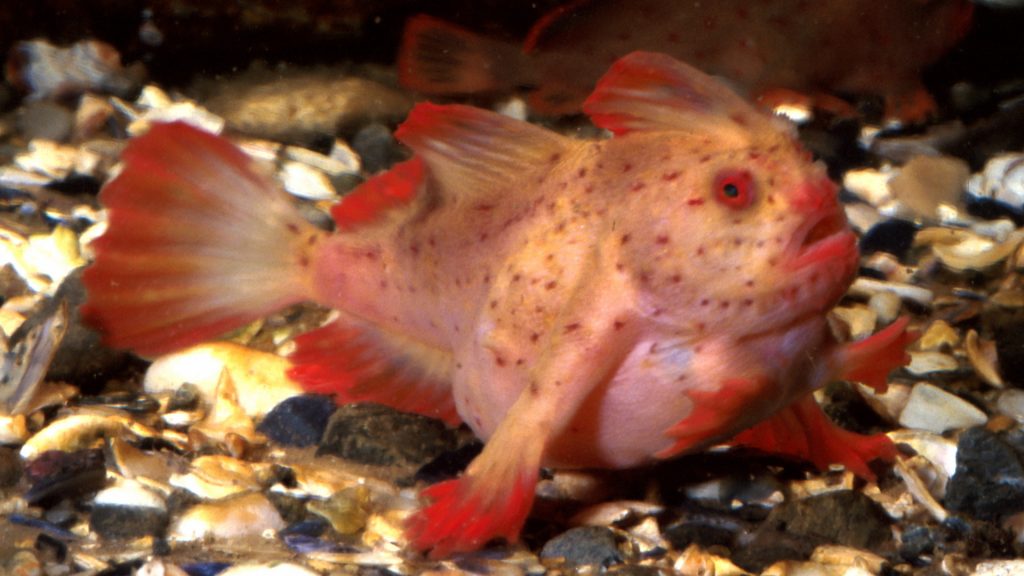
handfish
Extinction Countdown

What We’ve Lost: The Species Declared Extinct in 2020

Dozens of frogs, fish, orchids and other species — many unseen for decades — may no longer exist due to humanity’s destructive effects on the planet.
January 6, 2021
by
John R. Platt
Dozens of frogs, fish, orchids and other species — many unseen for decades — may no longer exist due to humanity’s destructive effects on the planet.
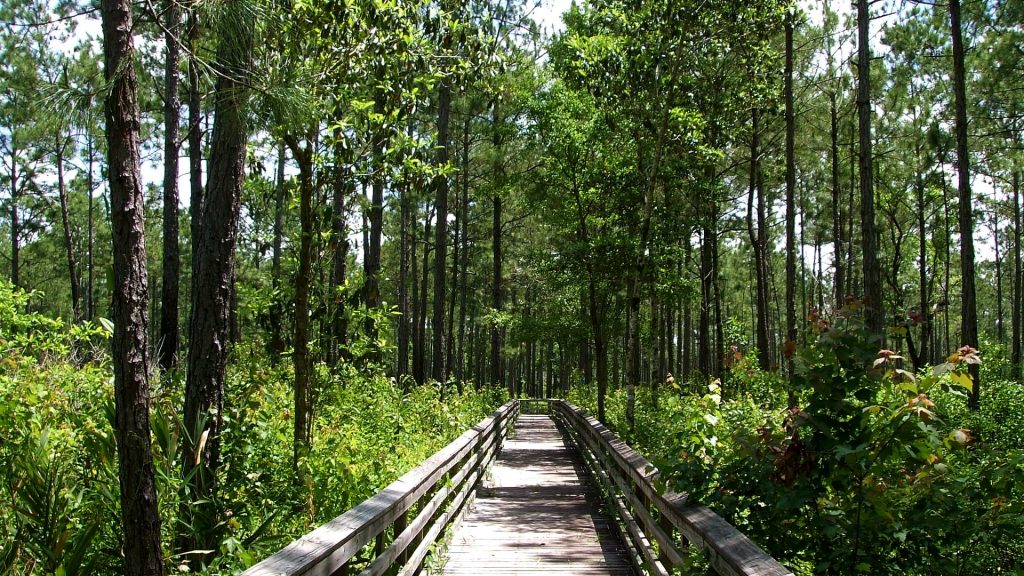
board walk through vegetation
The Ask

Is it Too Late to Save ‘America’s Amazon’?

Alabama’s Mobile River basin has the most aquatic biodiversity in the country. But we’re in danger of losing it before we even know what’s there.
November 30, 2020
by
Tara Lohan
Alabama’s Mobile River basin has the most aquatic biodiversity in the country. But we’re in danger of losing it before we even know what’s there.
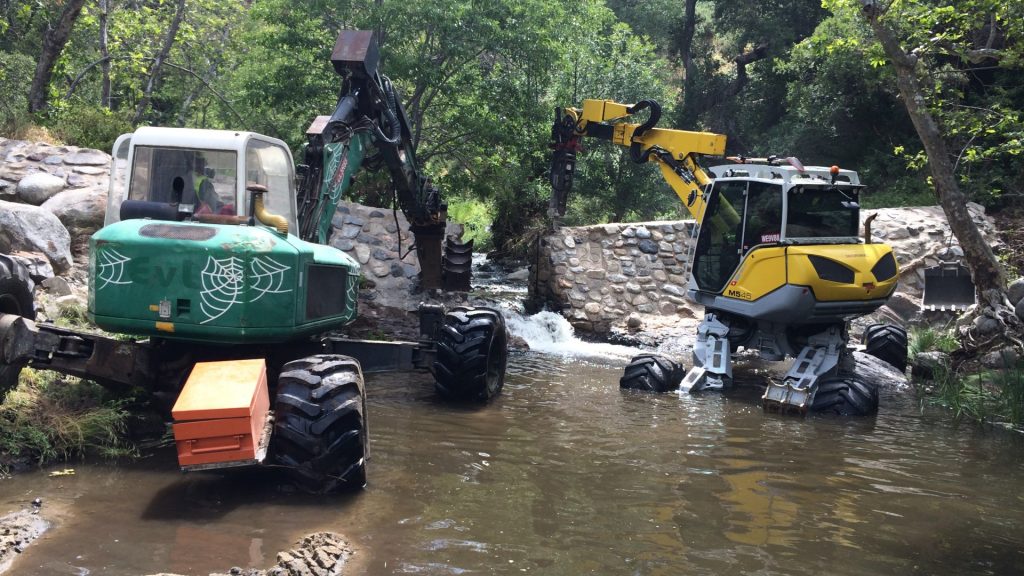
spider excavators removing dam
Oceans & Clean Water

5 Reasons to Rethink the Future of Dams

The United States must grapple with a legacy of 90,000 dams, many unsafe or unwanted.
October 28, 2020
by
Tara Lohan
The United States must grapple with a legacy of 90,000 dams, many unsafe or unwanted.
construction site
Climate Change

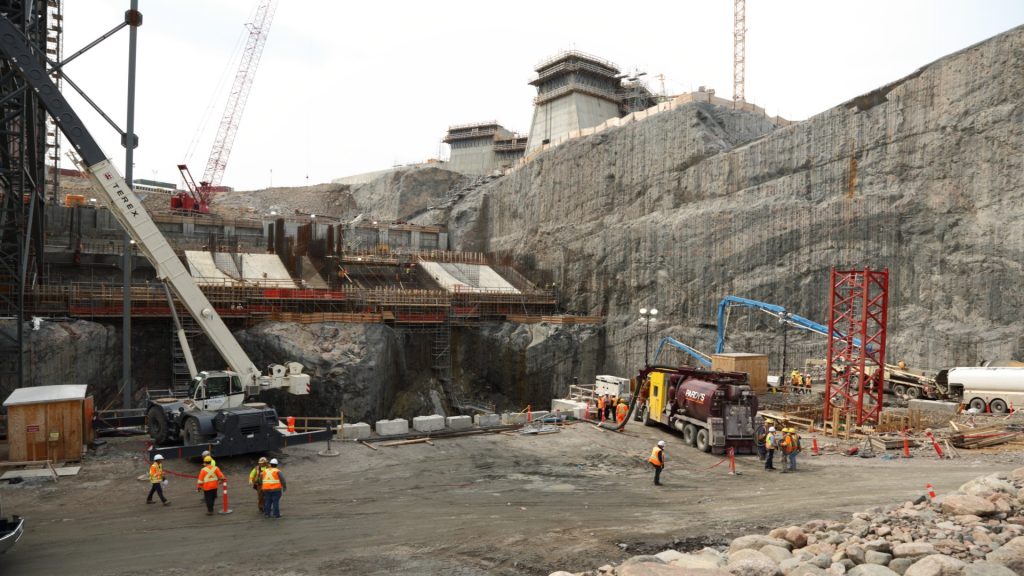
Promise or Peril? Importing Hydropower to Fuel the Clean Energy Transition

U.S. states hope to tap Canada’s network of large dams to meet low-carbon goals, but do better options exist closer to home?
October 19, 2020
by
Tara Lohan
U.S. states hope to tap Canada’s network of large dams to meet low-carbon goals, but do better options exist closer to home?
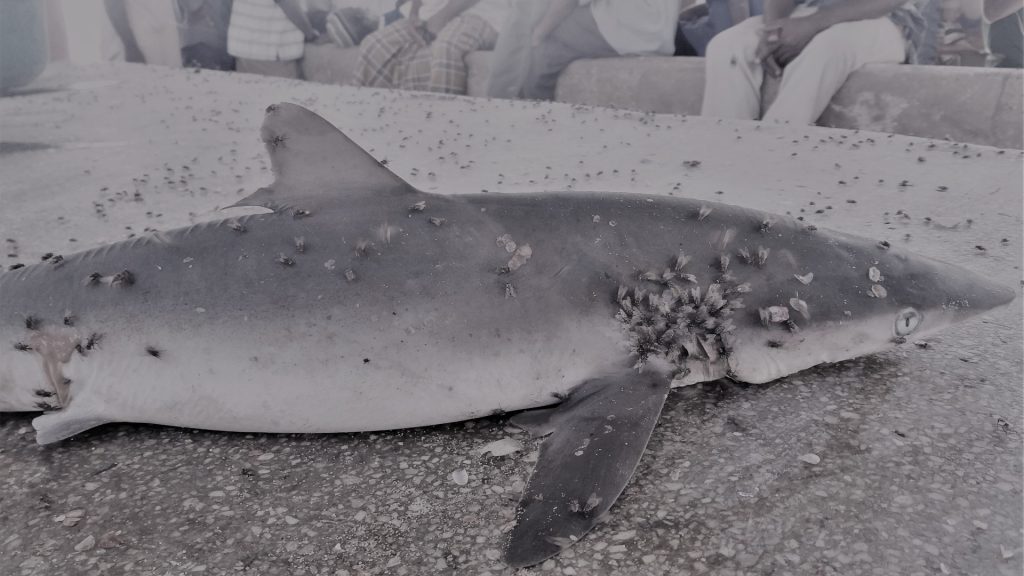
smalltail shark
Extinction Countdown

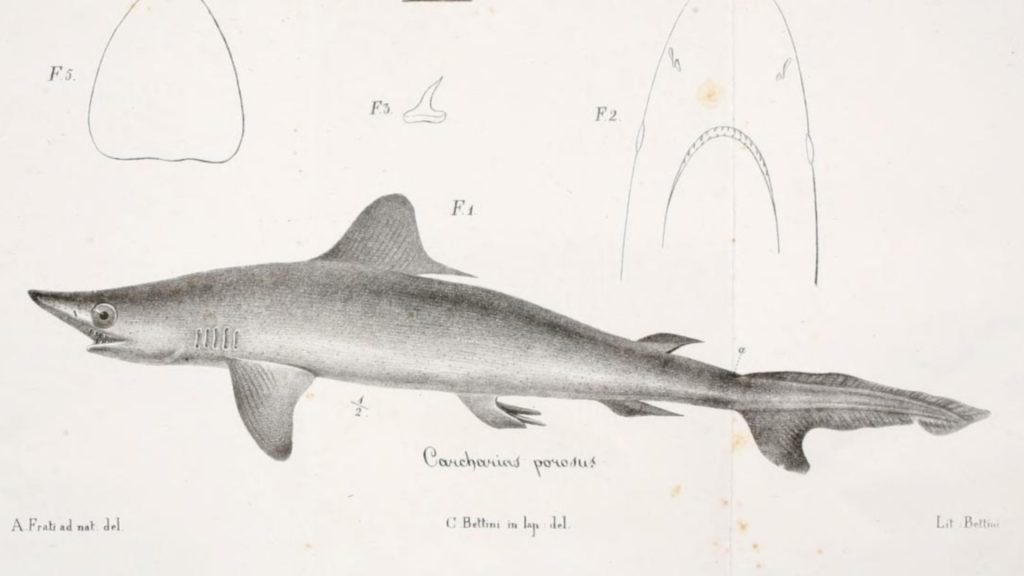
From Abundant to Critically Endangered: Shark Species Nearly Vanishes in Just 40 Years

Smalltail shark populations have declined by 90% in Brazil, and new research finds that overfishing has pushed the species perilously close to extinction.
October 14, 2020
by
John R. Platt
Smalltail shark populations have declined by 90% in Brazil, and new research finds that overfishing has pushed the species perilously close to extinction.
Connecticut River
Commentaries

Endgame Looms for New England’s Great River

After a half-century of failures, the recovery of the Connecticut River ecosystem hangs in the balance. Will authorities finally act to save it?
August 26, 2020
by
Karl Meyer
After a half-century of failures, the recovery of the Connecticut River ecosystem hangs in the balance. Will authorities finally act to save it?
Papua New Guinea
Voices

Shark Quest: Are the World’s Most Endangered Rays Living in New Ireland Province, Papua New Guinea?

Solving this biodiversity mystery could reveal one of the most important sites to conserve these “rhinos of the sea.”
August 14, 2020
by
Jonathan Booth
Solving this biodiversity mystery could reveal one of the most important sites to conserve these “rhinos of the sea.”
silky shark
Commentaries

The Informal Blue Economy: East Africa’s Silent Shark Killer

Subsistence, artisanal and small-scale fisheries represent a previously unrecognized threat to many protected shark and ray species.
August 12, 2020
by
Rhett Bennett and Dave van Beuningen and Mike Markovina
Subsistence, artisanal and small-scale fisheries represent a previously unrecognized threat to many protected shark and ray species.
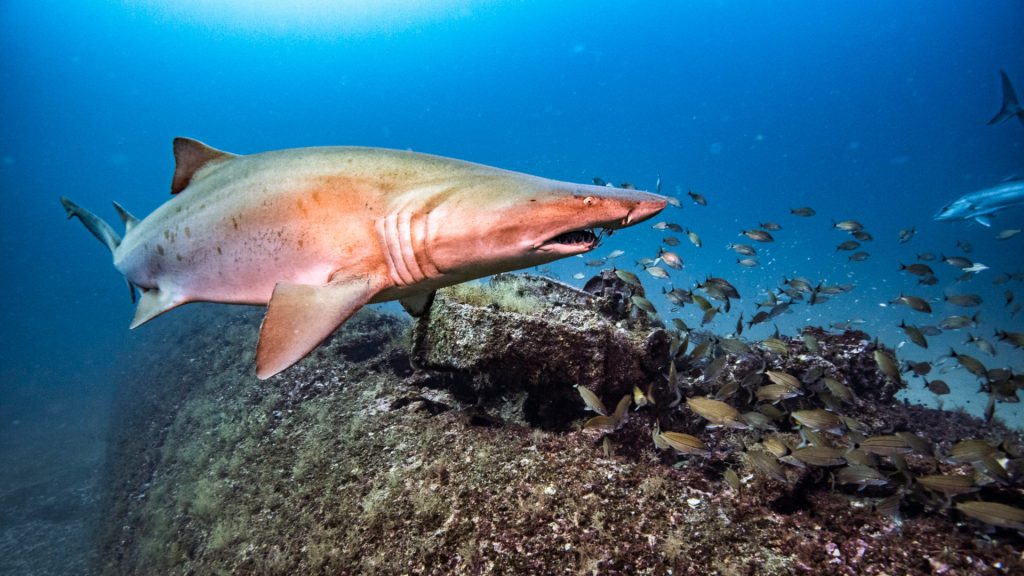
sand shark
Wildlife

Sharks: Imperiled, Maligned, Fascinating

A collection of our best articles and essays about some the world’s most at-risk groups of species — and what we can learn from them.
August 9, 2020
by
John R. Platt
A collection of our best articles and essays about some the world’s most at-risk groups of species — and what we can learn from them.

Posts pagination

Previous page Page 1 … Page 8 Page 9 Page 10 … Page 16 Next page

Subscribe to The Revelator’s weekly newsletter.

Environmental Truth & Justice

  • About The Revelator
  • Reprints
  • Privacy Policy

An initiative of the Center for Biological Diversity

Republish this story

Thank you for your interest in republishing this story. You are free to republish it so long as you do the following:

  • When reprinting our content, cite The Revelator as the source, and if republishing online include a link back to the original story. Our preferred language, ideally placed beneath the byline, reads: “This story was originally published by The Revelator.”
  • Include the author’s byline and bio.
  • Do not make any substantial edits or deletions to the story. Changes to headlines, time or location or for editorial style are permitted.
  • More substantial edits, including cuts or additions, are not permitted without prior consultation.
  • Reprinted materials may not be sold or otherwise syndicated or used to solicit donations of any kind. Please don’t put our content behind a paywall. Republication does not imply an endorsement of The Revelator or the Center for Biological Diversity.
  • We like to keep track of who is reprinting our work, so please drop us a line if you republish one of our stories or if you have any questions.
  • This reprint policy does not include photographs or other illustrations, which may be subject to other licenses and may not be republished. You may reprint photos and graphics attributed to The Revelator with proper attribution.