Environmental Truth & Justice

  • News
    • Extinction Countdown
    • Wildlife
    • Climate Change
    • Oceans & Clean Water
    • Pollution & Toxins
    • Public Lands & Protected Spaces
    • Sustainability
    • Investigations
  • Ideas
    • Editorials
    • Commentaries
    • Columns
  • Culture
    • Book Reviews
    • Book Excerpts
    • The Arts
  • About

An initiative of the Center for Biological Diversity

An initiative of the Center for Biological Diversity

Environmental Truth & Justice

Subscribe
  • News
    • Extinction Countdown
    • Wildlife
    • Climate Change
    • Oceans & Clean Water
    • Pollution & Toxins
    • Public Lands & Protected Spaces
    • Sustainability
    • Investigations
  • Ideas
    • Editorials
    • Commentaries
    • Columns
  • Culture
    • Book Reviews
    • Book Excerpts
    • The Arts
  • About
  • News
    • Extinction Countdown
    • Wildlife
    • Climate Change
    • Oceans & Clean Water
    • Pollution & Toxins
    • Public Lands & Protected Spaces
    • Sustainability
    • Investigations
  • Ideas
    • Editorials
    • Commentaries
    • Columns
  • Culture
    • Book Reviews
    • Book Excerpts
    • The Arts
  • About

Wildlife

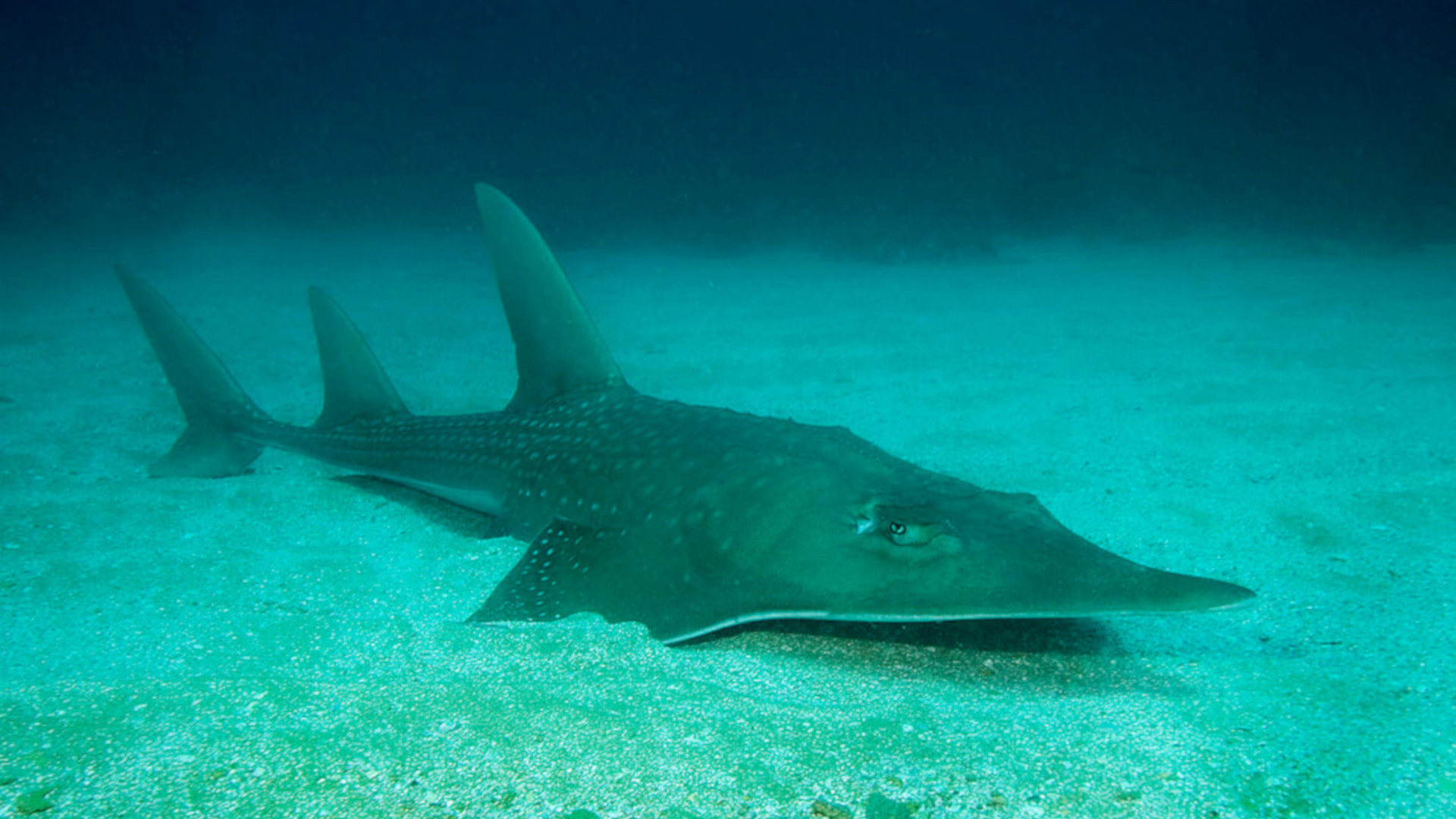
rhino ray
Wildlife

A Chance to Save the ‘Rhinos of the Sea’

Big-nosed giant guitarfishes and wedgefishes are now the most endangered marine fish group. Will the international community step up to protect them from trade and exploitation?
August 15, 2019
by
Dr. David Shiffman
Big-nosed giant guitarfishes and wedgefishes are now the most endangered marine fish group. Will the international community step up to protect them from trade and exploitation?
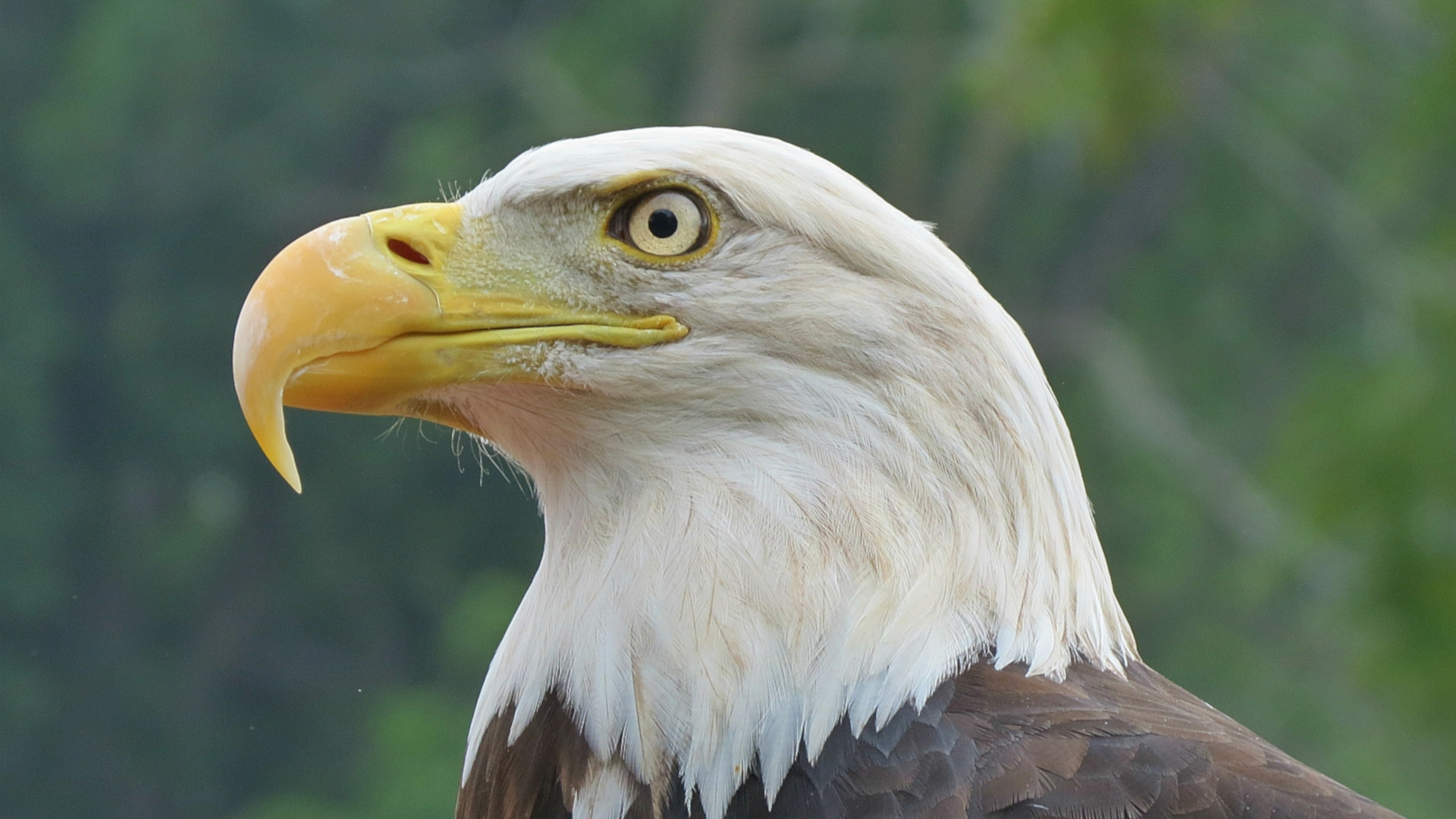
bald eagle
Wildlife

Trump Administration Slashes Endangered Species Act, Worsening Extinction Crisis

Changes to regulations about critical habitat and consideration for economic interests threaten to upend more than 45 years of conservation success. But the worst may still be to come.
August 12, 2019
by
John R. Platt
Changes to regulations about critical habitat and consideration for economic interests threaten to upend more than 45 years of conservation success. But the worst may still be to come.
Spawning lab
Wildlife

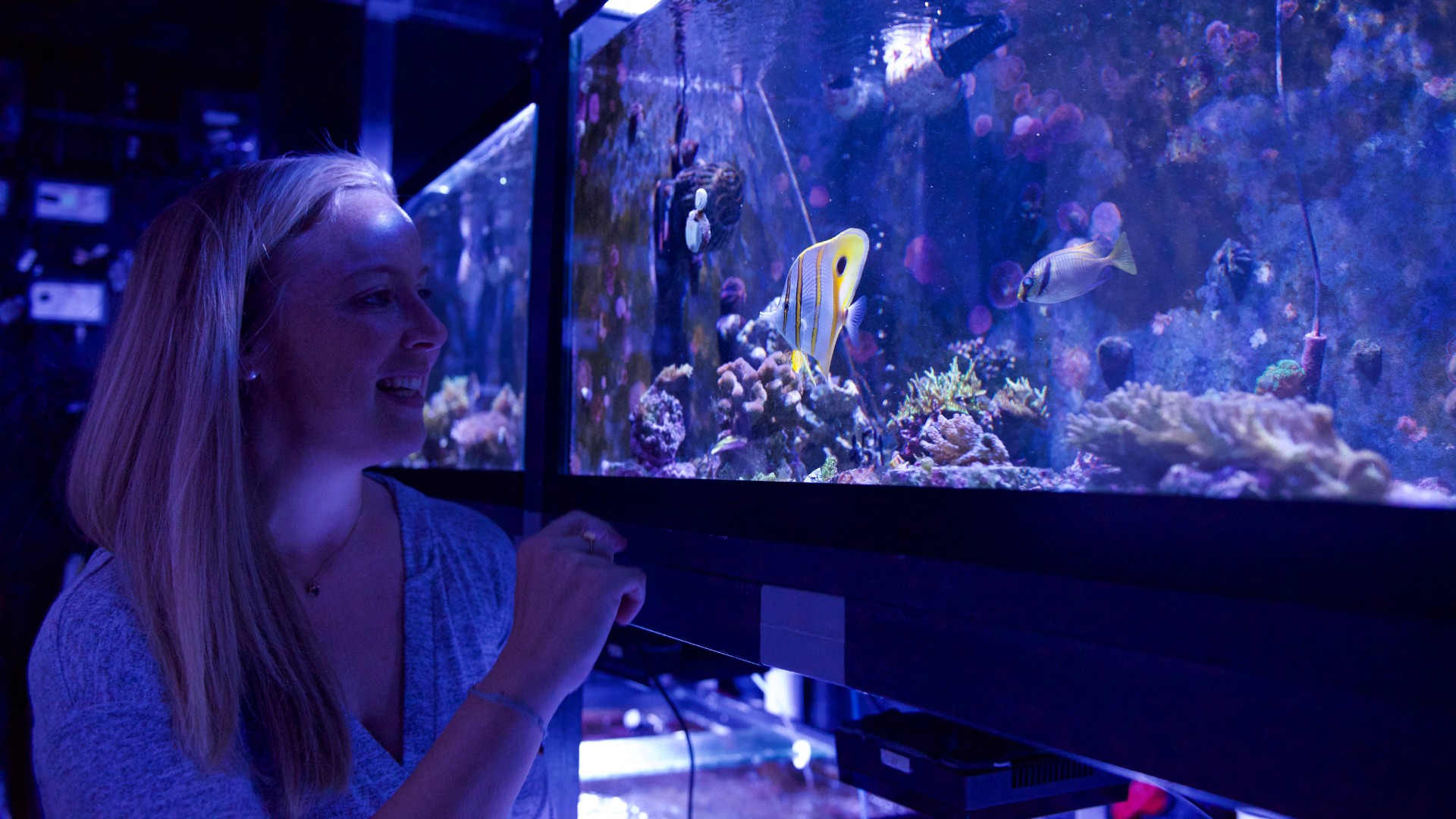
Saving Coral Reefs — with Sex

To keep pace with environmental loss, scientists working to restore tropical reefs have turned their attention to coral reproduction and increasing diversity.
August 12, 2019
by
Tara Lohan
To keep pace with environmental loss, scientists working to restore tropical reefs have turned their attention to coral reproduction and increasing diversity.
monarch butterfly
Wildlife

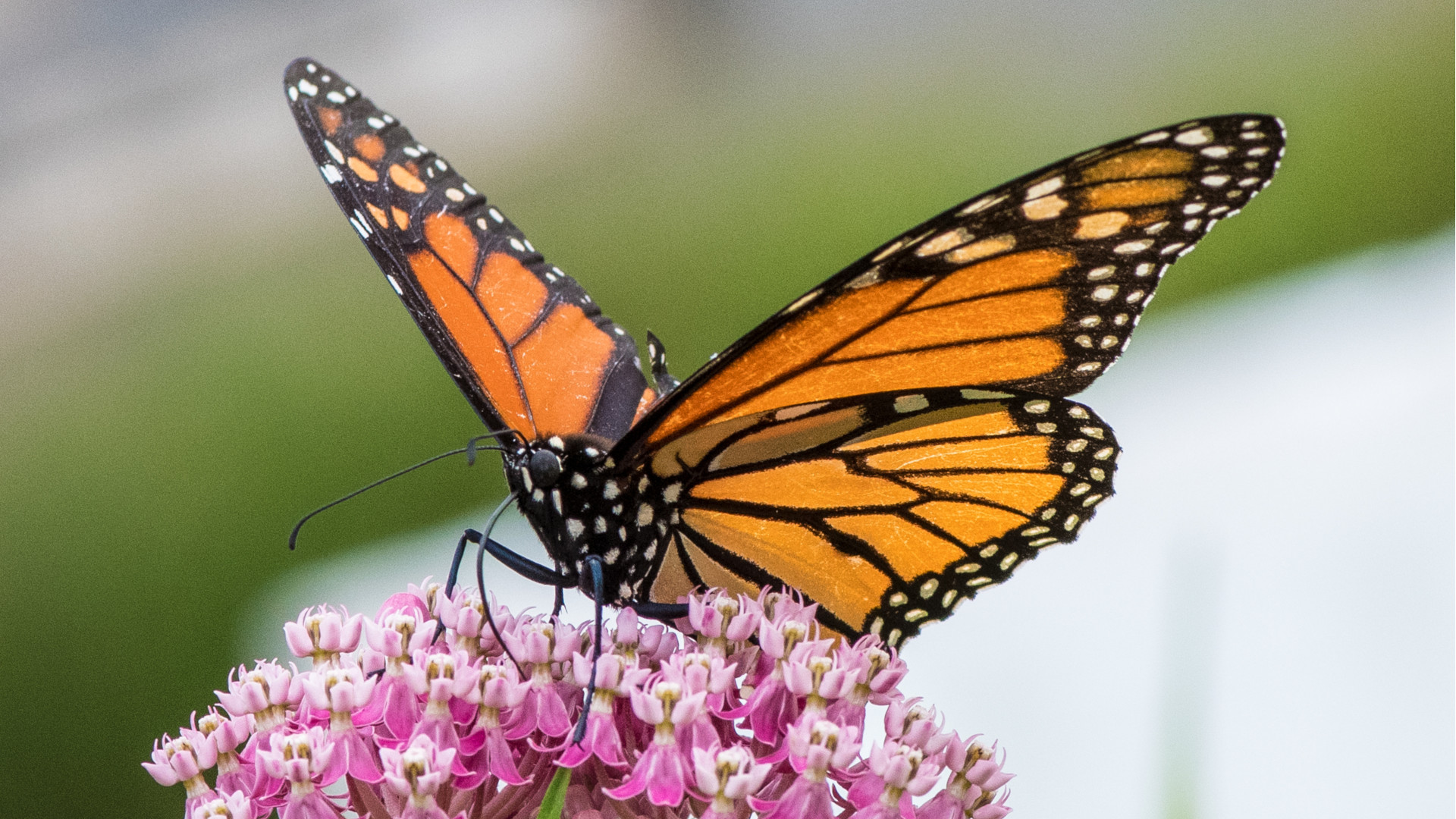
Monarch Mishaps: When Trying to Help Actually Hurts

Releasing captive-bred monarchs doesn’t benefit wild butterflies — in fact, it may make the problem worse.
July 11, 2019
by
John R. Platt and Dipika Kadaba
Releasing captive-bred monarchs doesn’t benefit wild butterflies — in fact, it may make the problem worse.
koala
Wildlife

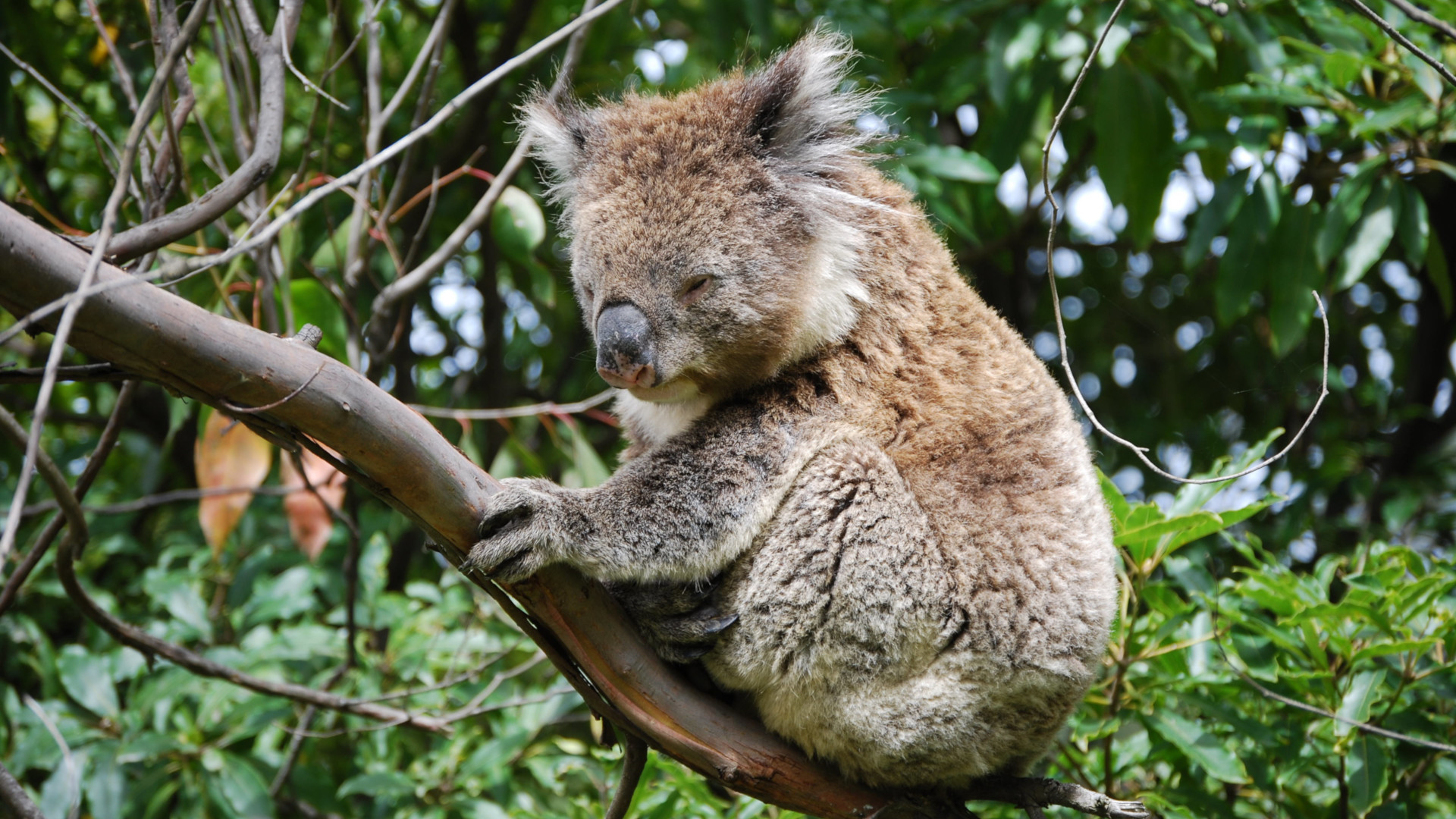
Koalas on the Decline — Dangerous New Threats, Emerging Solutions

The Australian icon could lose its fight against climate change, disease, habitat destruction and cars — but not if dedicated conservationists get the tools they need to protect the species.
July 2, 2019
by
Gloria Dickie
The Australian icon could lose its fight against climate change, disease, habitat destruction and cars — but not if dedicated conservationists get the tools they need to protect the species.
gray whale fluke
Wildlife

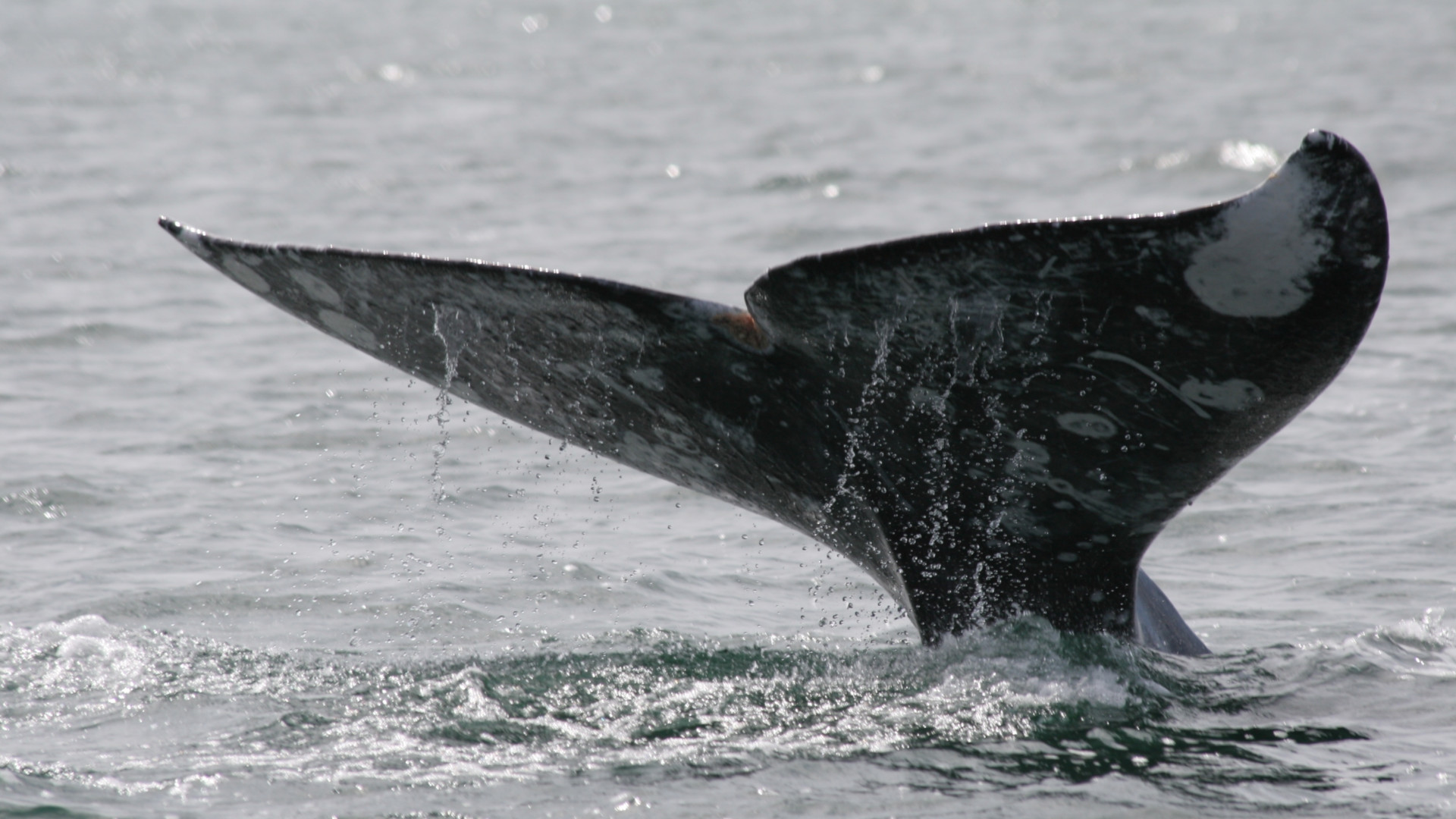
A Gray Whale Washed Ashore in Alaska May Hold Clues to This Year’s Deadly Migration

Many of the gray whales found dead this year have suffered from malnutrition. Researchers are rushing to find the cause.
June 27, 2019
by
Tim Lydon
Many of the gray whales found dead this year have suffered from malnutrition. Researchers are rushing to find the cause.
chimpanzee
Wildlife

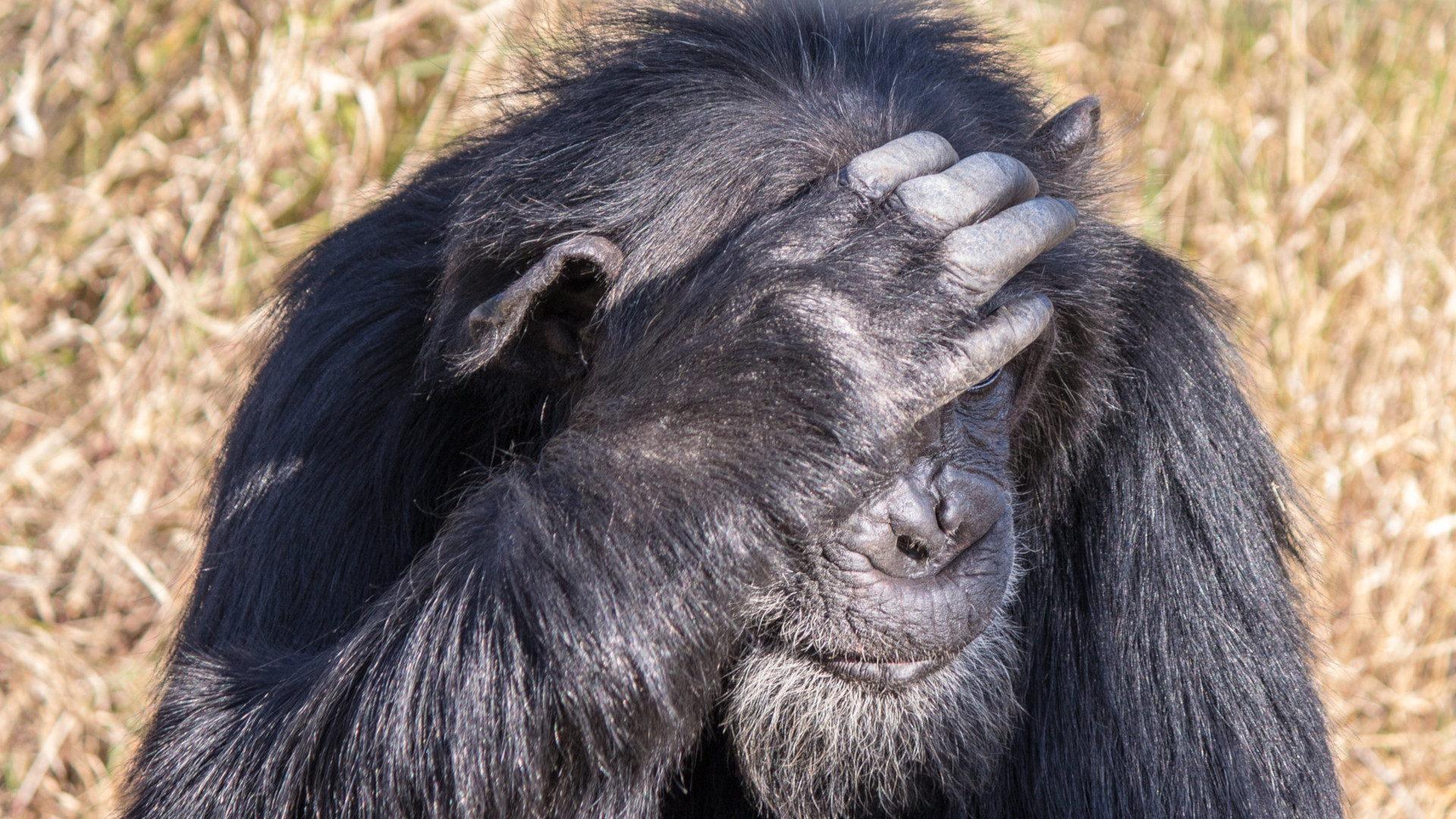
How Social Media Supports Animal Cruelty and the Illegal Pet Trade

Images of chimpanzees and other species appear cute, but they may actually depict animals in dangerous situations. Here’s how to tell what’s safe to share — and how that helps conservation.
June 20, 2019
by
Ashley Edes
Images of chimpanzees and other species appear cute, but they may actually depict animals in dangerous situations. Here’s how to tell what’s safe to share — and how that helps conservation.
El Jefe jaguar
Wildlife

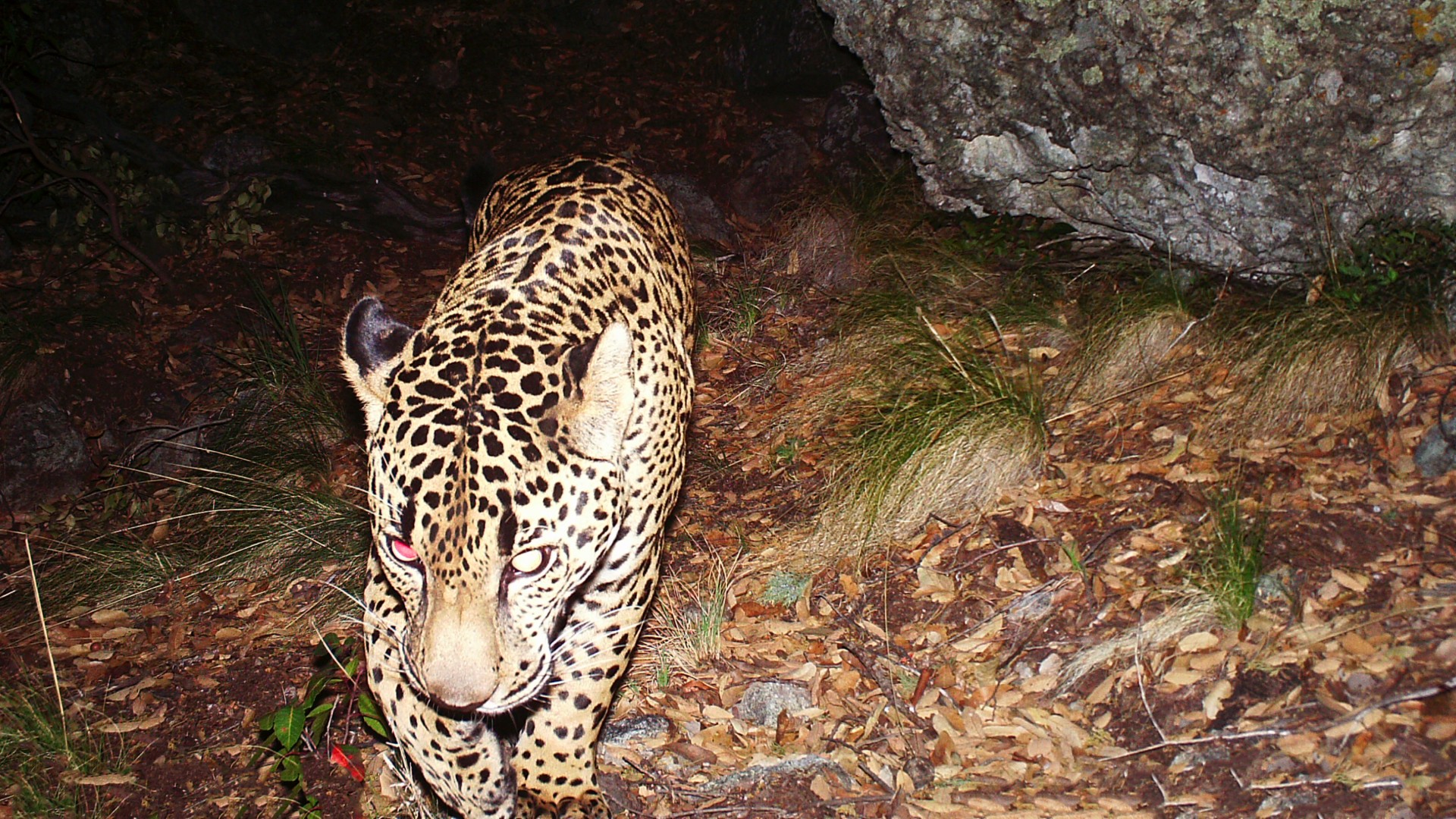
Can Saving Jaguars Sustain Local Economies?

Residents of southern Arizona are protecting jaguar habitat and creating jobs in the hopes that a restoration economy can beat an extraction economy.
June 18, 2019
by
Amy Mathews Amos
Residents of southern Arizona are protecting jaguar habitat and creating jobs in the hopes that a restoration economy can beat an extraction economy.
Fish fence
Wildlife

Fenced in: A Surprising Threat to Coral Fish and Biodiversity

Massive traditional fish traps called fish fences catch hundreds of types of fish — many before they’re old enough to reproduce.
June 17, 2019
by
Dipika Kadaba and John R. Platt
Massive traditional fish traps called fish fences catch hundreds of types of fish — many before they’re old enough to reproduce.
grey reef sharks
Wildlife

How to Protect Sharks From Overfishing

Marine protected areas can benefit sharks and other oceanic species — but only if they’re properly established, according to a new guidebook.
June 6, 2019
by
Dr. David Shiffman
Marine protected areas can benefit sharks and other oceanic species — but only if they’re properly established, according to a new guidebook.

Posts pagination

Previous page Page 1 … Page 15 Page 16 Page 17 … Page 22 Next page

Subscribe to The Revelator’s weekly newsletter.

Environmental Truth & Justice

  • About The Revelator
  • Reprints
  • Privacy Policy

An initiative of the Center for Biological Diversity

Republish this story

Thank you for your interest in republishing this story. You are free to republish it so long as you do the following:

  • When reprinting our content, cite The Revelator as the source, and if republishing online include a link back to the original story. Our preferred language, ideally placed beneath the byline, reads: “This story was originally published by The Revelator.”
  • Include the author’s byline and bio.
  • Do not make any substantial edits or deletions to the story. Changes to headlines, time or location or for editorial style are permitted.
  • More substantial edits, including cuts or additions, are not permitted without prior consultation.
  • Reprinted materials may not be sold or otherwise syndicated or used to solicit donations of any kind. Please don’t put our content behind a paywall. Republication does not imply an endorsement of The Revelator or the Center for Biological Diversity.
  • We like to keep track of who is reprinting our work, so please drop us a line if you republish one of our stories or if you have any questions.
  • This reprint policy does not include photographs or other illustrations, which may be subject to other licenses and may not be republished. You may reprint photos and graphics attributed to The Revelator with proper attribution.