Environmental Truth & Justice

  • News
    • Extinction Countdown
    • Wildlife
    • Climate Change
    • Oceans & Clean Water
    • Pollution & Toxins
    • Public Lands & Protected Spaces
    • Sustainability
    • Investigations
  • Ideas
    • Editorials
    • Commentaries
    • Columns
  • Culture
    • Book Reviews
    • Book Excerpts
    • The Arts
  • About

An initiative of the Center for Biological Diversity

An initiative of the Center for Biological Diversity

Environmental Truth & Justice

Subscribe
  • News
    • Extinction Countdown
    • Wildlife
    • Climate Change
    • Oceans & Clean Water
    • Pollution & Toxins
    • Public Lands & Protected Spaces
    • Sustainability
    • Investigations
  • Ideas
    • Editorials
    • Commentaries
    • Columns
  • Culture
    • Book Reviews
    • Book Excerpts
    • The Arts
  • About
  • News
    • Extinction Countdown
    • Wildlife
    • Climate Change
    • Oceans & Clean Water
    • Pollution & Toxins
    • Public Lands & Protected Spaces
    • Sustainability
    • Investigations
  • Ideas
    • Editorials
    • Commentaries
    • Columns
  • Culture
    • Book Reviews
    • Book Excerpts
    • The Arts
  • About

Endangered Species

White tip sharks
Wildlife

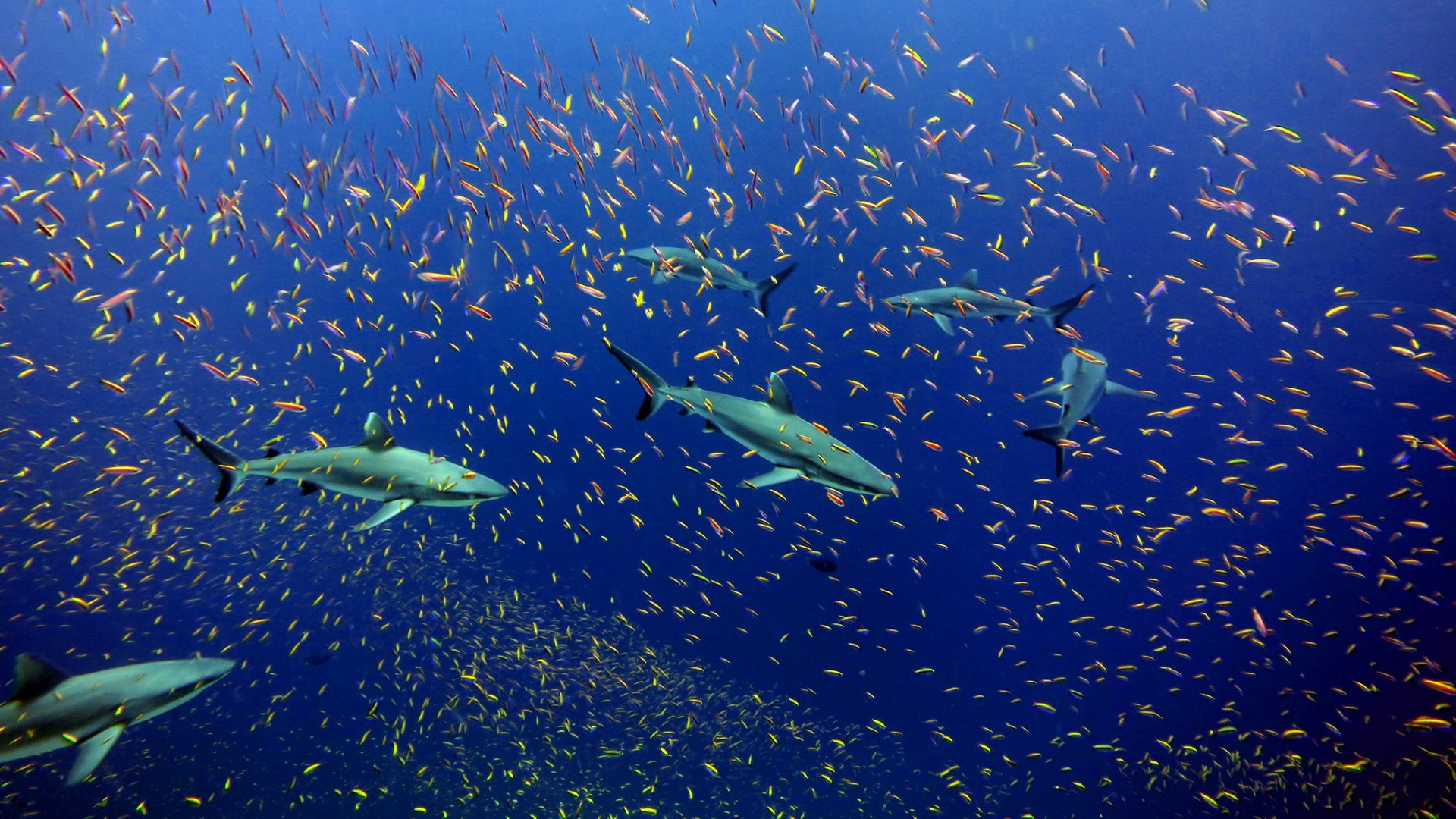
Are We Ready for Shark Conservation to Succeed?

Successful conservation means more sharks, which is great for the health of the ocean but could also be problematic in a few important ways. Here’s how experts say we should prepare.
September 25, 2019
by
Dr. David Shiffman
Successful conservation means more sharks, which is great for the health of the ocean but could also be problematic in a few important ways. Here’s how experts say we should prepare.
Walrus ice floe
Climate Change

Climate Change and Crime: New Pressures for Pacific Walruses and Alaska Native Artists

In warming Alaska, Pacific walruses and Inuit craftsmen find themselves facing new and intersecting threats.
September 19, 2019
by
Katarzyna Nowak
In warming Alaska, Pacific walruses and Inuit craftsmen find themselves facing new and intersecting threats.
grizzly
Wildlife

Grizzly Reintroduction Into the North Cascades: A Question of Political Climate

Will the Trump administration’s recent changes to the implementation of the Endangered Species Act complicate the delicate strategy of grizzly restoration in this remote Washington wilderness?
September 13, 2019
by
Tom Molanphy
Will the Trump administration’s recent changes to the implementation of the Endangered Species Act complicate the delicate strategy of grizzly restoration in this remote Washington wilderness?
bee pollinating flower
Pollution & Toxins

Neonicotinoid Pesticides Have Caused A Huge Surge in the Toxicity of U.S. Agriculture

The most widely used class of insecticides is dangerous for much more than its intended target, new research finds.
September 12, 2019
by
Tara Lohan and Dipika Kadaba
The most widely used class of insecticides is dangerous for much more than its intended target, new research finds.
books
Environmental Books

September’s Best Environmental Books: The Green New Deal, Vanishing Species and Effective Activism

This month brings important new books by Naomi Klein, photographer Joel Sartore, Jonathan Safran Foer and water activist Maude Barlow.
September 5, 2019
by
John R. Platt
This month brings important new books by Naomi Klein, photographer Joel Sartore, Jonathan Safran Foer and water activist Maude Barlow.
small-clawed otters
Voices

Asian Otters: Out of the Water and Into…a Café?

The international community took steps to protect two increasingly rare species this week, providing an important reminder that treating otters as pets harms the iconic animals in the wild.
August 30, 2019
by
Elizabeth L. Bennett
The international community took steps to protect two increasingly rare species this week, providing an important reminder that treating otters as pets harms the iconic animals in the wild.
coyote
Wildlife

The Federal Government’s Cruel War Against Wildlife

USDA’s Wildlife Services often uses “cyanide bombs” to kill animals, but that’s just one of the inhumane weapons in their arsenal.
August 26, 2019
by
John R. Platt
USDA’s Wildlife Services often uses “cyanide bombs” to kill animals, but that’s just one of the inhumane weapons in their arsenal.
Voices

Is Science Failing the World’s Primates?

A look at five years of published studies finds that most primate species and habitats remain understudied. There are ways to fix that.
August 21, 2019
by
Michelle A. Rodrigues
A look at five years of published studies finds that most primate species and habitats remain understudied. There are ways to fix that.
African elephant
Extinction Countdown

Five Things to Watch at This Month’s Big Wildlife Trade Treaty Meeting

New wildlife trade rules being discussed at CITES could affect 550 species, including elephants, rhinos and giraffes.
August 16, 2019
by
John R. Platt
New wildlife trade rules being discussed at CITES could affect 550 species, including elephants, rhinos and giraffes.
rhino ray
Wildlife

A Chance to Save the ‘Rhinos of the Sea’

Big-nosed giant guitarfishes and wedgefishes are now the most endangered marine fish group. Will the international community step up to protect them from trade and exploitation?
August 15, 2019
by
Dr. David Shiffman
Big-nosed giant guitarfishes and wedgefishes are now the most endangered marine fish group. Will the international community step up to protect them from trade and exploitation?

Posts pagination

Previous page Page 1 … Page 41 Page 42 Page 43 … Page 63 Next page

Subscribe to The Revelator’s weekly newsletter.

Environmental Truth & Justice

  • About The Revelator
  • Reprints
  • Privacy Policy

An initiative of the Center for Biological Diversity

Republish this story

Thank you for your interest in republishing this story. You are free to republish it so long as you do the following:

  • When reprinting our content, cite The Revelator as the source, and if republishing online include a link back to the original story. Our preferred language, ideally placed beneath the byline, reads: “This story was originally published by The Revelator.”
  • Include the author’s byline and bio.
  • Do not make any substantial edits or deletions to the story. Changes to headlines, time or location or for editorial style are permitted.
  • More substantial edits, including cuts or additions, are not permitted without prior consultation.
  • Reprinted materials may not be sold or otherwise syndicated or used to solicit donations of any kind. Please don’t put our content behind a paywall. Republication does not imply an endorsement of The Revelator or the Center for Biological Diversity.
  • We like to keep track of who is reprinting our work, so please drop us a line if you republish one of our stories or if you have any questions.
  • This reprint policy does not include photographs or other illustrations, which may be subject to other licenses and may not be republished. You may reprint photos and graphics attributed to The Revelator with proper attribution.