Environmental Truth & Justice

  • News
    • Extinction Countdown
    • Wildlife
    • Climate Change
    • Oceans & Clean Water
    • Pollution & Toxins
    • Public Lands & Protected Spaces
    • Sustainability
    • Investigations
  • Ideas
    • Editorials
    • Commentaries
    • Columns
  • Culture
    • Book Reviews
    • Book Excerpts
    • The Arts
  • About

An initiative of the Center for Biological Diversity

An initiative of the Center for Biological Diversity

Environmental Truth & Justice

Subscribe
  • News
    • Extinction Countdown
    • Wildlife
    • Climate Change
    • Oceans & Clean Water
    • Pollution & Toxins
    • Public Lands & Protected Spaces
    • Sustainability
    • Investigations
  • Ideas
    • Editorials
    • Commentaries
    • Columns
  • Culture
    • Book Reviews
    • Book Excerpts
    • The Arts
  • About
  • News
    • Extinction Countdown
    • Wildlife
    • Climate Change
    • Oceans & Clean Water
    • Pollution & Toxins
    • Public Lands & Protected Spaces
    • Sustainability
    • Investigations
  • Ideas
    • Editorials
    • Commentaries
    • Columns
  • Culture
    • Book Reviews
    • Book Excerpts
    • The Arts
  • About

News

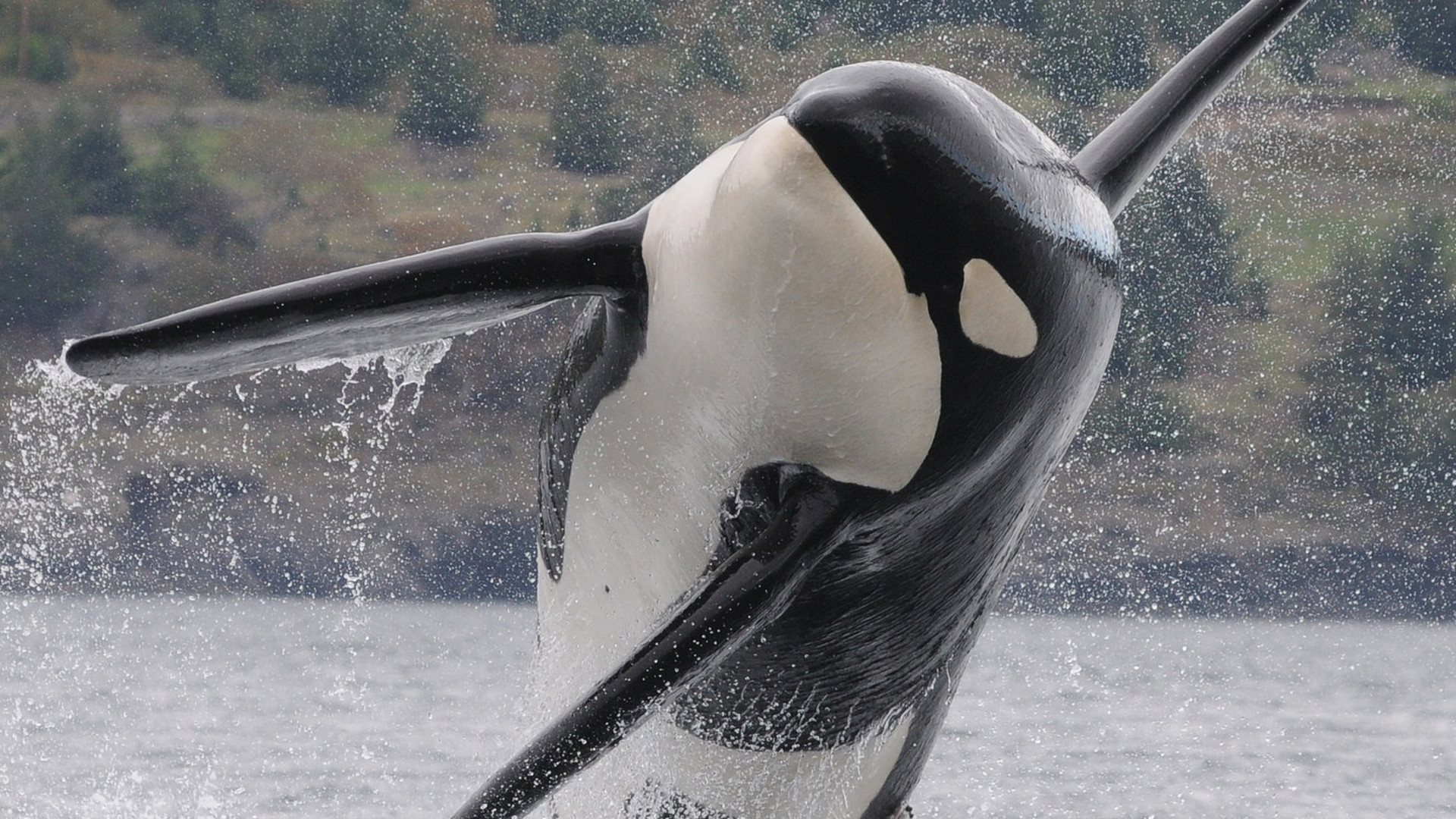
southern resident killer whale
Pollution & Toxins

Killer Whales Face Killer Toxins

Southern Resident killer whales have a shortage of food and an overdose of deadly pollutants.
September 18, 2017
by
Erica Cirino
Southern Resident killer whales have a shortage of food and an overdose of deadly pollutants.
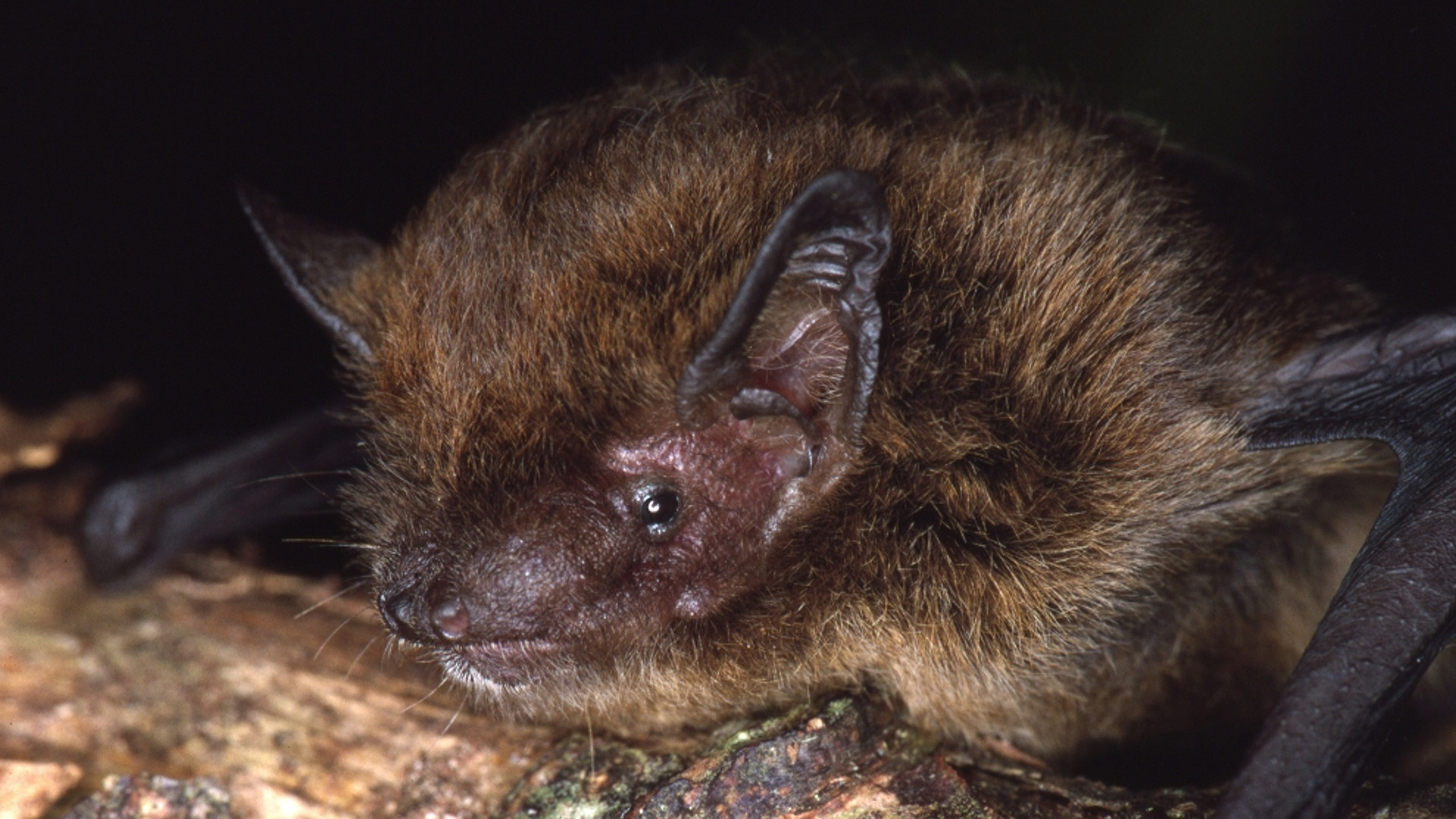
Christmas Island Pipistrelle
Extinction Countdown

Christmas Island Bat, Last Seen in 2009, Confirmed Extinct

Extensive searches for this tiny microbat have failed to locate any survivors. The exact cause of its extinction remains unknown.
September 16, 2017
by
John R. Platt
Extensive searches for this tiny microbat have failed to locate any survivors. The exact cause of its extinction remains unknown.
ozone hole
Climate Change

After 30 Years, the Montreal Protocol Is Paying Ozone Dividends

September 16 marks the anniversary of perhaps the most successful achievement in environmental policy.
September 15, 2017
by
Robert Lawrence
September 16 marks the anniversary of perhaps the most successful achievement in environmental policy.
trump clouds
Climate Change

Life in the Trumpocene

We have to work together to solve climate change and other environmental problems, says author David Biello.
September 12, 2017
by
John R. Platt
We have to work together to solve climate change and other environmental problems, says author David Biello.
Wildlife

The Big Picture: Southern Inhospitality

Mountaintop mining and excrement-filled lagoons threaten the unique biodiversity of the American southeast.
September 11, 2017
by
Dipika Kadaba
Mountaintop mining and excrement-filled lagoons threaten the unique biodiversity of the American southeast.
Woolly mammoth
Extinction Countdown

Digging Deep into De-Extinction

Can extinct species ever truly be brought back to life? More importantly, should they?
September 8, 2017
by
John R. Platt
Can extinct species ever truly be brought back to life? More importantly, should they?
ewaso lions
Wildlife

Living on the Edge With Lions

Ewaso Lions founder Shivani Bhalla aims to help people learn to live with local predators.
September 5, 2017
by
Laurel Neme
Ewaso Lions founder Shivani Bhalla aims to help people learn to live with local predators.
environmental books
Sustainability

Revelator Reads: 8 New Environmental Books for September

This month brings new books about elephants, energy and an all-too-real mythic figure.
September 1, 2017
by
John R. Platt
This month brings new books about elephants, energy and an all-too-real mythic figure.
mexican free-tailed bats
Wildlife

The Bats, the Bridge and Hurricane Harvey

Rescuers turn out for Houston’s famous Waugh Bridge bat colony.
August 31, 2017
by
John R. Platt
Rescuers turn out for Houston’s famous Waugh Bridge bat colony.
Wildlife

To Restore Salmon, Think Like a Beaver

Manmade “dam analogues” could help beavers recolonize former habitats — and help fish in the process.
August 30, 2017
by
Enrique Gili
Manmade “dam analogues” could help beavers recolonize former habitats — and help fish in the process.

Posts pagination

Previous page Page 1 … Page 69 Page 70 Page 71 … Page 77 Next page

Subscribe to The Revelator’s weekly newsletter.

Environmental Truth & Justice

  • About The Revelator
  • Reprints
  • Privacy Policy

An initiative of the Center for Biological Diversity

Republish this story

Thank you for your interest in republishing this story. You are free to republish it so long as you do the following:

  • When reprinting our content, cite The Revelator as the source, and if republishing online include a link back to the original story. Our preferred language, ideally placed beneath the byline, reads: “This story was originally published by The Revelator.”
  • Include the author’s byline and bio.
  • Do not make any substantial edits or deletions to the story. Changes to headlines, time or location or for editorial style are permitted.
  • More substantial edits, including cuts or additions, are not permitted without prior consultation.
  • Reprinted materials may not be sold or otherwise syndicated or used to solicit donations of any kind. Please don’t put our content behind a paywall. Republication does not imply an endorsement of The Revelator or the Center for Biological Diversity.
  • We like to keep track of who is reprinting our work, so please drop us a line if you republish one of our stories or if you have any questions.
  • This reprint policy does not include photographs or other illustrations, which may be subject to other licenses and may not be republished. You may reprint photos and graphics attributed to The Revelator with proper attribution.