Environmental Truth & Justice

  • News
    • Extinction Countdown
    • Wildlife
    • Climate Change
    • Oceans & Clean Water
    • Pollution & Toxins
    • Public Lands & Protected Spaces
    • Sustainability
    • Investigations
  • Ideas
    • Editorials
    • Commentaries
    • Columns
  • Culture
    • Book Reviews
    • Book Excerpts
    • The Arts
  • About

An initiative of the Center for Biological Diversity

An initiative of the Center for Biological Diversity

Environmental Truth & Justice

Subscribe
  • News
    • Extinction Countdown
    • Wildlife
    • Climate Change
    • Oceans & Clean Water
    • Pollution & Toxins
    • Public Lands & Protected Spaces
    • Sustainability
    • Investigations
  • Ideas
    • Editorials
    • Commentaries
    • Columns
  • Culture
    • Book Reviews
    • Book Excerpts
    • The Arts
  • About
  • News
    • Extinction Countdown
    • Wildlife
    • Climate Change
    • Oceans & Clean Water
    • Pollution & Toxins
    • Public Lands & Protected Spaces
    • Sustainability
    • Investigations
  • Ideas
    • Editorials
    • Commentaries
    • Columns
  • Culture
    • Book Reviews
    • Book Excerpts
    • The Arts
  • About

Fossil Fuels

Archipelago of Hope
Climate Change

How the World’s Oldest Wisdom Is Informing Modern Responses to Climate Change

Scientist Gleb Raygorodetsky explores the millennia-old relationships between indigenous communities and their local ecosystems, and how they can help us adapt to an uncertain future.
November 8, 2017
by
Emily Gertz
Scientist Gleb Raygorodetsky explores the millennia-old relationships between indigenous communities and their local ecosystems, and how they can help us adapt to an uncertain future.
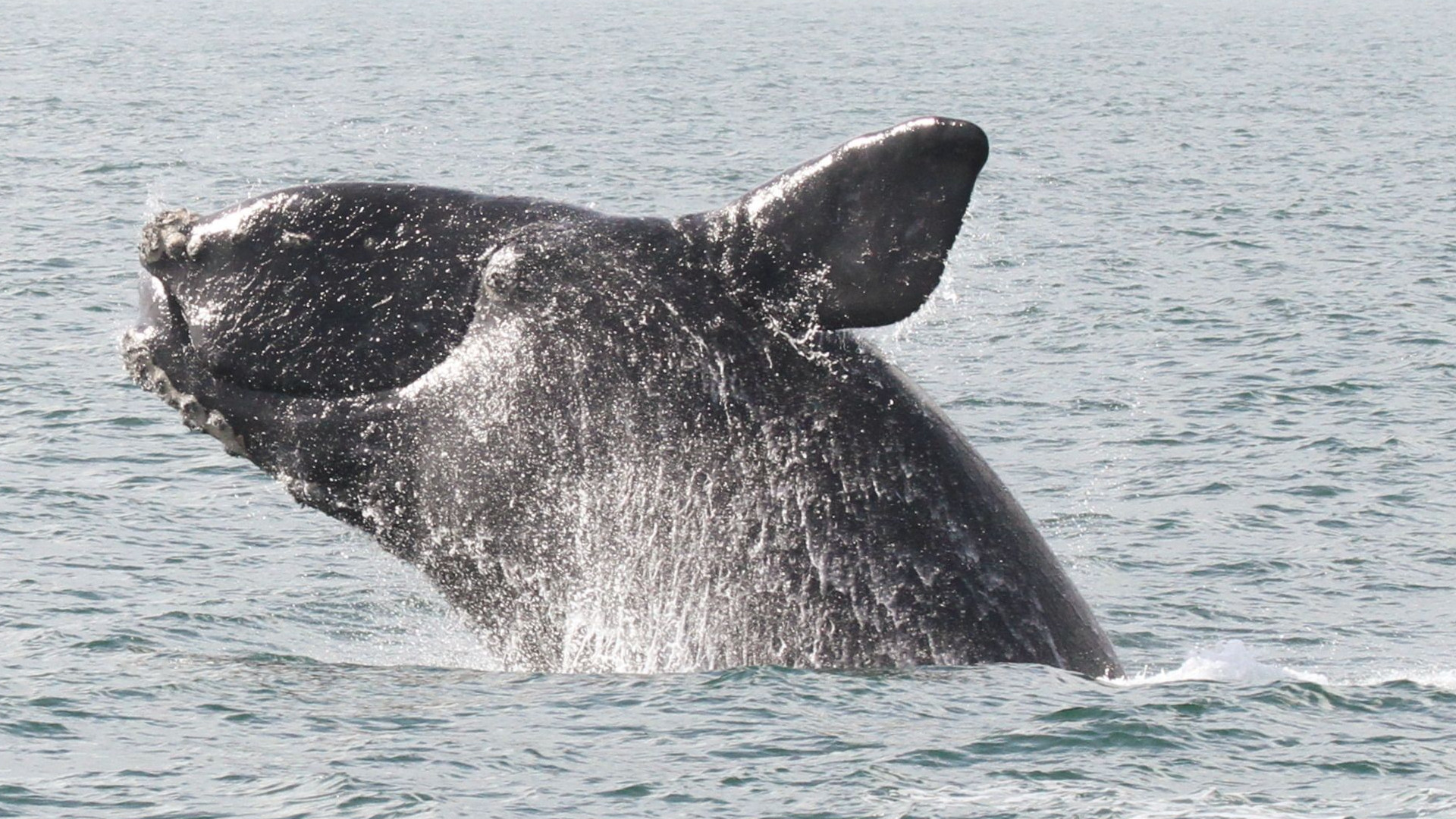
North Atlantic right whale
Investigations

Trump’s America First Energy Plan Puts Foreign Companies First, Marine Species Last

Oil surveys in the Atlantic Ocean could harm marine life without benefiting the US economy.
September 28, 2017
by
John Dougherty
Oil surveys in the Atlantic Ocean could harm marine life without benefiting the US economy.
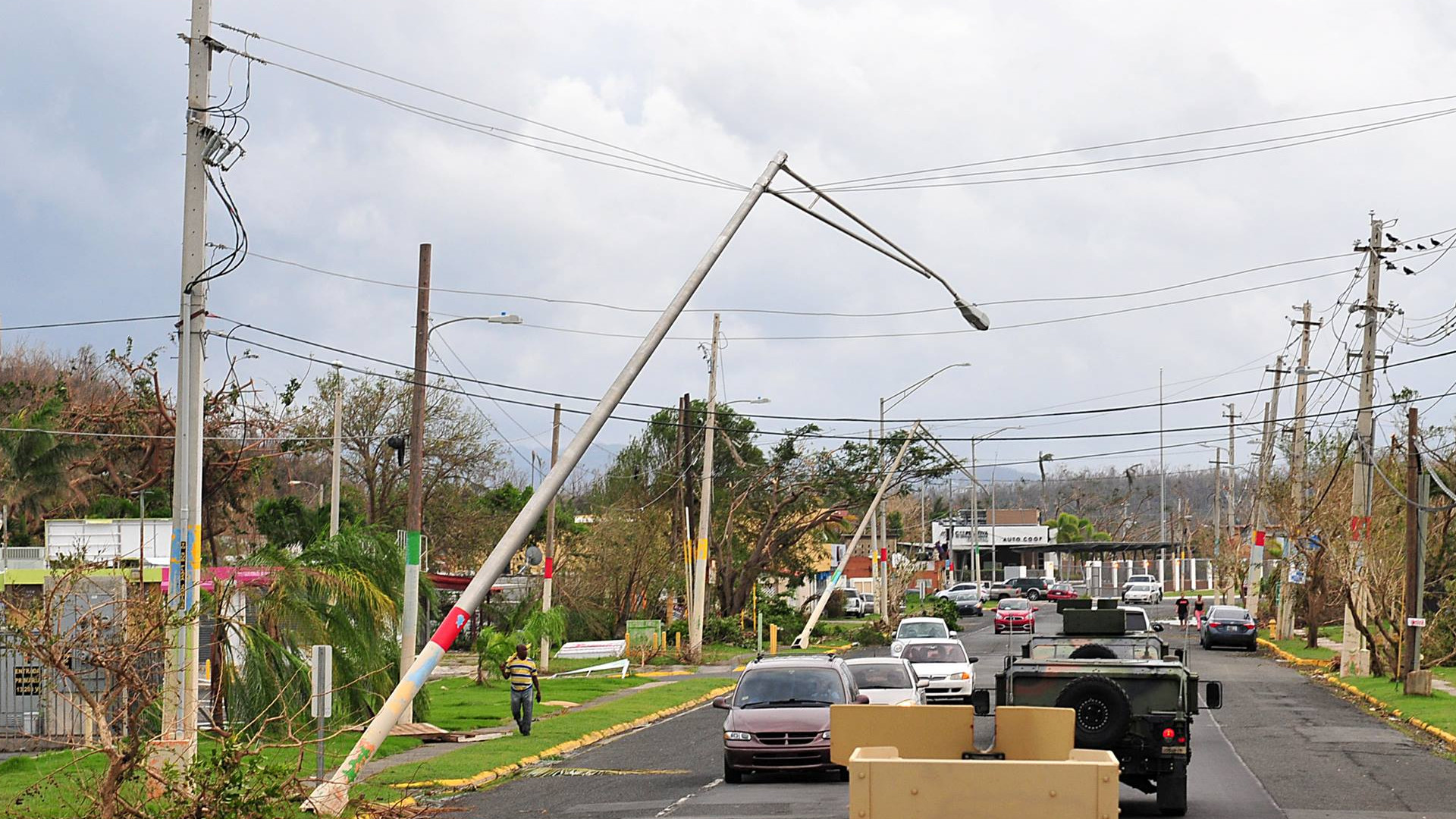
Puerto Rico electrcity
Commentaries

Rebuilding Puerto Rico’s Devastated Electricity System

Chronic neglect of energy infrastructure increases vulnerability to extreme weather.
September 27, 2017
by
Juan Declet-Barreto
Chronic neglect of energy infrastructure increases vulnerability to extreme weather.
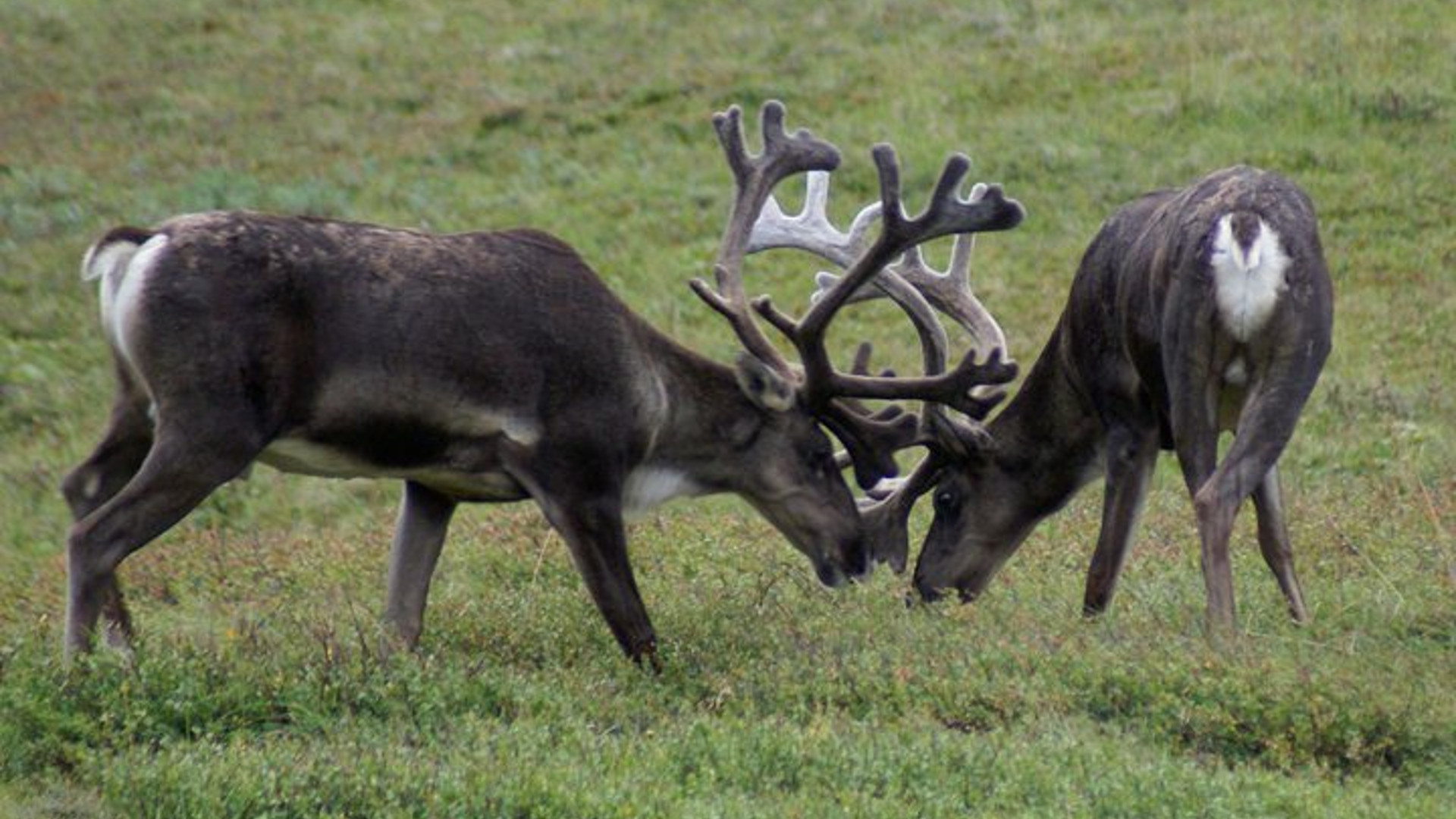
Arctic biodiversity
Public Lands & Protected Spaces

Big Oil Could Threaten Biodiversity in Arctic National Wildlife Refuge

Drilling would also harm the cultural and religious core of the Gwich’in people.
August 2, 2017
by
Francis Flisiuk
Drilling would also harm the cultural and religious core of the Gwich’in people.
The Dose

Oil Sands Becoming Old News?

Fossil fuel development companies have abandoned their leases on more than 1 million hectares of oil sands in northern Alberta. The areas have become less desirable (and less profitable) following the worldwide plunge in crude oil prices. Even the infamous Keystone XL pipeline — which President Trump approved almost as soon as he took office — now seems to lack the necessary support for its construction. What could replace it? Oh, maybe a little thing called solar power. 
July 31, 2017
by
John R. Platt
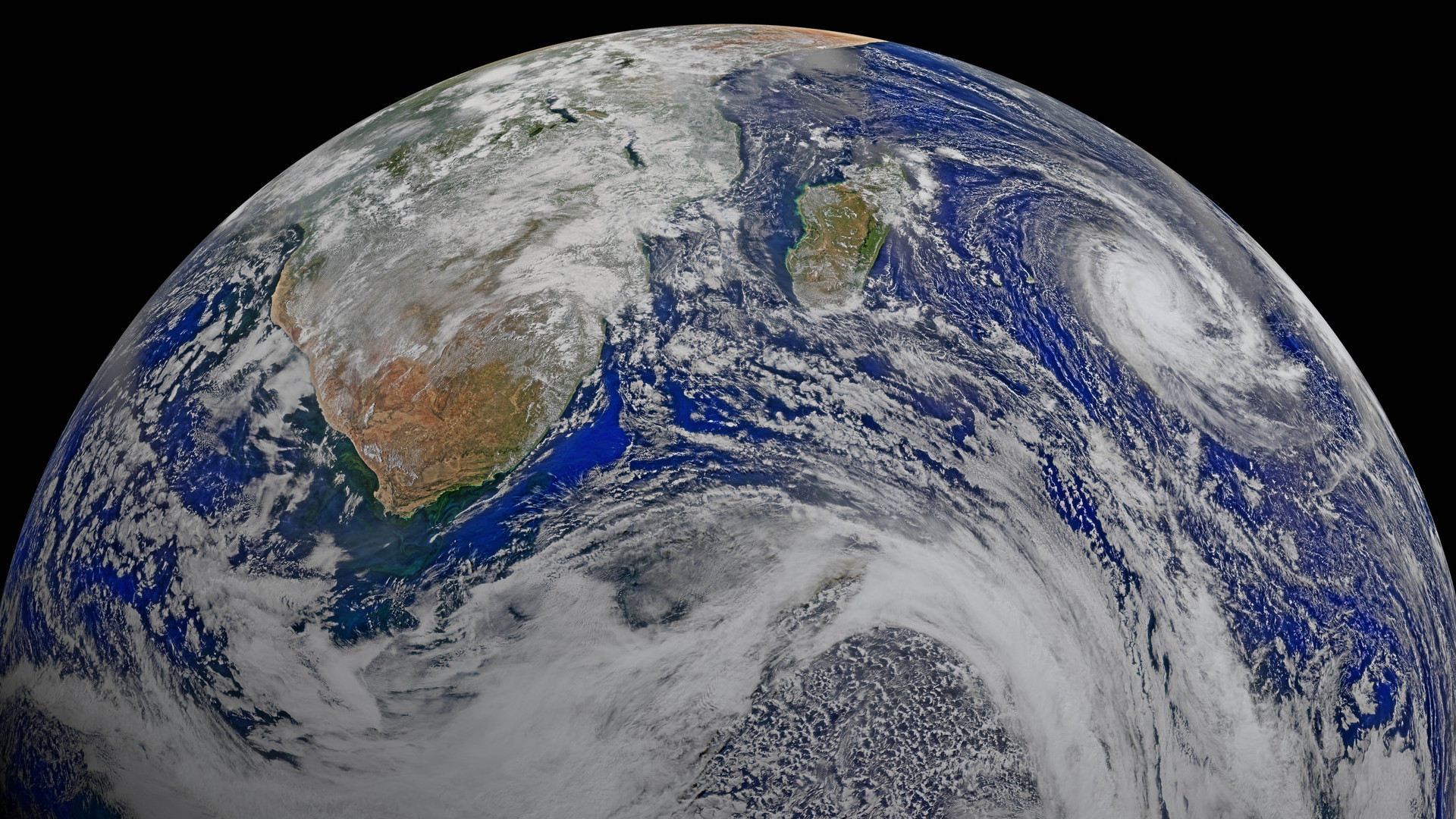
earth overshoot
Sustainability

Earth Overshoot Day: An Opportunity for Change

We’ll use 1.7 Earths’ worth of resources this year. Can six pledges make a difference?
July 31, 2017
by
John R. Platt
We’ll use 1.7 Earths’ worth of resources this year. Can six pledges make a difference?
The Dose

Now the UK is Banning Gas-Powered Cars

Just two weeks after France said it will no longer allow the sale of gas- and diesel-powered autos after 2040, the United Kingdom has followed suit. In addition, the UK announced it is also exploring ways to tax the dirtiest vehicles on the road as a way to lower current air pollution levels in the most-affected local areas. About half of all cars registered in the UK each year are diesel-powered; electric and hybrid vehicles, although a growing market, still represent a tiny fraction of all new cars sold there. Experts predict that should start to shift in the mid-2020s as prices become more competitive. 
July 27, 2017
by
John R. Platt
The Dose

Utilities Knew About Climate Change in 1968

A stunning new report reveals that utilities knew about the potential dangers of climate change nearly 50 years ago. Scientists first warned the electric utility industry about CO2 emissions back in 1968, according to a report from the watchdog Energy & Policy Institute. Then, during the 1970s and 1980s, utilities actually sponsored what the watchdog agency calls “cutting edge” climate-change research. Knowing that this could cause a shift away from fossil fuels, some utilities started a disinformation campaign against climate change, something that some industry players continue to do today. 
July 25, 2017
by
John R. Platt
The Dose

France Bans Gas-Powered Autos

In a move to help the country meet its Paris Accord climate goals, France announced this week that it will ban the sale of gas- and diesel-powered automobiles by 2040. That will be a big shift, as only 1.1 percent of new cars sold in France are currently pure electric vehicles. Even with the pending ban it will still take a long time to get older cars off the road: French consumers currently keep their gas-powered cars running for an average of 8.5 years, well below the 11.6 years in the United States. 
July 7, 2017
by
John R. Platt
lobsters
Climate Change

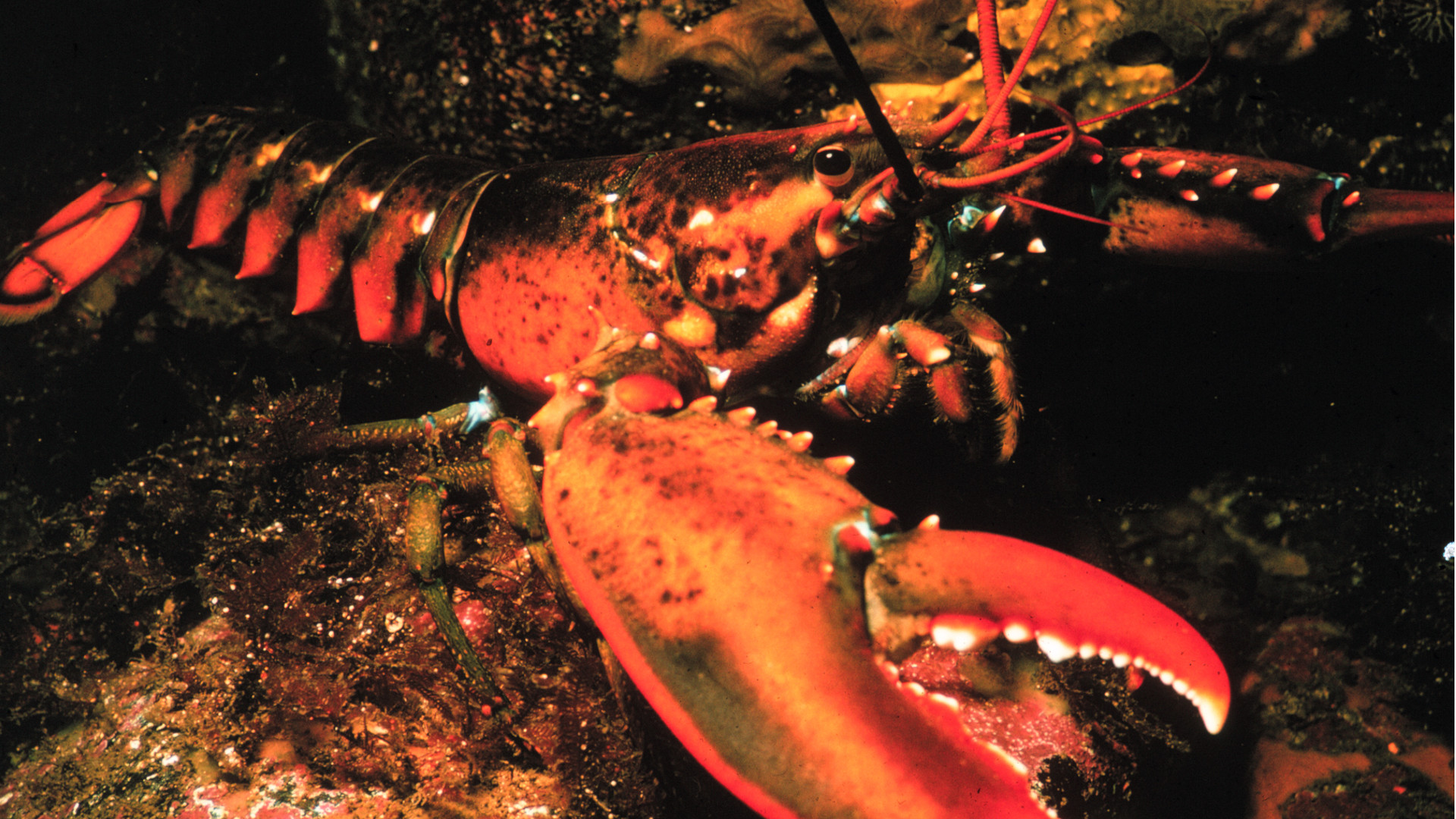
Lobsters in Hot Water: Climate Change Threatens Maine’s Most Valuable Fishery

Warming waters are already having a chilling effect on the state’s lobster industry.
June 21, 2017
by
Francis Flisiuk
Warming waters are already having a chilling effect on the state’s lobster industry.

Posts pagination

Previous page Page 1 … Page 14 Page 15 Page 16 Next page

Subscribe to The Revelator’s weekly newsletter.

Environmental Truth & Justice

  • About The Revelator
  • Reprints
  • Privacy Policy

An initiative of the Center for Biological Diversity

Republish this story

Thank you for your interest in republishing this story. You are free to republish it so long as you do the following:

  • When reprinting our content, cite The Revelator as the source, and if republishing online include a link back to the original story. Our preferred language, ideally placed beneath the byline, reads: “This story was originally published by The Revelator.”
  • Include the author’s byline and bio.
  • Do not make any substantial edits or deletions to the story. Changes to headlines, time or location or for editorial style are permitted.
  • More substantial edits, including cuts or additions, are not permitted without prior consultation.
  • Reprinted materials may not be sold or otherwise syndicated or used to solicit donations of any kind. Please don’t put our content behind a paywall. Republication does not imply an endorsement of The Revelator or the Center for Biological Diversity.
  • We like to keep track of who is reprinting our work, so please drop us a line if you republish one of our stories or if you have any questions.
  • This reprint policy does not include photographs or other illustrations, which may be subject to other licenses and may not be republished. You may reprint photos and graphics attributed to The Revelator with proper attribution.