Environmental Truth & Justice

  • News
    • Extinction Countdown
    • Wildlife
    • Climate Change
    • Oceans & Clean Water
    • Pollution & Toxins
    • Public Lands & Protected Spaces
    • Sustainability
    • Investigations
  • Ideas
    • Editorials
    • Commentaries
    • Columns
  • Culture
    • Book Reviews
    • Book Excerpts
    • The Arts
  • About

An initiative of the Center for Biological Diversity

An initiative of the Center for Biological Diversity

Environmental Truth & Justice

Subscribe
  • News
    • Extinction Countdown
    • Wildlife
    • Climate Change
    • Oceans & Clean Water
    • Pollution & Toxins
    • Public Lands & Protected Spaces
    • Sustainability
    • Investigations
  • Ideas
    • Editorials
    • Commentaries
    • Columns
  • Culture
    • Book Reviews
    • Book Excerpts
    • The Arts
  • About
  • News
    • Extinction Countdown
    • Wildlife
    • Climate Change
    • Oceans & Clean Water
    • Pollution & Toxins
    • Public Lands & Protected Spaces
    • Sustainability
    • Investigations
  • Ideas
    • Editorials
    • Commentaries
    • Columns
  • Culture
    • Book Reviews
    • Book Excerpts
    • The Arts
  • About

Conservation

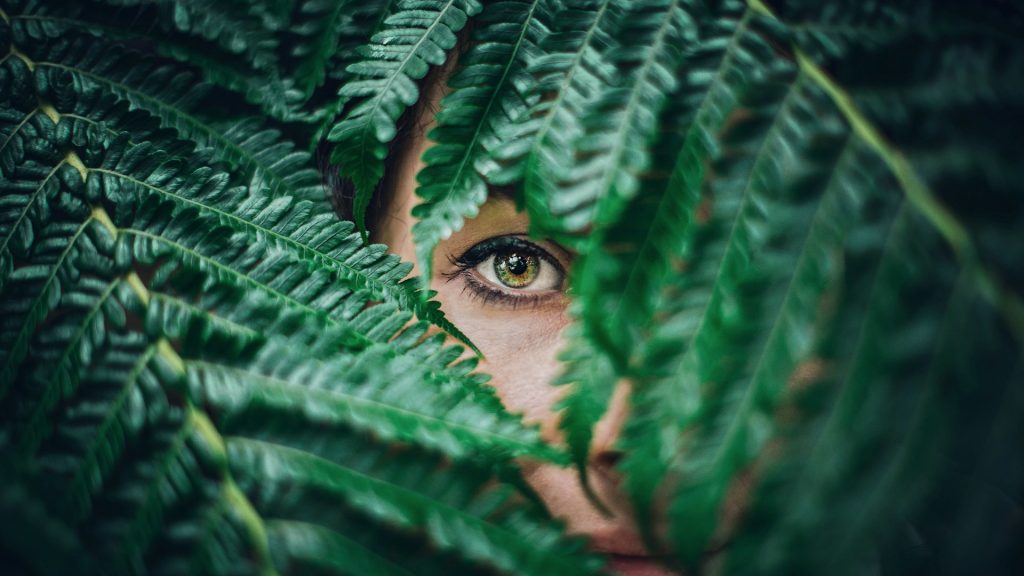
A woman's eyes amidst leaves
Wildlife

All the Plants We Cannot See

Our culture has moved away from a fascination with the greenery around us. Experts warn that “plant blindness” could come with a cost.
October 17, 2024
by
Karen Mockler
Our culture has moved away from a fascination with the greenery around us. Experts warn that “plant blindness” could come with a cost.
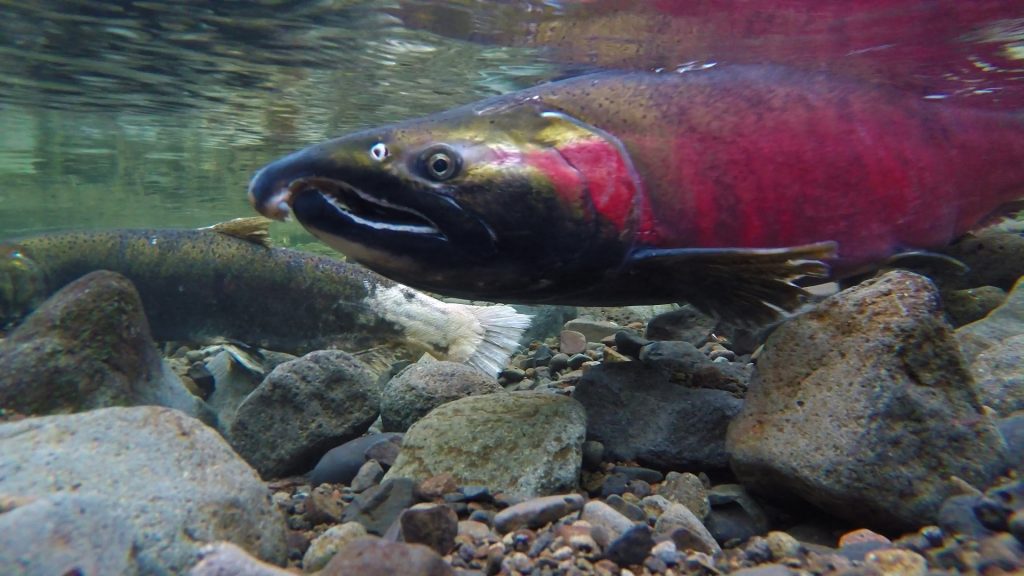
A Chinook salmon swims in shallow water above a rocky river bottom
Commentaries

Why Indigenous-Led Management Is Integral to Reconciliation and Restoration Efforts

Western science structures are embedded in a deeply rooted settler-colonial mindset. Indigenous traditional knowledge has the potential to overturn western systems destined for doom.
October 15, 2024
by
Jillian Everly
Western science structures are embedded in a deeply rooted settler-colonial mindset. Indigenous traditional knowledge has the potential to overturn western systems destined for doom.
Book Excerpts

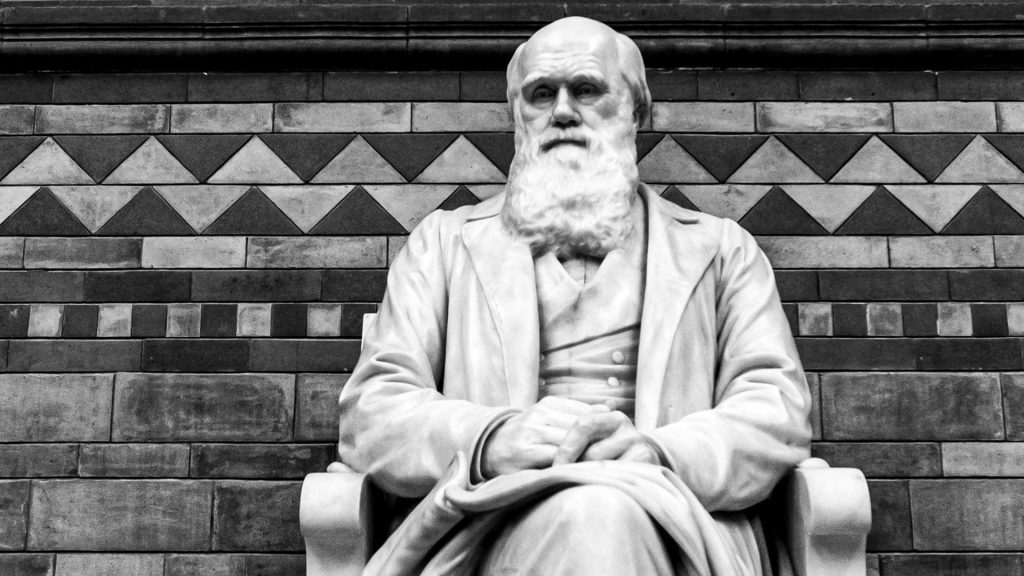
Darwin the Storyteller

Darwin’s writings show that stories are central to ecology — and that appreciating nature as a portfolio of wondrous, pristine places is an obstacle to ecological literacy.
October 11, 2024
by
John MacNeill Miller
Darwin’s writings show that stories are central to ecology — and that appreciating nature as a portfolio of wondrous, pristine places is an obstacle to ecological literacy.
News

‘Three Rivers of Woe’ — David Quammen on Climate Change, Extinction, and Epidemics

Journalists and activists should focus on these three linked problems, says the acclaimed author, who also encourages us to talk about hope.
October 4, 2024
by
John R. Platt
Journalists and activists should focus on these three linked problems, says the acclaimed author, who also encourages us to talk about hope.
A lion cub stands on a sandy background
Extinction Countdown

This Month in Conservation Science: The Eagles Who Ate the Lions

…and other interesting new research that crossed our paths in the past few weeks, including a look at ecotourism land grabs.
September 27, 2024
by
John R. Platt
…and other interesting new research that crossed our paths in the past few weeks, including a look at ecotourism land grabs.
A Tasmanian devil stands on a log with out-of-focus greenery behind
Voices

Speak of the Devils: The Animals We Fear the Most Are Fading Away

Names matter. When we fear something, it becomes psychologically easier to withhold empathy for it or, worse, kill it. Nobody feels sorry for the devil.
September 18, 2024
by
John Yunker
Names matter. When we fear something, it becomes psychologically easier to withhold empathy for it or, worse, kill it. Nobody feels sorry for the devil.
A tattered Zimbabe flag in black and white
Climate Change

Anthrax in Zimbabwe: Caused by Oppression, Worsened by Climate Change

First used as a bioweapon four decades ago, anthrax outbreaks continue to worsen as the country gets warmer and wetter.
September 16, 2024
by
Andrew Mambondiyani
First used as a bioweapon four decades ago, anthrax outbreaks continue to worsen as the country gets warmer and wetter.
A herd of wood bison at the Yukon Wildlife Preserve.
The Ask

How Concerned Neighbors Kept a Conservation Dream Alive

Started by one of Yukon’s most colorful characters in the 1960s, the Yukon Wildlife Preserve still helps rehabilitate injured animals and sends a message about living with wildlife.
September 13, 2024
by
Molly McCluskey
Started by one of Yukon’s most colorful characters in the 1960s, the Yukon Wildlife Preserve still helps rehabilitate injured animals and sends a message about living with wildlife.
Commentaries

No Wave Is Insurmountable

The problems facing the ocean sometimes feel overwhelming. But like surfers we can look for the perfect wave — and ride it to protect these vital ecosystems.
September 6, 2024
by
Ryan Jenkinson, Ph.D.
The problems facing the ocean sometimes feel overwhelming. But like surfers we can look for the perfect wave — and ride it to protect these vital ecosystems.
A tiny orange bat nestles under a green leaf
Voices

Species Spotlight: Going to Bat for Painted Woolly Bats

“Collectors” threaten these tiny bats, whose big ears can’t protect them from the humans loving them to death.
September 5, 2024
by
Joanna L. Coleman and Chris R. Shepherd
“Collectors” threaten these tiny bats, whose big ears can’t protect them from the humans loving them to death.

Posts pagination

Previous page Page 1 … Page 14 Page 15 Page 16 … Page 75 Next page

Subscribe to The Revelator’s weekly newsletter.

Environmental Truth & Justice

  • About The Revelator
  • Reprints
  • Privacy Policy

An initiative of the Center for Biological Diversity

Republish this story

Thank you for your interest in republishing this story. You are free to republish it so long as you do the following:

  • When reprinting our content, cite The Revelator as the source, and if republishing online include a link back to the original story. Our preferred language, ideally placed beneath the byline, reads: “This story was originally published by The Revelator.”
  • Include the author’s byline and bio.
  • Do not make any substantial edits or deletions to the story. Changes to headlines, time or location or for editorial style are permitted.
  • More substantial edits, including cuts or additions, are not permitted without prior consultation.
  • Reprinted materials may not be sold or otherwise syndicated or used to solicit donations of any kind. Please don’t put our content behind a paywall. Republication does not imply an endorsement of The Revelator or the Center for Biological Diversity.
  • We like to keep track of who is reprinting our work, so please drop us a line if you republish one of our stories or if you have any questions.
  • This reprint policy does not include photographs or other illustrations, which may be subject to other licenses and may not be republished. You may reprint photos and graphics attributed to The Revelator with proper attribution.