Environmental Truth & Justice

  • News
    • Extinction Countdown
    • Wildlife
    • Climate Change
    • Oceans & Clean Water
    • Pollution & Toxins
    • Public Lands & Protected Spaces
    • Sustainability
    • Investigations
  • Ideas
    • Editorials
    • Commentaries
    • Columns
  • Culture
    • Book Reviews
    • Book Excerpts
    • The Arts
  • About

An initiative of the Center for Biological Diversity

An initiative of the Center for Biological Diversity

Environmental Truth & Justice

Subscribe
  • News
    • Extinction Countdown
    • Wildlife
    • Climate Change
    • Oceans & Clean Water
    • Pollution & Toxins
    • Public Lands & Protected Spaces
    • Sustainability
    • Investigations
  • Ideas
    • Editorials
    • Commentaries
    • Columns
  • Culture
    • Book Reviews
    • Book Excerpts
    • The Arts
  • About
  • News
    • Extinction Countdown
    • Wildlife
    • Climate Change
    • Oceans & Clean Water
    • Pollution & Toxins
    • Public Lands & Protected Spaces
    • Sustainability
    • Investigations
  • Ideas
    • Editorials
    • Commentaries
    • Columns
  • Culture
    • Book Reviews
    • Book Excerpts
    • The Arts
  • About

David Lindenmayer

David Lindenmayer, Australian National University, is a world-leading expert in forest ecology and conservation biology with 1,001 peer-reviewed papers and 50 books. For more than 43 years, he has overseen large-scale, long-term research projects in southeastern Australia’s globally significant forests.
Commentaries

Busting Through the Hype and Politics of Forest Thinning

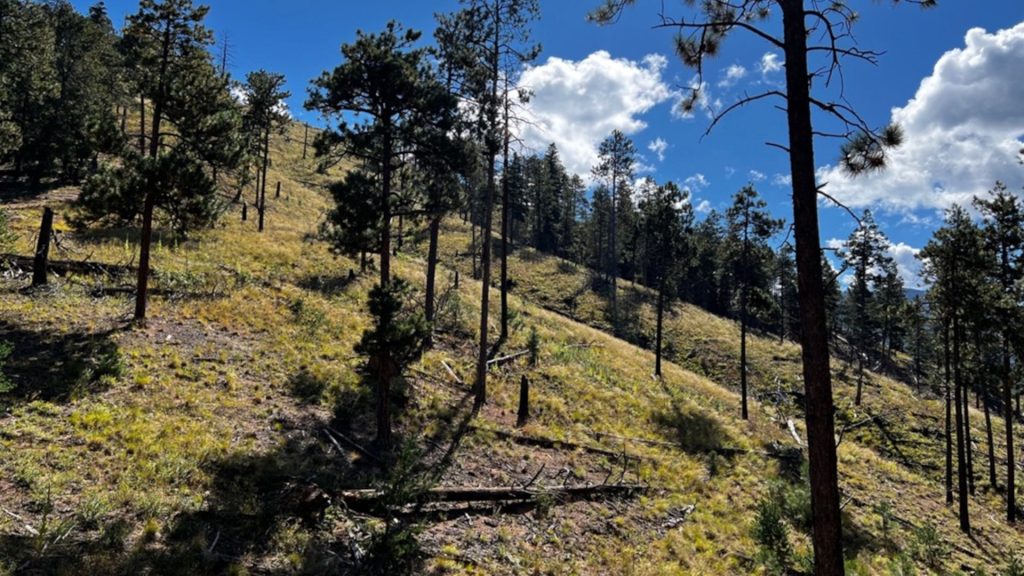
Forest managers conduct hundreds of thousands of acres of forest “thinning” projects annually in the U.S., Canada, Australia, and elsewhere, resulting in substantial ecological and financial costs.
February 25, 2026
by
Dominick A. DellaSala, Ph.D. and David Lindenmayer
Forest managers conduct hundreds of thousands of acres of forest “thinning” projects annually in the U.S., Canada, Australia, and elsewhere, resulting in substantial ecological and financial costs.
Commentaries

‘Active Management’ Harms Forests — And It’s About to Get a Whole Lot Worse

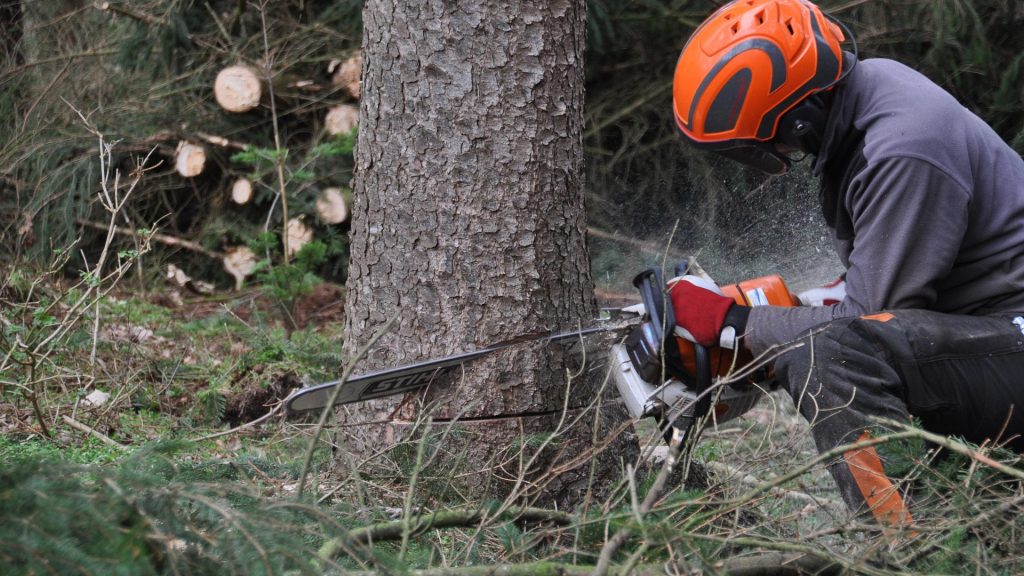
Forest management approaches promoted as “resilience,” “restoration,” “fuel reduction,” and “forest health” often degrade natural systems and reduce carbon stocks.
May 9, 2025
by
Dominick A. DellaSala, Ph.D. and David Lindenmayer and Diana Six
Forest management approaches promoted as “resilience,” “restoration,” “fuel reduction,” and “forest health” often degrade natural systems and reduce carbon stocks.

Subscribe to The Revelator’s weekly newsletter.

Environmental Truth & Justice

  • About The Revelator
  • Reprints
  • Privacy Policy

An initiative of the Center for Biological Diversity

Republish this story

Thank you for your interest in republishing this story. You are free to republish it so long as you do the following:

  • When reprinting our content, cite The Revelator as the source, and if republishing online include a link back to the original story. Our preferred language, ideally placed beneath the byline, reads: “This story was originally published by The Revelator.”
  • Include the author’s byline and bio.
  • Do not make any substantial edits or deletions to the story. Changes to headlines, time or location or for editorial style are permitted.
  • More substantial edits, including cuts or additions, are not permitted without prior consultation.
  • Reprinted materials may not be sold or otherwise syndicated or used to solicit donations of any kind. Please don’t put our content behind a paywall. Republication does not imply an endorsement of The Revelator or the Center for Biological Diversity.
  • We like to keep track of who is reprinting our work, so please drop us a line if you republish one of our stories or if you have any questions.
  • This reprint policy does not include photographs or other illustrations, which may be subject to other licenses and may not be republished. You may reprint photos and graphics attributed to The Revelator with proper attribution.