
Species name:
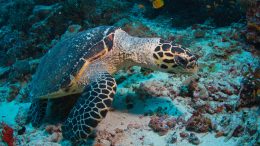
Hawksbill sea turtle (Eretmochelys imbricata)
IUCN Red List status:
Critically endangered globally.
Description:
Hawksbill turtles measure 2.5 to 3 feet long and weigh up to 150 pounds. They have beautifully colored shells with mixes of reddish browns, oranges, and yellows. Their heads are tapered with a V-shaped lower jaw, which inspired their name.

Where they’re found:
Hawksbills are found in 102 countries and nest in 70 of those. Populations occur in tropical and subtropical waters, with the largest nesting population occurring in Australia and the Solomon Islands. Nesting females are also found in Mexico, Cuba, Barbados, throughout the Insular Caribbean, as well as the Pacific regions of Hawai‘i, and from Mexico to Peru.
Why they’re at risk:
Unfortunately hawksbills face a multitude of threats.
The harvest of adults and eggs: One of the worst threats comes from human consumption of their eggs and meat and harvesting of their shells. The trafficking of their shells, called the bekko or tortoiseshell trade, nearly wiped out their population. A craze for the multicolored material led to a thriving market for tortoiseshell combs, glasses, serving plates, jewelry, and other trinkets. Though the Convention on International Trade in Endangered Species of Wild Fauna and Flora banned the commercial trade of hawksbills 1977, it still happens in parts of the world.

Incidental capture in fishing gear: Hawksbills can get entangled in nets and drown or become injured by hooks and die later from their wounds. Gill nets and longline fisheries are the most dangerous to them.
Coastal development leading to habitat loss: The building of resorts and increased housing along beaches means a rise in light and sound pollution. This can deter adult females from coming to shore to lay eggs, and it can also disorient hatchlings, who need dark skies and the sound of the surf to navigate successfully to the sea after hatching.
Climate change: Rising sea levels and intensified storms have eroded beaches. Human obstacles such as seawalls and rock revetments aimed at fighting sea-level rise have made beaches inaccessible to turtles who try to come to shore to nest.
View this post on Instagram
In addition, coral reefs have become bleached and dead due to warming oceans, and coral struggles to grow back due to ocean acidification. As the main diet of adult hawksbills is sponges, which themselves depend on coral for their habitat, this death of coral reefs has reduced the hawkbills’ available food source.
Climate change takes its toll another way, too: Hawksbill gender is determined by temperature. The hotter the sand where a nest has been laid, the more a brood will skew female. As the Earth warms, the male/female ratio has been thrown off, leading to reduced reproduction.
Warming seas also alter habitat suitability and the distribution of available food, which can force changes in migration routes and timing.
Vessel strikes: Increased coastal development has meant an increase in vessels using nearshore waters. Many vessel strikes occur in these areas as females attempt to come onto beaches to nest. High boat-traffic areas, including ports and boat ramps, become places where turtle mortality is higher.
Ocean debris: Plastic pollution is severely detrimental to both adult and juvenile hawksbills. Juveniles spend a few years feeding along drift lines, places where ocean currents converge. These areas provide a buffet of invertebrates such as plankton, shrimp and other small crustaceans, algae, clams, jellyfish, and more. But these drift lines also collect human garbage, and turtles are in danger of swallowing fishing line, plastic bags, balloons, floating oil from spills, and all manner of microplastics.
Predation of eggs and hatchlings: While hawksbills have a number of natural predators that feed upon their eggs and hatchlings, introduced species such as feral pigs, mongooses, and especially semidomesticated dogs and cats, have led to a major uptick in the death of hatchlings.
Oil spills: When turtles surface to breathe in areas with oil spills, they expose themselves again and again to toxins. They inhale the oil and its vapors, swallow it, and even getting coated in it to the point where they can no longer swim.
Who’s trying to save them:
Thankfully a few organizations are fighting to protect hawksbills, with the help of national regulations and international trade restrictions.
The U.S. Endangered Species Act: Hawksbills are listed as critically endangered in the United States. In response NOAA has focused on modifying gear used in the fishing industry, including encouraging the use of turtle excluder devices or TEDs. It also designates critical habitat, conducts research on ongoing threats, and does public outreach to increase awareness. Two recovery plans have been developed: the U.S. Pacific Hawksbill Turtle Recovery Plan and the U.S. Caribbean, Atlantic, and Gulf of Mexico Hawksbill Turtle Recovery Plan.
Arnavon Community Marine Park: Located in the Solomon Islands at the home of the largest hawksbill rookery in the South Pacific, this park has community rangers who guard the nests, monitor populations, and enforce conservation regulations.
World Wildlife Fund: This organization works to protect hawksbills in Fiji by sponsoring monitors from local communities to protect the nests and raise awareness; it also educates local tuna fishers on how to reduce incidental capture of turtles.
The Florida Hawksbill Project: Though hawksbills are not known to nest on Florida beaches, they are spotted in the waters off Florida’s southeast coast. This project seeks to provide a census of hawksbills in the area to provide insight into how to recover Caribbean populations.
How I’m raising awareness for this species:
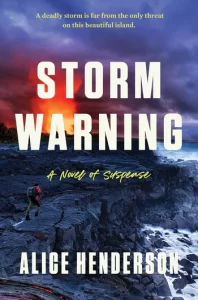 I’m both a wildlife researcher and a novelist: My Alex Carter thriller series centers on a wildlife biologist who encounters dangerous situations while working in the field to help imperiled species. Each book features a different species, and I choose them based on how endangered they are. My latest, Storm Warning, centers around hawksbills. My hope is to describe the plights these animals face and what we can do to help them while telling a suspenseful, engaging story that will keep readers turning the pages to learn more.
The hawksbill is the most critically endangered sea turtle on the planet, and there are many actions that would benefit them that we can take as individuals and communities. I think many people are overwhelmed right now and feel they can’t make a difference. But taking actions is a powerful way to lift one’s spirits, and leading by example can help others, too. So I want readers to know about these turtle-saving steps and elected to relate them in the form of an engaging story that might inspire readers to take action for this incredible species.
What you can do to help:
We can take many steps that will help hawksbills.
1) Reduce your intake of food harvested from the ocean. If you do eat marine species, be sure they were harvested sustainably. Talk to your family, friends, and coworkers about doing the same.
2) Don’t make or buy jewelry or other accessories made from turtle parts.
3) Use your voice. Speak out against ocean drilling projects and unsustainable fishing practices. Protest the construction of beach obstructions such as seawalls, riprap, geotextile tubes, and other devices that prevent turtles from accessing nesting areas.
View this post on Instagram
4) If you live near a beach, turn off your exterior lights at night and encourage other homeowners and local businesses to do the same.
5) Engage in community science. Take part in online or in-person projects that record and protect locations of turtle nests and keep track of reproductive success.
6) Be very careful when boating. Slow down near shores to prevent boat strikes.
7) Be careful on beaches. Fill in any holes that you or your kids may have dug that could affect turtle movement, and don’t drive on beaches.
8) Take climate action and reduce your carbon footprint by driving an electric vehicle, using renewable energy, and making sure your bank does not support destructive climate practices.
9) Reduce your plastic use. Reject single-use plastic items like straws, disposable utensils, water bottles, and shopping bags.
10) Do not have balloon releases at parties. These migrate out to waterways and can look like jellyfish when underwater. Turtles swallow them and die. The strings from balloons also entangle other marine wildlife.