Environmental Truth & Justice

  • News
    • Extinction Countdown
    • Wildlife
    • Climate Change
    • Oceans & Clean Water
    • Pollution & Toxins
    • Public Lands & Protected Spaces
    • Sustainability
    • Investigations
  • Ideas
    • Editorials
    • Commentaries
    • Columns
  • Culture
    • Book Reviews
    • Book Excerpts
    • The Arts
  • About

An initiative of the Center for Biological Diversity

An initiative of the Center for Biological Diversity

Environmental Truth & Justice

Subscribe
  • News
    • Extinction Countdown
    • Wildlife
    • Climate Change
    • Oceans & Clean Water
    • Pollution & Toxins
    • Public Lands & Protected Spaces
    • Sustainability
    • Investigations
  • Ideas
    • Editorials
    • Commentaries
    • Columns
  • Culture
    • Book Reviews
    • Book Excerpts
    • The Arts
  • About
  • News
    • Extinction Countdown
    • Wildlife
    • Climate Change
    • Oceans & Clean Water
    • Pollution & Toxins
    • Public Lands & Protected Spaces
    • Sustainability
    • Investigations
  • Ideas
    • Editorials
    • Commentaries
    • Columns
  • Culture
    • Book Reviews
    • Book Excerpts
    • The Arts
  • About

Wildlife Trafficking

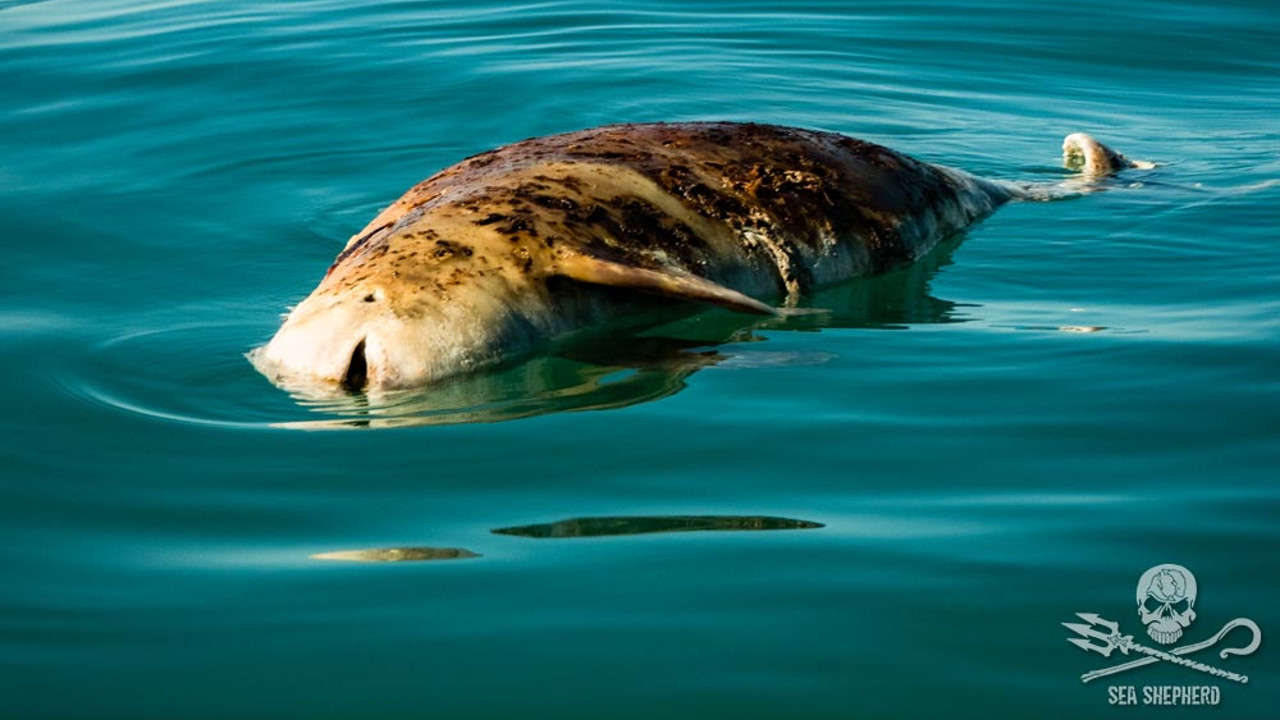
dead vaquita
Extinction Countdown

The Last Vaquitas: “I’ve Seen More Dead Than Alive”

Trying to save this species from extinction also means being witness to their destruction.
July 21, 2017
by
John R. Platt
Trying to save this species from extinction also means being witness to their destruction.
The Dose

Vietnam to End Bear Bile Farming

The cruel practice of tapping and mutilating caged bears for the bile from their gall bladders will soon come to an end in Vietnam. Trade in bear bile, a component of traditional medicine, is illegal in the country but a legal loophole allowed for its continued production. An agreement signed this week between Animals Asia and the Vietnam Administration of Forestry will close that loophole and ensure that the approximately 1,000 bears currently in private hands will move to sanctuaries. This doesn’t completely end the practice; a 2011 report from TRAFFIC found bear bile production and sales in 12 Asian countries. 
July 19, 2017
by
John R. Platt
The Dose

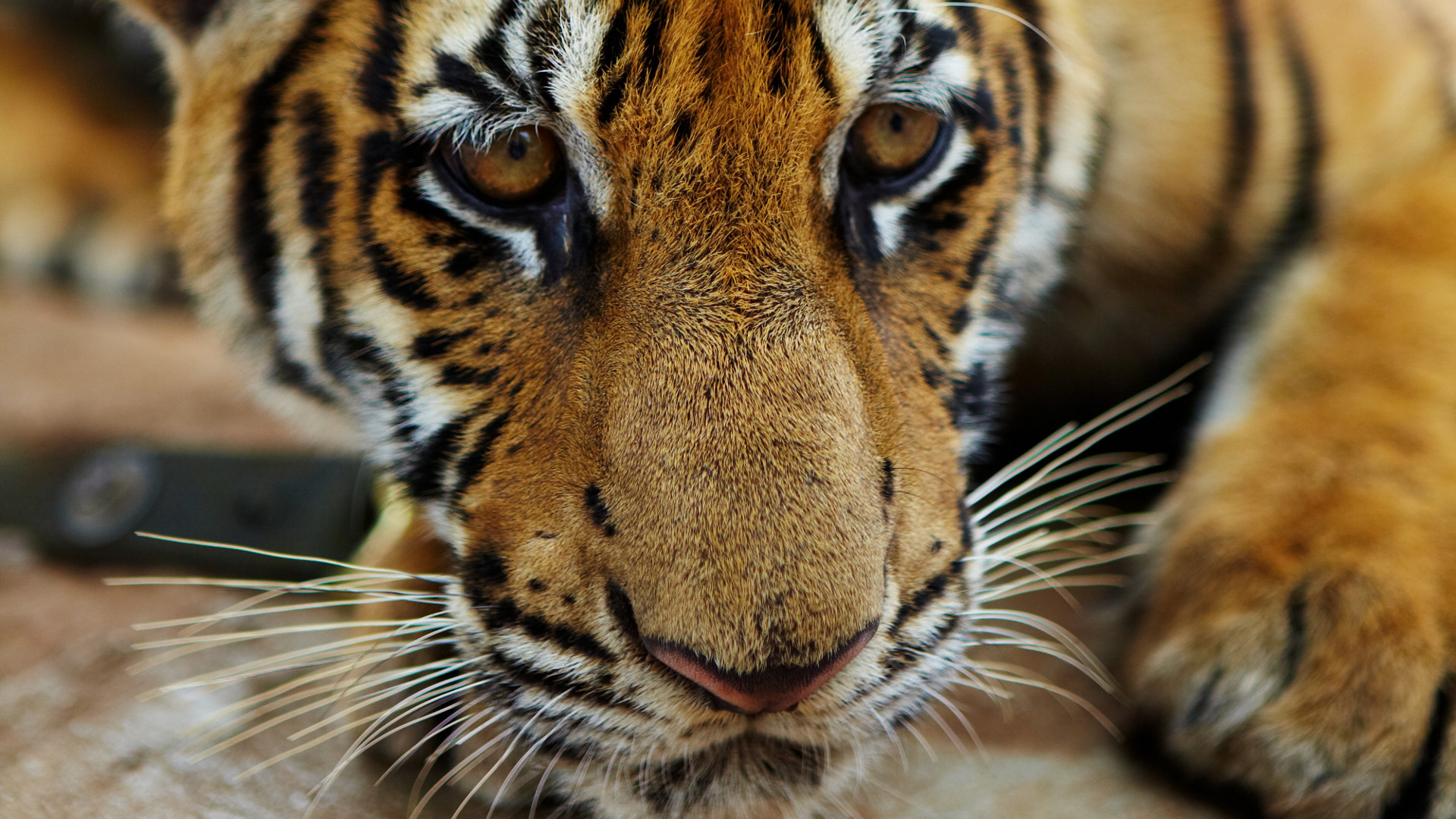
Slow Loris Trade Spreads to Turkey

The exploitation of threatened slow lorises has spread to Turkey. New research shows that the country is the latest to use the tiny primates as tourist props, where people can pose with the animals for a nominal fee. Researchers found dozens of examples of tourists posing with two vulnerable South Asian loris species, despite the fact that no primate has ever been legally imported into Turkey. Lorises, perhaps best known from seemingly adorable YouTube videos, have become increasingly illegally trafficked in recent years. The fragile, nocturnal animals suffer greatly from the practice and rarely survive long in captivity. 
July 17, 2017
by
John R. Platt
The Dose

Ivory Trading Hub Uncovered

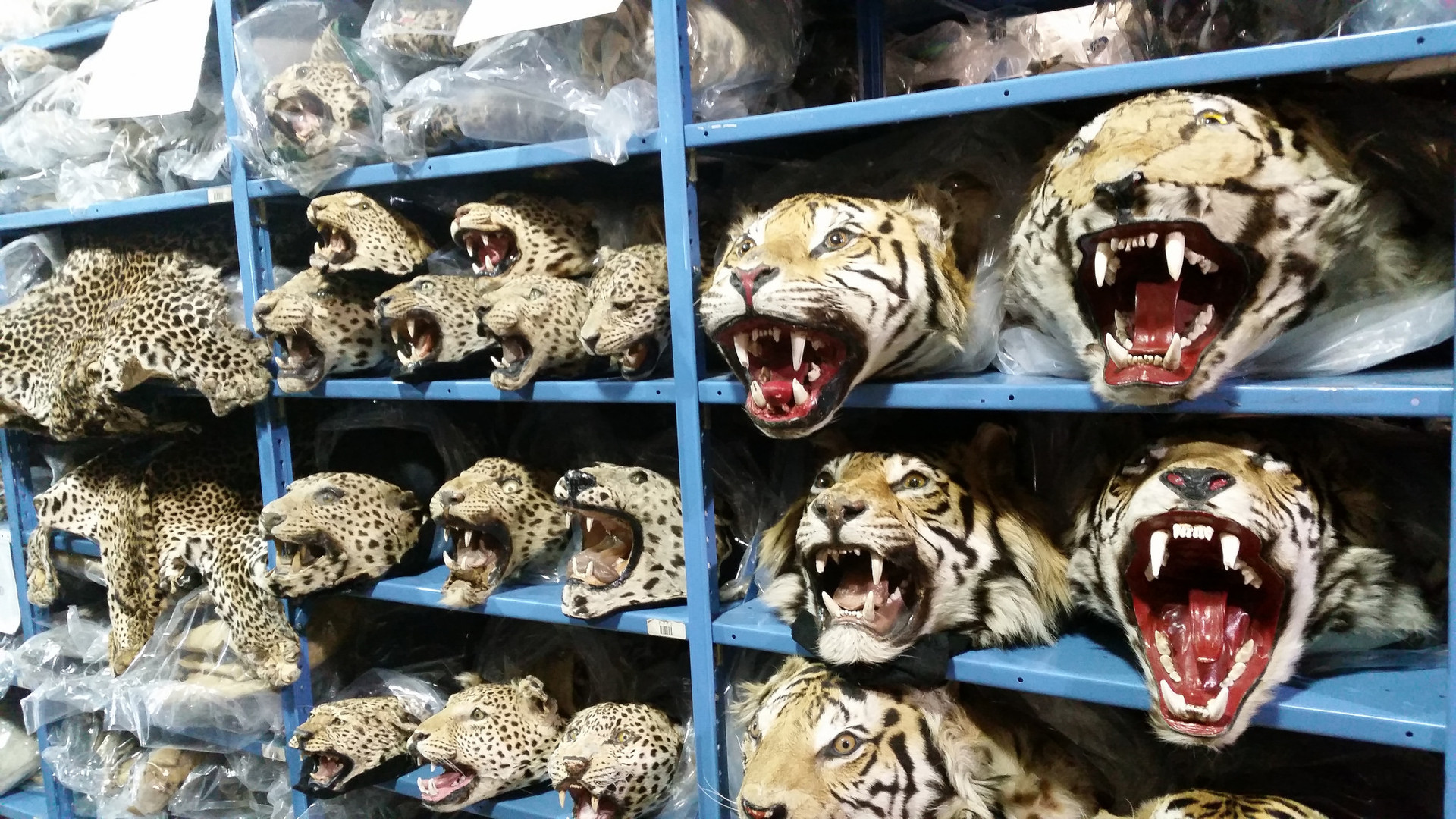
Criminal syndicates from a small town in southern China are responsible for trafficking as much as 80 percent of all illegal ivory into the country, according to a report by the Environmental Investigation Agency. Undercover operatives tracked a two-ton shipment of tusks from Mozambique to the town of Shuidong, thereby revealing trade routes, rampant bribery, and the ability to smuggle other wildlife products, including pangolin scales and rhino horns. China has announced the closure of its legal ivory market, but EIA found the syndicates remained active as late as last month. 
July 5, 2017
by
John R. Platt

Posts pagination

Previous page Page 1 … Page 12 Page 13

Subscribe to The Revelator’s weekly newsletter.

Environmental Truth & Justice

  • About The Revelator
  • Reprints
  • Privacy Policy

An initiative of the Center for Biological Diversity

Republish this story

Thank you for your interest in republishing this story. You are free to republish it so long as you do the following:

  • When reprinting our content, cite The Revelator as the source, and if republishing online include a link back to the original story. Our preferred language, ideally placed beneath the byline, reads: “This story was originally published by The Revelator.”
  • Include the author’s byline and bio.
  • Do not make any substantial edits or deletions to the story. Changes to headlines, time or location or for editorial style are permitted.
  • More substantial edits, including cuts or additions, are not permitted without prior consultation.
  • Reprinted materials may not be sold or otherwise syndicated or used to solicit donations of any kind. Please don’t put our content behind a paywall. Republication does not imply an endorsement of The Revelator or the Center for Biological Diversity.
  • We like to keep track of who is reprinting our work, so please drop us a line if you republish one of our stories or if you have any questions.
  • This reprint policy does not include photographs or other illustrations, which may be subject to other licenses and may not be republished. You may reprint photos and graphics attributed to The Revelator with proper attribution.