Environmental Truth & Justice

  • News
    • Extinction Countdown
    • Wildlife
    • Climate Change
    • Oceans & Clean Water
    • Pollution & Toxins
    • Public Lands & Protected Spaces
    • Sustainability
    • Investigations
  • Ideas
    • Editorials
    • Commentaries
    • Columns
  • Culture
    • Book Reviews
    • Book Excerpts
    • The Arts
  • About

An initiative of the Center for Biological Diversity

An initiative of the Center for Biological Diversity

Environmental Truth & Justice

Subscribe
  • News
    • Extinction Countdown
    • Wildlife
    • Climate Change
    • Oceans & Clean Water
    • Pollution & Toxins
    • Public Lands & Protected Spaces
    • Sustainability
    • Investigations
  • Ideas
    • Editorials
    • Commentaries
    • Columns
  • Culture
    • Book Reviews
    • Book Excerpts
    • The Arts
  • About
  • News
    • Extinction Countdown
    • Wildlife
    • Climate Change
    • Oceans & Clean Water
    • Pollution & Toxins
    • Public Lands & Protected Spaces
    • Sustainability
    • Investigations
  • Ideas
    • Editorials
    • Commentaries
    • Columns
  • Culture
    • Book Reviews
    • Book Excerpts
    • The Arts
  • About

Invertebrates

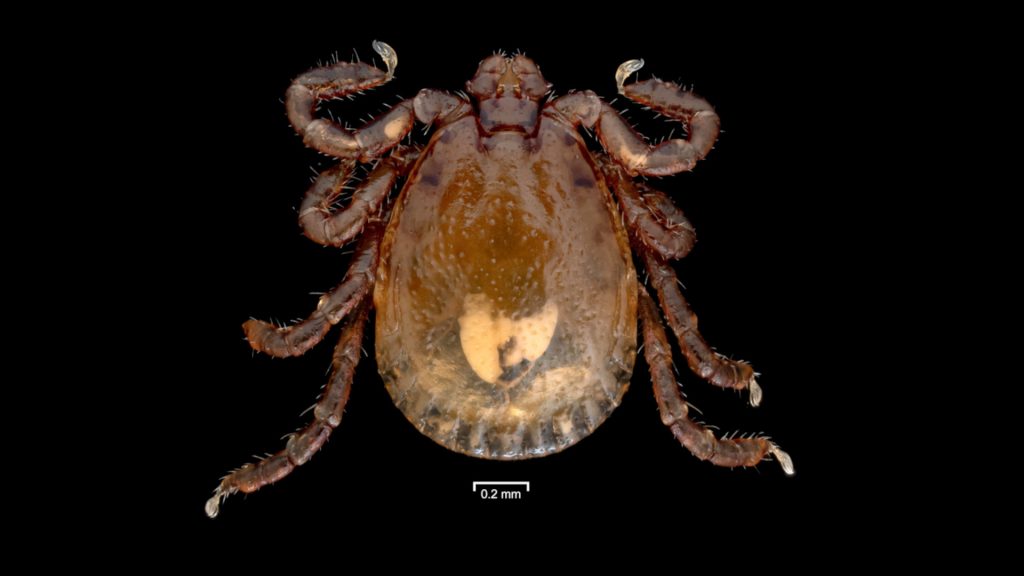
An extreme closeup of a gold, red and gray tick against a black background
Voices

Saving the Ryukyu Rabbit Tick: The Posterchild of Parasite Conservation

This endangered invertebrate is harmless to humans — and rabbits. Saving it from extinction might even benefit both species.
January 15, 2025
by
Mackenzie L. Kwak
This endangered invertebrate is harmless to humans — and rabbits. Saving it from extinction might even benefit both species.
Wildlife

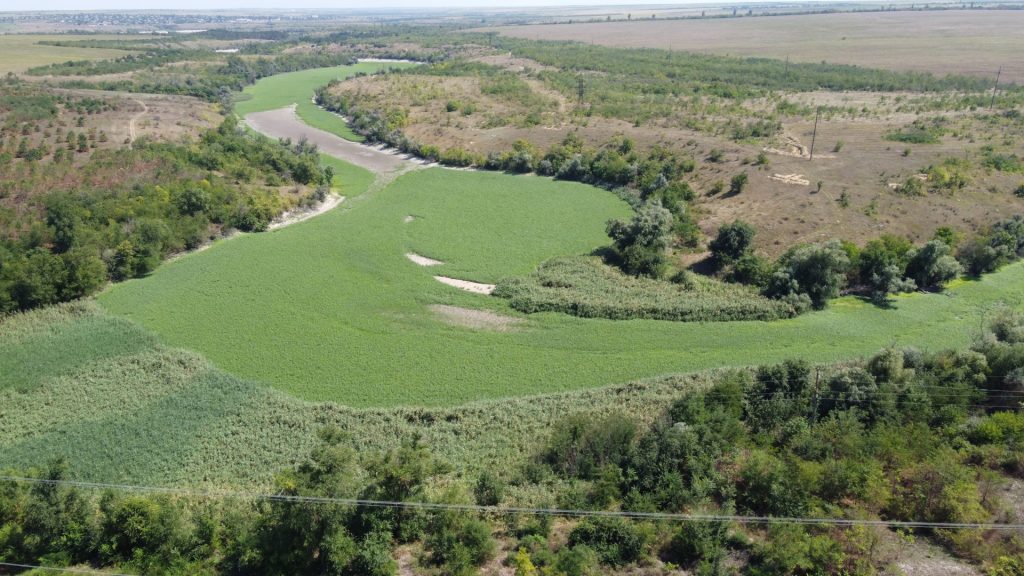
‘Like a Phoenix,’ A New Forest Emerges From the Destruction in Ukraine

Russia’s bombing of Kakhovka Dam in 2023 killed hundreds of people and tens of thousands of animals, but it’s also provided a potential ecological reset.
November 12, 2024
by
Ruchi Kumar
Russia’s bombing of Kakhovka Dam in 2023 killed hundreds of people and tens of thousands of animals, but it’s also provided a potential ecological reset.
Wildlife

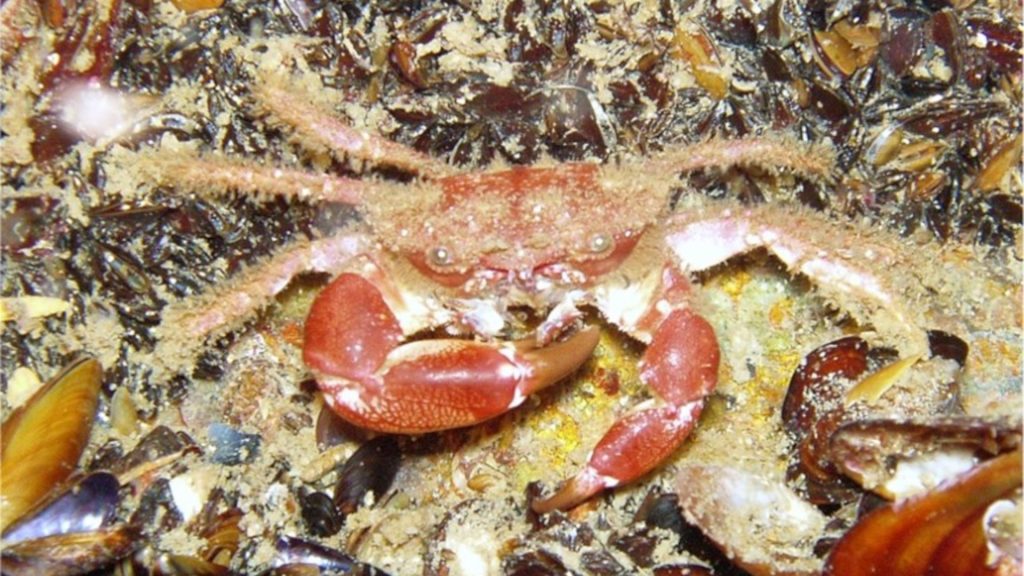
War Threatens Ukraine’s Unique Red Seaweed Fields. Here’s How Scientists Monitor Them From Afar

These beautiful ecosystems recently began to recover from overexploitation. Will Russia’s invasion once again push them over the brink?
October 23, 2024
by
Elyse Hauser
These beautiful ecosystems recently began to recover from overexploitation. Will Russia’s invasion once again push them over the brink?
A parklet in Washington DC with brightly colored planters filled with local pollinator plants.
Sustainability

Cities Respond to Global Pollinator Decline

From pocket parks to large-scale projects, cities around the world are working to reverse a troubling trend.
June 17, 2024
by
Molly McCluskey
From pocket parks to large-scale projects, cities around the world are working to reverse a troubling trend.
Extinction Countdown

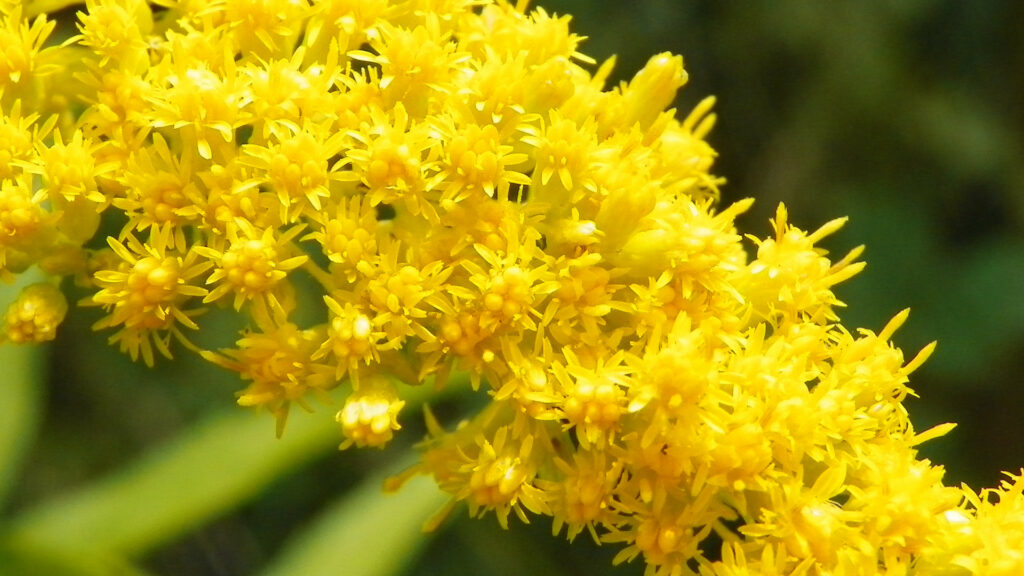
Goldenrod Isn’t Causing Your Spring Allergies — But It Is Killing Europe’s Ants and Butterflies

The North American plants look pretty, but they also causes havoc in places where humans have allowed them to spread.
May 31, 2024
by
John R. Platt
The North American plants look pretty, but they also causes havoc in places where humans have allowed them to spread.
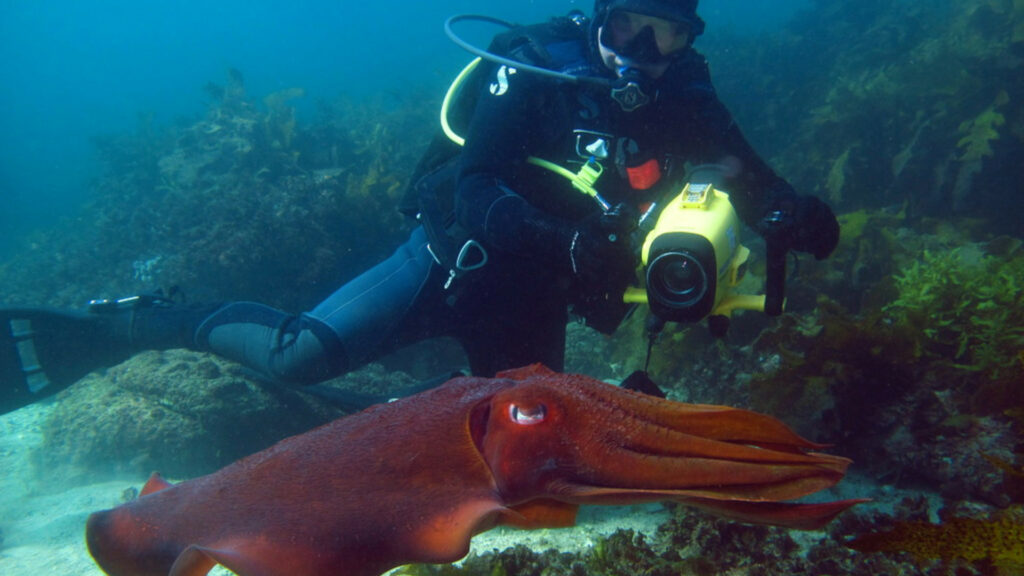
A videographer in a wetsuit and scuba gear swims next to a giant Australian cuttlefish
Public Lands & Protected Spaces

How Do You Protect Something Most People Will Never See?

Meet the Fab Five: A combination of visual and virtual community engagement tools using charismatic species to help win hearts and minds toward saving the ocean.
May 6, 2024
by
Dr. David Shiffman
Meet the Fab Five: A combination of visual and virtual community engagement tools using charismatic species to help win hearts and minds toward saving the ocean.
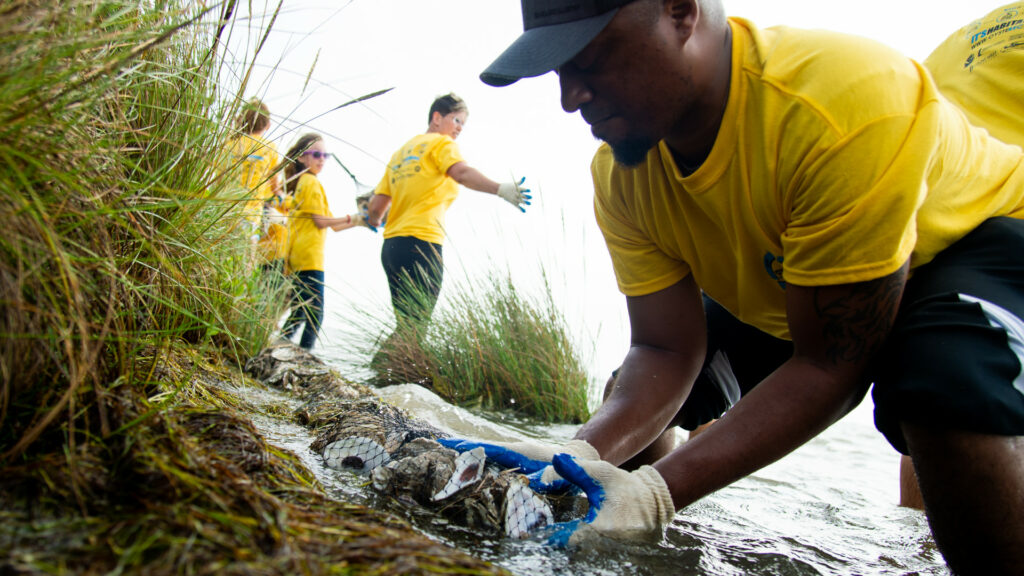
A volunteer in a yellow shirt places a mesh bag of oyster shells in the mud. Sea grasses and other volunteers in the background.
Oceans & Clean Water

Coastal Restoration: Recycled Shells and Millions of Larvae — A Recipe for Renewed Oyster Reefs

As oyster reefs have declined, other marine species have suffered and coastal storm damage has increased. Innovative programs are starting to help.
April 3, 2024
by
Melissa Gaskill
As oyster reefs have declined, other marine species have suffered and coastal storm damage has increased. Innovative programs are starting to help.
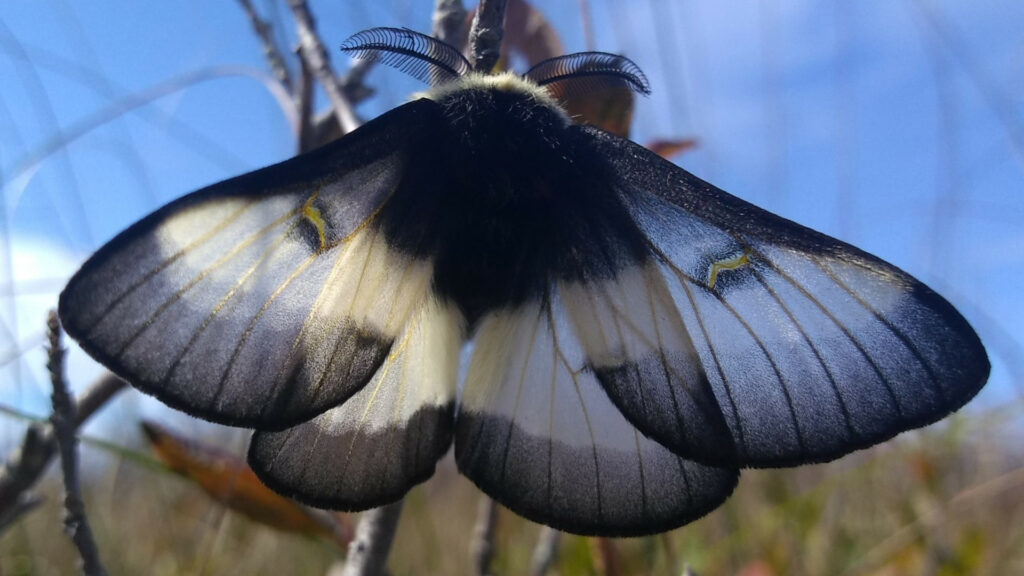
A close up of a striking black, white and blue moth, the sun shining through its semi transparent wings.
Voices

Species Spotlight: Saving the Bog Buck Moth

This striking insect just gained Endangered Species Act protection, but its habitat is still disappearing.
July 14, 2023
by
Karen Rachel Sime
This striking insect just gained Endangered Species Act protection, but its habitat is still disappearing.
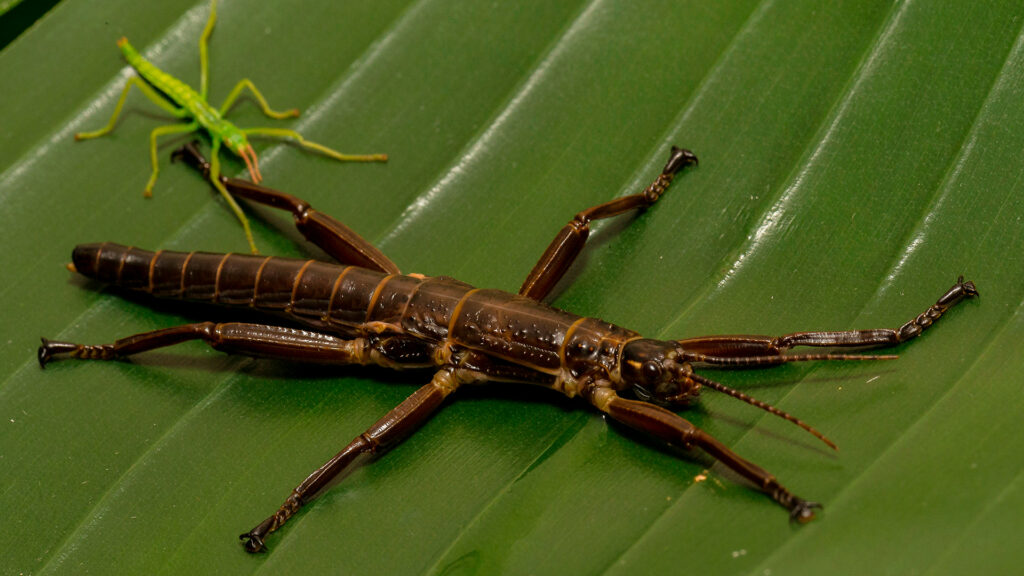
A long, brown insect on a wide, green leaf
Voices

Species Spotlight: The Lord Howe Island Stick Insect Is Holding Its Ground — for Now

A shiny black insect returns from the dead and inspires intercontinental collaboration to make its way back home.
April 17, 2023
by
Paige Howorth
A shiny black insect returns from the dead and inspires intercontinental collaboration to make its way back home.
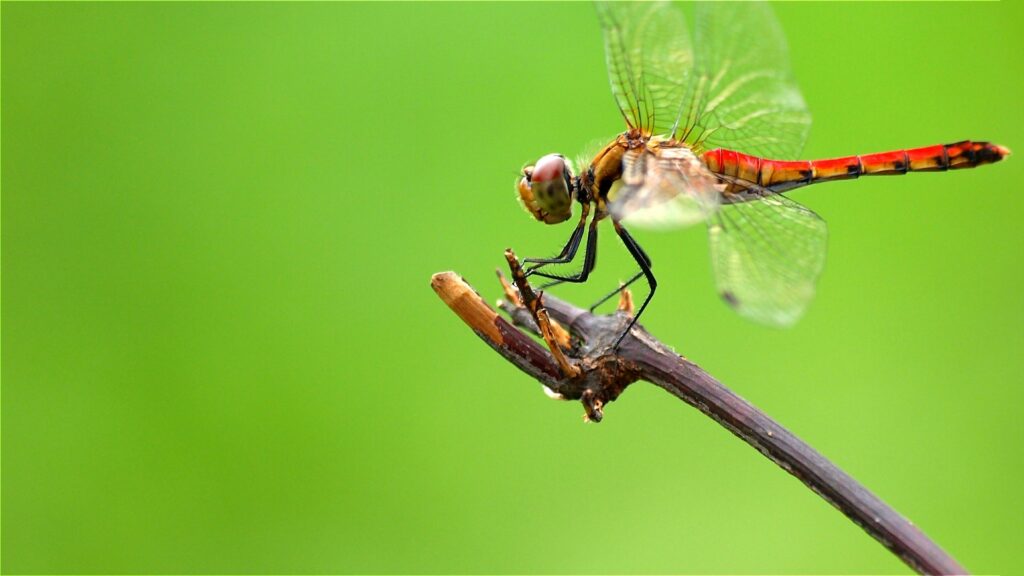
Dragonfly with reddish colored body on a twig.
Climate Change

Climate Change Threatens Insects — And Us

Researchers warn we risk losing a sustainable future if we don’t take action to conserve insects and address climate change. They also offer solutions.
April 14, 2023
by
Tara Lohan
Researchers warn we risk losing a sustainable future if we don’t take action to conserve insects and address climate change. They also offer solutions.

Posts pagination

Previous page Page 1 Page 2 Page 3 … Page 10 Next page

Subscribe to The Revelator’s weekly newsletter.

Environmental Truth & Justice

  • About The Revelator
  • Reprints
  • Privacy Policy

An initiative of the Center for Biological Diversity

Republish this story

Thank you for your interest in republishing this story. You are free to republish it so long as you do the following:

  • When reprinting our content, cite The Revelator as the source, and if republishing online include a link back to the original story. Our preferred language, ideally placed beneath the byline, reads: “This story was originally published by The Revelator.”
  • Include the author’s byline and bio.
  • Do not make any substantial edits or deletions to the story. Changes to headlines, time or location or for editorial style are permitted.
  • More substantial edits, including cuts or additions, are not permitted without prior consultation.
  • Reprinted materials may not be sold or otherwise syndicated or used to solicit donations of any kind. Please don’t put our content behind a paywall. Republication does not imply an endorsement of The Revelator or the Center for Biological Diversity.
  • We like to keep track of who is reprinting our work, so please drop us a line if you republish one of our stories or if you have any questions.
  • This reprint policy does not include photographs or other illustrations, which may be subject to other licenses and may not be republished. You may reprint photos and graphics attributed to The Revelator with proper attribution.