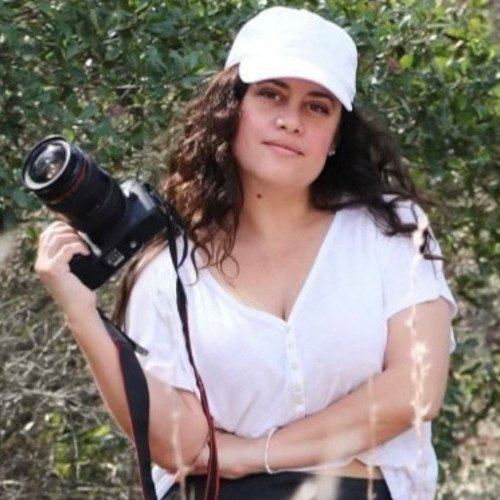
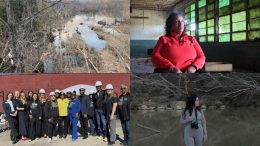
Editor’s note: This edition of our ‘Protect This Place’ column is produced in collaboration with the Climate Listening Project, whose short film appears below.
The Place:
We’re in West Marion, North Carolina, in the Southern Appalachian Mountains, pronounced Appa-latch-an, and known locally as the Blue Ridge Mountains — a biodiversity hotspot where communities are still recovering from Hurricane Helene and coming together to build a Resilience Hub.
Why it matters:
This area is home to the greatest diversity of salamanders on Earth, including the giant eastern hellbender. Varying elevations throughout the mountains create unique ecosystems for more tree species than anywhere in North America, and the region serves as an important migration corridor for species from the North and South.
The Appalachian Mountains are known as the oldest mountains in the world, and Marion is famous for its annual Bigfoot Festival. West Marion is a historically Black community, which lost its school after desegregation and community connectivity after the new interstate was built right through the middle.

The threat:
Hurricane Helene was a traumatic event that carried endless rain that widened little streams, creating thundering rivers that pulled down trees and everything else in their path and tore apart communities.
West Marion Inc has already been listening to the communities’ needs for years and were ready to help. Now they’re planning a Resilience Hub. My new film, “Climate Change And…” tells their story, where the hurricane is just one chapter and enduring struggle is not new, yet climate change and hope coexist.
This community is building solutions and taking care of each other and this place that they love. The Resilience Hub is being built in an old school that has been donated back to the community. There are also plans to build a bridge over the interstate, reconnecting the town. A capital campaign is underway, with big plans for the Resilience Hub to be able to help the community in times of climate impacts, as well as serve as a local health center, technology hub, food incubator, and community center.
My place in this place:
I lived in the Appalachian foothills for many years. I began my Climate Listening Project after 2013 became the wettest, rainiest year on record in western North Carolina. My first listening project was called “Asheville Rain,” in which I listened to a scientist who discussed the importance of preserving Appalachian bogs. I saw record after record broken as hurricanes traveled from the coasts to our mountains, dropping so much rain and causing mudslides.
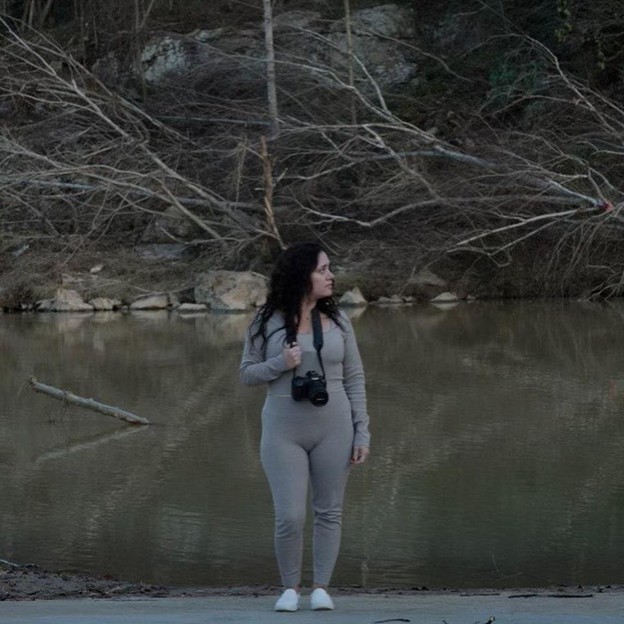
I attended my first West Marion Community Forum meeting almost 10 years ago and met inspiring women, including director Paula Swepson. Shortly afterward I was invited to host a climate forum where people from across the community came together to listen and plan for adaptation from floods or fires, connecting solutions around food security, transportation, and community health. We’ve continued to collaborate and share the messages from their book, Shift Happens in Community. Then Hurricane Helene hit the mountains, and I was invited to listen. The women of West Marion Inc. are inspiring to me because of their work to listen and adapt.
Who’s protecting it now:
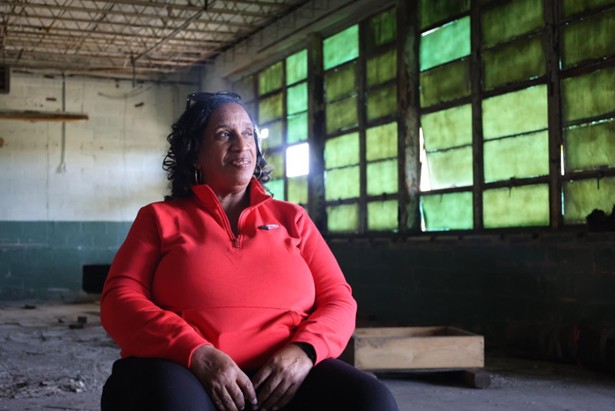
West Marion Inc. is listening in Southern Appalachia with the Old Fort and West Marion Community Forums and planning for the Resilience Hub.
What this place needs:
“The best thing about the forum is that it allows you to dream,” says Paula Swepson, founder and director of West Marion Inc.
See more:

Previously in The Revelator:
Protect This Place: Connected Communities on the U.S. Gulf Coast and the Philippines