Environmental Truth & Justice

  • News
    • Extinction Countdown
    • Wildlife
    • Climate Change
    • Oceans & Clean Water
    • Pollution & Toxins
    • Public Lands & Protected Spaces
    • Sustainability
    • Investigations
  • Ideas
    • Editorials
    • Commentaries
    • Columns
  • Culture
    • Book Reviews
    • Book Excerpts
    • The Arts
  • About

An initiative of the Center for Biological Diversity

An initiative of the Center for Biological Diversity

Environmental Truth & Justice

Subscribe
  • News
    • Extinction Countdown
    • Wildlife
    • Climate Change
    • Oceans & Clean Water
    • Pollution & Toxins
    • Public Lands & Protected Spaces
    • Sustainability
    • Investigations
  • Ideas
    • Editorials
    • Commentaries
    • Columns
  • Culture
    • Book Reviews
    • Book Excerpts
    • The Arts
  • About
  • News
    • Extinction Countdown
    • Wildlife
    • Climate Change
    • Oceans & Clean Water
    • Pollution & Toxins
    • Public Lands & Protected Spaces
    • Sustainability
    • Investigations
  • Ideas
    • Editorials
    • Commentaries
    • Columns
  • Culture
    • Book Reviews
    • Book Excerpts
    • The Arts
  • About

Melissa Gaskill

is a freelance science writer based in Austin whose work has appeared in Scientific American, Mental Floss, Newsweek, Alert Diver and many other publications. She is the co-author of A Worldwide Travel Guide to Sea Turtles.
https://bsky.app/profile/melissagaskill.bsky.social http://melissagaskill.blogspot.com/
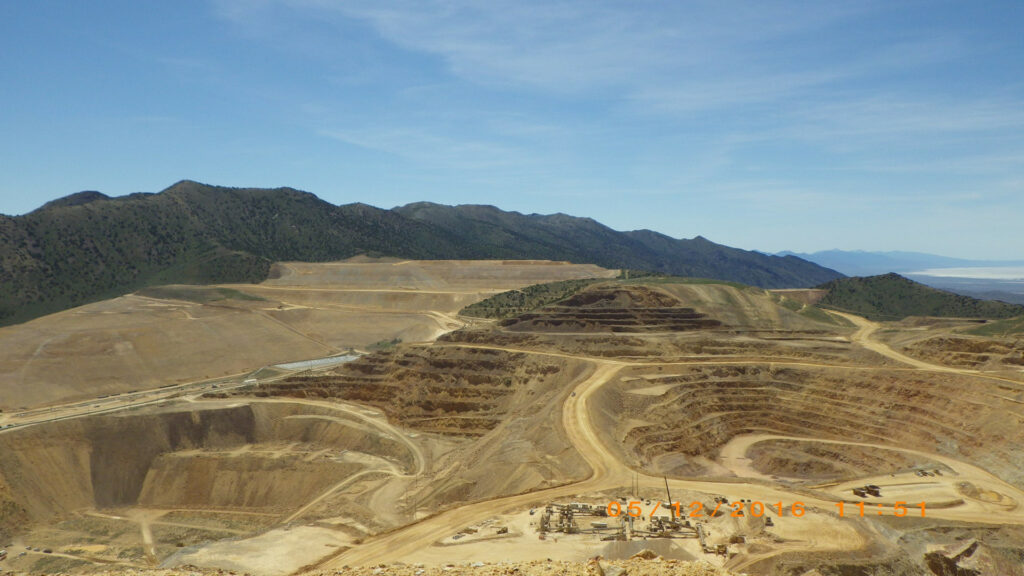
Massive pits show where sand and gravel have been mined
Oceans & Clean Water

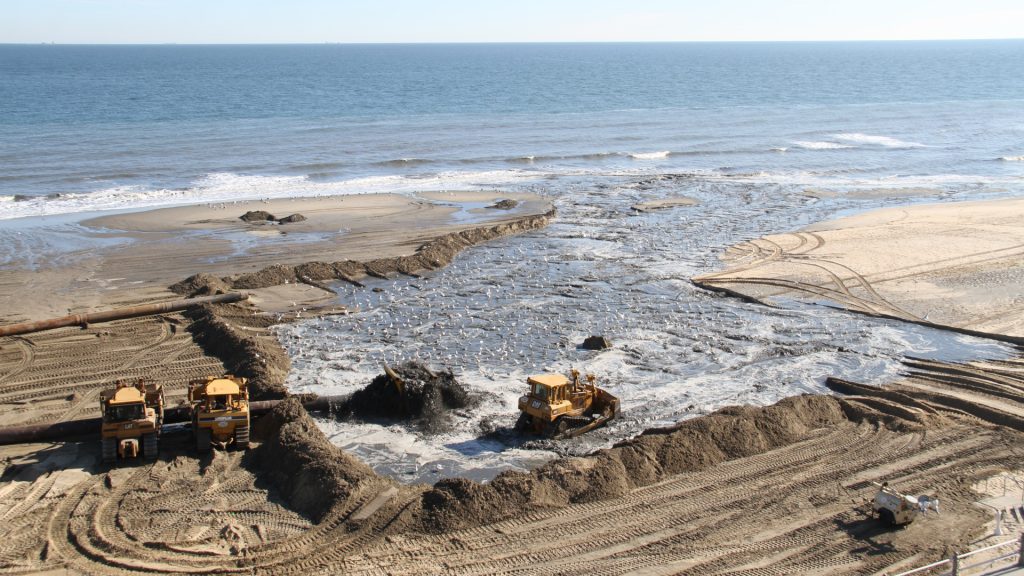
Coastal Restoration: Saving Sand

Increasing demand for this seemingly abundant and common material harms human and natural communities — and fuels a lucrative and dangerous illegal industry.
July 15, 2024
by
Melissa Gaskill
Increasing demand for this seemingly abundant and common material harms human and natural communities — and fuels a lucrative and dangerous illegal industry.
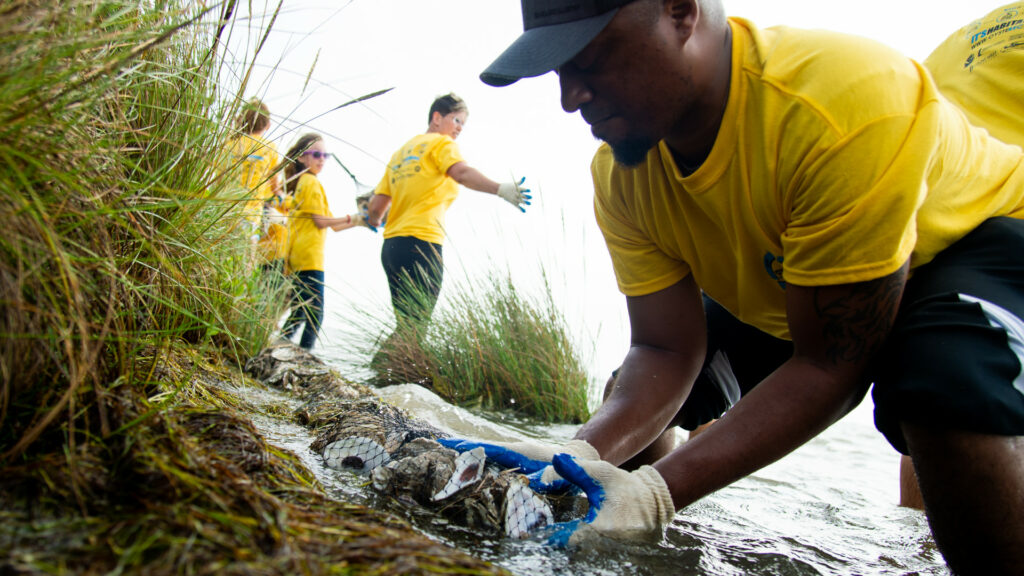
A volunteer in a yellow shirt places a mesh bag of oyster shells in the mud. Sea grasses and other volunteers in the background.
Oceans & Clean Water

Coastal Restoration: Recycled Shells and Millions of Larvae — A Recipe for Renewed Oyster Reefs

As oyster reefs have declined, other marine species have suffered and coastal storm damage has increased. Innovative programs are starting to help.
April 3, 2024
by
Melissa Gaskill
As oyster reefs have declined, other marine species have suffered and coastal storm damage has increased. Innovative programs are starting to help.
People stand above a glass tank with metal rails on top inside looking in.
Oceans & Clean Water

Can Artificial Reefs Restore Corals and Protect Coastal Communities?

Researchers in Florida are testing an artificial reef planted with live corals.
December 20, 2023
by
Melissa Gaskill
Researchers in Florida are testing an artificial reef planted with live corals.
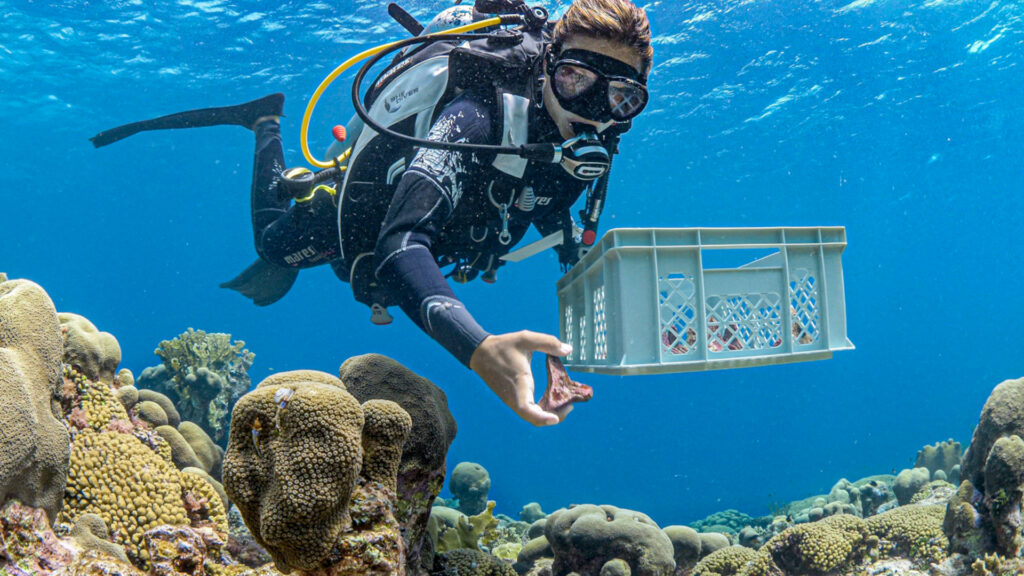
A scuba diver swims above a coral reef
Oceans & Clean Water

Playing Matchmaker for Corals

Improving the success of sexual reproduction is another tool for restoring the world’s coral reefs.
August 9, 2023
by
Melissa Gaskill
Improving the success of sexual reproduction is another tool for restoring the world’s coral reefs.
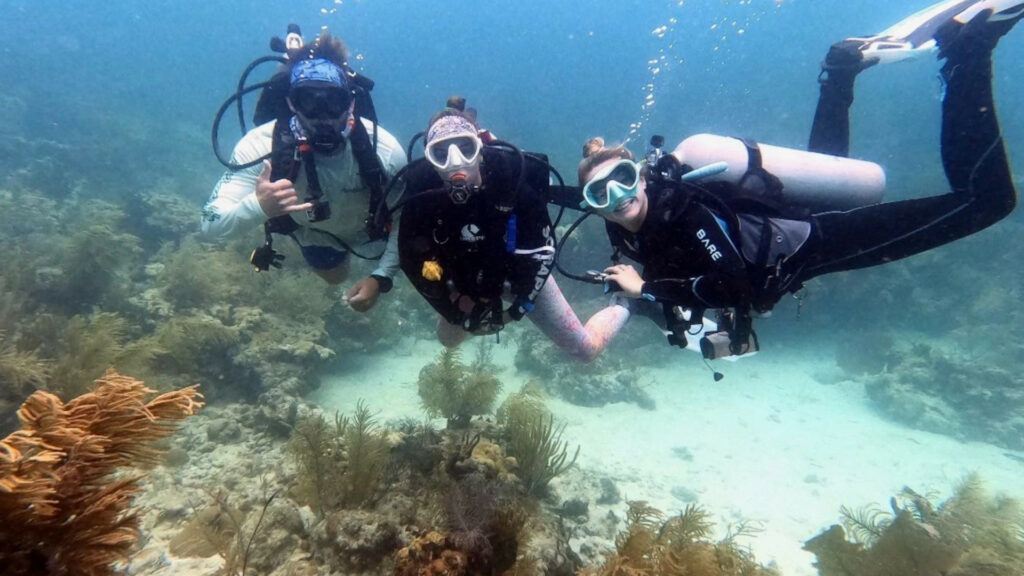
3 scuba divers float above restored coral
Oceans & Clean Water

Planting Coral Gardens to Save Florida’s Reefs

Volunteers flock to Key Largo to go underwater and help restore one of the world’s most important ecosystems.
July 19, 2023
by
Melissa Gaskill
Volunteers flock to Key Largo to go underwater and help restore one of the world’s most important ecosystems.
Oceans & Clean Water

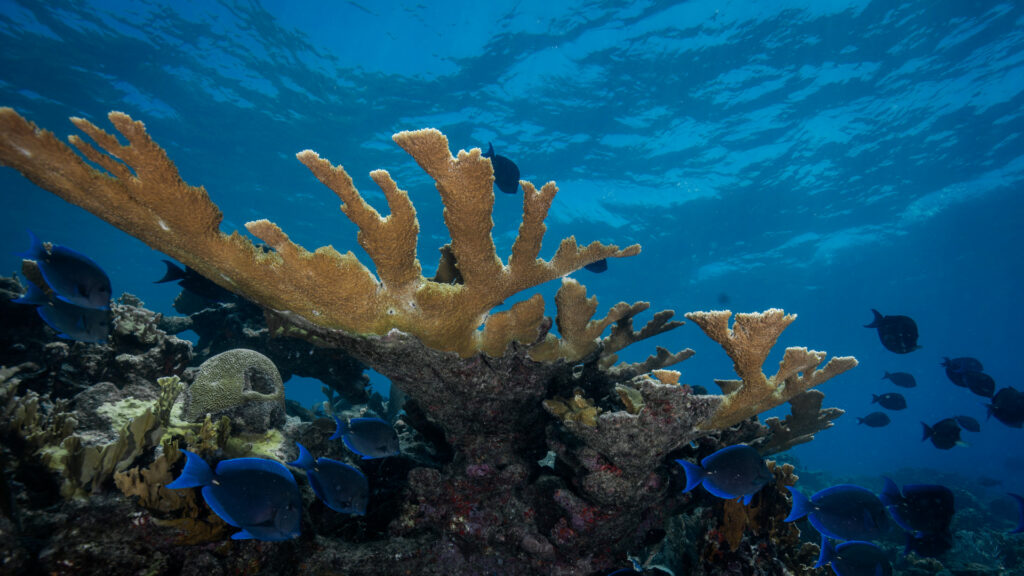
Coral Reefs Are in Crisis. Could a Controversial Idea Help?

To preserve habitat for fish and benefits for humans, some scientists suggest we need to explore the need for assisted migration.
April 26, 2023
by
Melissa Gaskill
To preserve habitat for fish and benefits for humans, some scientists suggest we need to explore the need for assisted migration.
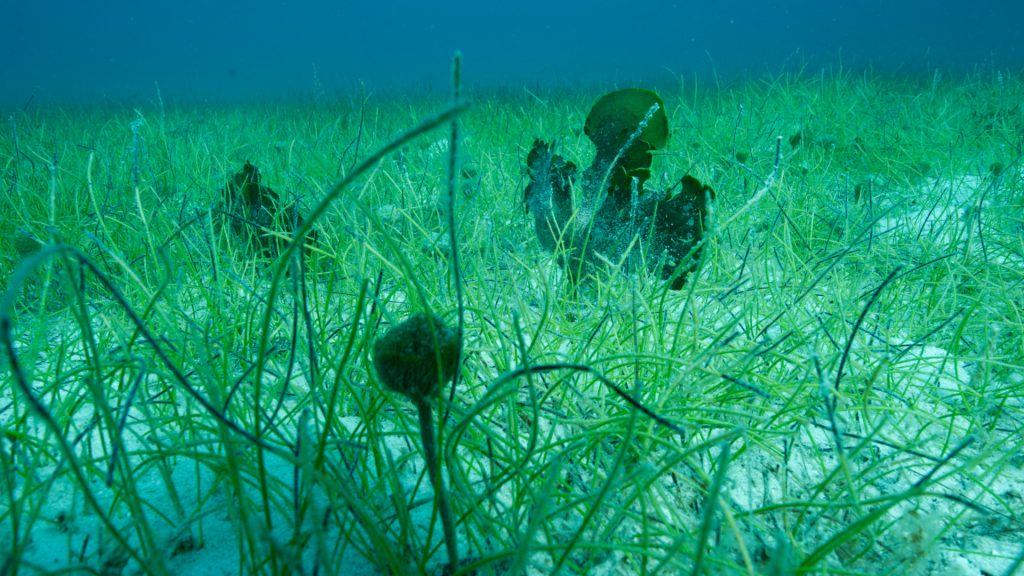
Seagrass
Oceans & Clean Water

Seagrass: Another Vital Carbon-Sequestering Ecosystem Threatened by Climate Change

Underwater meadows have rapidly disappeared around the world, but new research suggests they may be the easiest coastal habitat to restore.
November 23, 2020
by
Melissa Gaskill
Underwater meadows have rapidly disappeared around the world, but new research suggests they may be the easiest coastal habitat to restore.
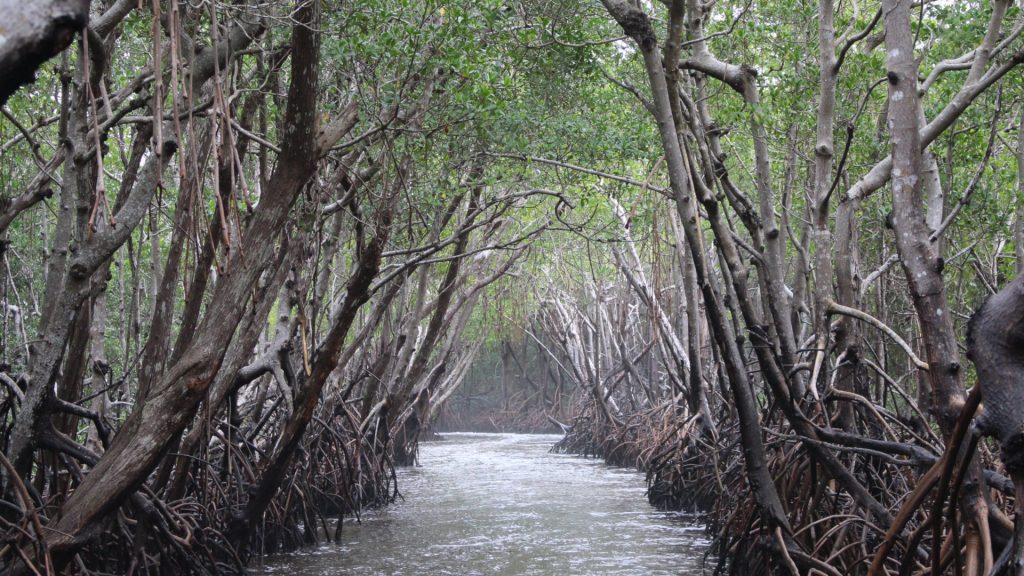
Mangroves in the Everglades
Climate Change

Mangroves Could Help Save Us From Climate Change. Climate Change Is Killing Mangroves.

Coastal mangrove forests help protect communities and habitats from storm surges, but sea-level rise could wipe them out.
August 19, 2020
by
Melissa Gaskill
Coastal mangrove forests help protect communities and habitats from storm surges, but sea-level rise could wipe them out.
giraffes
Wildlife

Scientists: Trophy Hunting ‘Not Irreplaceable’ for Conservation Funding

A debate over the future of trophy hunting points out that many effective alternatives to funding and supporting conservation have started to emerge.
December 3, 2019
by
Melissa Gaskill
A debate over the future of trophy hunting points out that many effective alternatives to funding and supporting conservation have started to emerge.
southmost preserve
Voices

How More Border Barriers Could Harm the Biodiverse Texas Rio Grande Valley

Even before the border wall is built, local business owners and conservationists worry about its impact on tourism and wildlife.
May 29, 2018
by
Melissa Gaskill
Even before the border wall is built, local business owners and conservationists worry about its impact on tourism and wildlife.

Posts pagination

Previous page Page 1 Page 2

Subscribe to The Revelator’s weekly newsletter.

Environmental Truth & Justice

  • About The Revelator
  • Reprints
  • Privacy Policy

An initiative of the Center for Biological Diversity

Republish this story

Thank you for your interest in republishing this story. You are free to republish it so long as you do the following:

  • When reprinting our content, cite The Revelator as the source, and if republishing online include a link back to the original story. Our preferred language, ideally placed beneath the byline, reads: “This story was originally published by The Revelator.”
  • Include the author’s byline and bio.
  • Do not make any substantial edits or deletions to the story. Changes to headlines, time or location or for editorial style are permitted.
  • More substantial edits, including cuts or additions, are not permitted without prior consultation.
  • Reprinted materials may not be sold or otherwise syndicated or used to solicit donations of any kind. Please don’t put our content behind a paywall. Republication does not imply an endorsement of The Revelator or the Center for Biological Diversity.
  • We like to keep track of who is reprinting our work, so please drop us a line if you republish one of our stories or if you have any questions.
  • This reprint policy does not include photographs or other illustrations, which may be subject to other licenses and may not be republished. You may reprint photos and graphics attributed to The Revelator with proper attribution.