

I’m lucky to live immediately adjacent to Point Reyes National Seashore in California and make frequent visits to indulge my photography hobby. In the summer I can work a full day and still search for bobcats through the evening golden hour. And I’m truly privileged to be able to advocate for its restoration and protection in my capacity as executive director of Turtle Island Restoration Network.
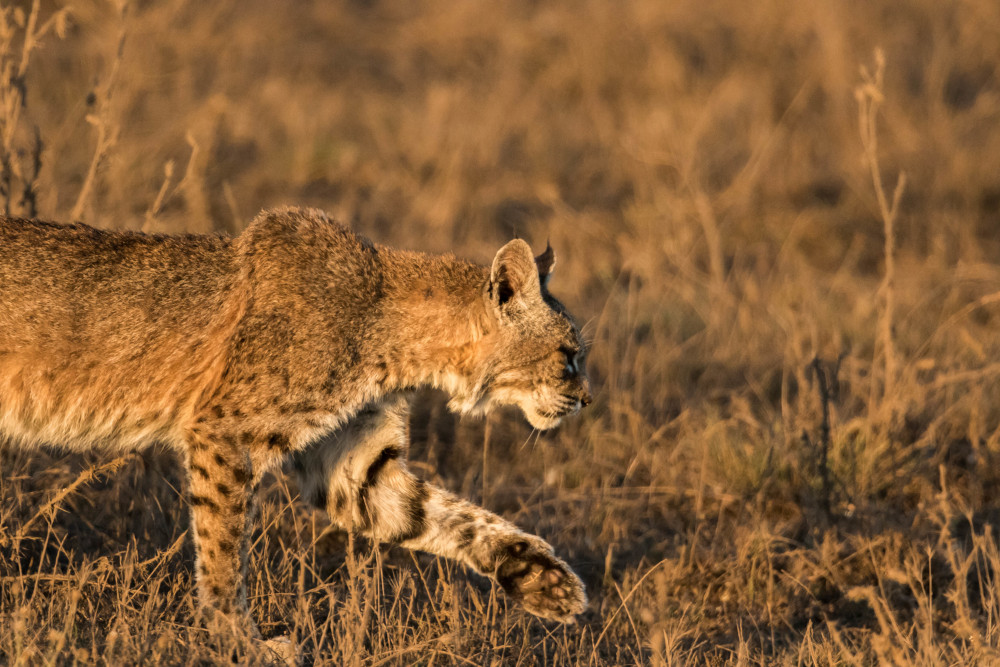
Point Reyes is a coastal treasure protecting about 110 square miles of some of the most scenic and biodiverse landscapes on the planet. Surrounded by marine protected areas on its western coastline and buffered by open spaces of various jurisdiction on eastern inland boundaries, the West Coast’s only national seashore supports extraordinary species richness for both plants and wildlife. Meanwhile its proximity to San Francisco and Oakland provides an unusually accessible oasis for humans seeking recreation and outdoor experiences. Point Reyes receives more than 2 million visitors per year.
That number could soon increase — and it should. People deserve to see this amazing landscape. A recent legal settlement added new protection to Point Reyes that should make it even more magnificent. But getting to that point still requires effort, coordination, and vigilance against both new and returning threats.
How We Got Here
The Seashore has a rocky history. It was signed into existence by John F. Kennedy in 1962. Over the next decade or so, the federal government purchased private ranches in the area, adding acreage in a puzzle-piece fashion, and sparing the whole peninsula from seemingly inexorable sprawl development.
What followed were decades of controversy and conflict over the best ultimate uses of the park. Commercial ranches were initially allowed to stay in operation, leasing back the land they’d just sold to the public. But beef and dairy cattle operations increasingly conflicted with the park’s preservation and public-use principles. Damage from overgrazing and ranching lease violations came under public scrutiny. A battle raged over controlling tule elk in the only national park where they still occur. With growing concerns of extinction and climate crises, pressure from citizens and environmental groups boiled over and, following a recent settlement, the government enacted changes to move away from private businesses guiding park management.
Now 10 out of 12 commercial cattle operations have now vacated the park. With the departure of all dairy and most beef cattle ranches, around 17,000 acres of formerly overgrazed lands are shifting from “pastoral working zone” to “scenic landscape” — meaning they are slated, in theory at least, for ecological restoration.
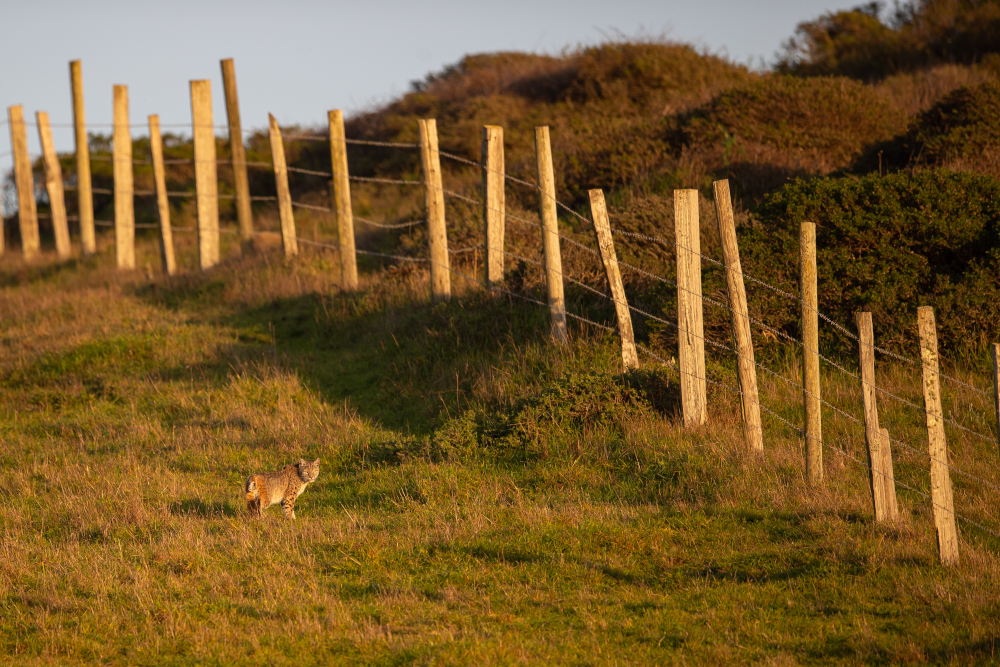
The January 2025 Point Reyes settlement took more than a decade of intensive pressure: several iterations of a park management plan, litigation, protests, public hearings and comments, investigative journalism, town halls, letters to the editor, petitions, intrepid photographers photo-documenting lease violations and environmental degradation, ranch infrastructure decay, extended drought, and collapse of dairy markets.
The heavy lifting was done via lawsuits by the Center for Biological Diversity (publisher of The Revelator), Resource Renewal Institute, and Western Watersheds projects, with pro bono support from Advocates for the West. The Nature Conservancy (TNC) provided a reported $40 million in voluntary lease buyouts to incentivize the ranch leaseholders to vacate. As part of the deal, the National Park Service has repurposed the former grazing leases into restoration leases, initially to be held and managed by TNC.
The transition marks a rare moment in conservation: A large, publicly owned coastal landscape has a chance to recover its ecological integrity. Stakeholders including federal agencies, conservation nonprofits, ranching interests, tribal representatives, scientists, and the broader public are asking a high-stakes question: Now what?
Here are five key areas of focus that can guide the restoration of Point Reyes as a model for ecological recovery, climate resilience, and inclusive stewardship.
1. Restore Native Coastal Prairie — A Scarce and Valuable Ecosystem
California’s native coastal prairie is among the most imperiled ecosystems in North America. Once widespread along the Pacific Coast, this unique habitat survives in less than 1% of its former glory today. Grasslands that remain are fragmented, degraded, and under constant pressure from invasive species, altered fire regimes, and adjacent land-use practices.
At Point Reyes the reduction of commercial cattle grazing is an unprecedented opportunity to restore thousands of acres of coastal prairie. This is not as simple as removing fences and letting nature take its course. Decades of intensive cattle grazing have compacted and altered soils, caused erosion, and spread invasive plants.
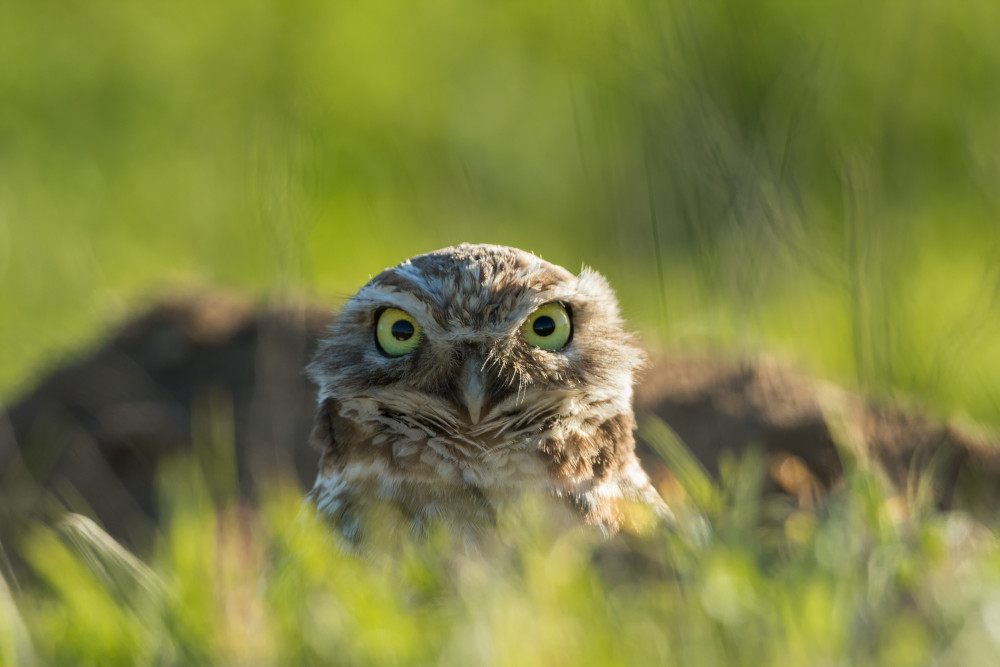
Effective restoration will require planning and active management: controlling invasive plants, reseeding native bunchgrasses and wildflowers, reintroducing natural disturbance regimes such as prescribed fire and grazing by elk, monitoring ecosystem responses, and adaptive management.
Native prairie restoration is about more than just plants. These ecosystems support pollinators, ground-nesting birds, small mammals, and a host of invertebrates that form the foundation of coastal biodiversity. Rebuilding prairie habitats also enhances carbon sequestration in soils, contributing to climate mitigation.
At Point Reyes we have a chance to recover a nearly lost landscape, one that is both ecologically rich and culturally significant. This is also a rare opportunity to learn how formerly grazed grasslands react to different restoration regimes. Point Reyes offers a valuable laboratory for soil science, botany, and restoration ecology.
2. Wildlife Recovery and Reintroduction: Rebuilding A Functional Ecosystem
The management changes at Point Reyes will allow recovery of existing wildlife populations, as well as opportunities for reintroduction of wildlife species that have been extirpated but once played essential ecological roles.
The most visible beneficiaries will be tule elk, endemic to California. Once thought extinct, tule elk were reduced to a single remnant population in the San Joaquin Valley that was protected and became the source for elk reintroductions around the state. The National Park Service reintroduced two dozen elk to Point Reyes in 1978, and today the park’s population has grown to about 700 elk.
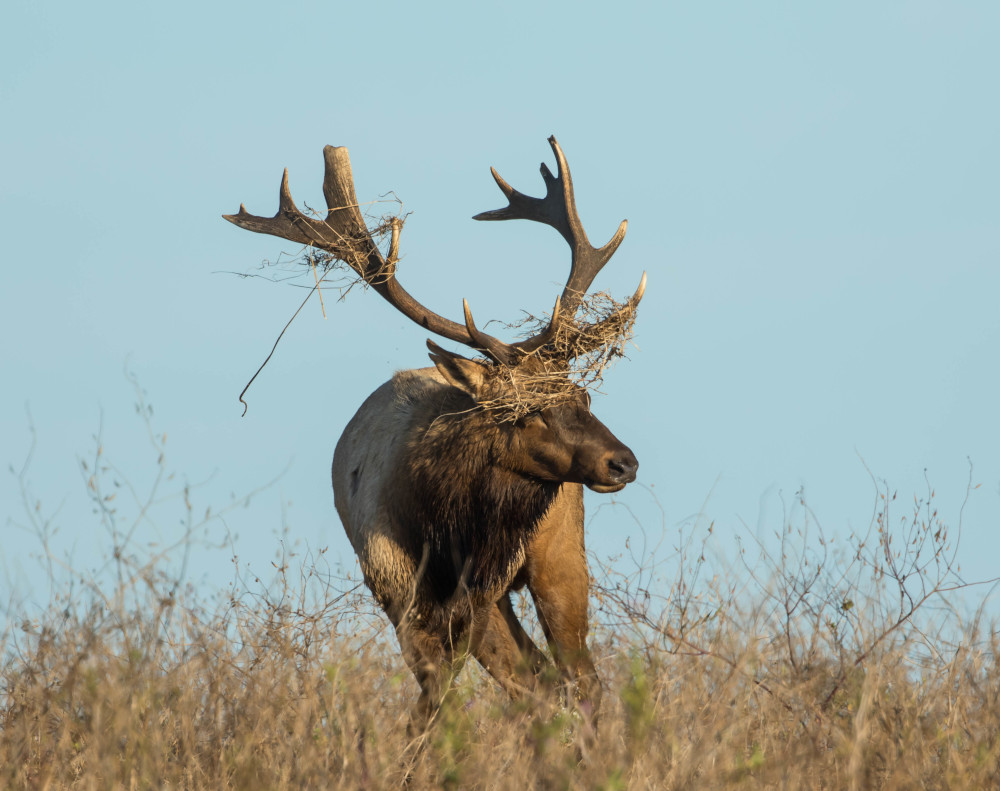
The Park Service has removed a large fence across Tomales Point that formerly pinned elk on a peninsula, allowing them to roam freely. Under the settlement the agency also abandoned a proposed arbitrary population cap on elk that would have greenlighted annual shooting and hazing of tule elk to reduce competition with grazing cattle. With the removal of ranching infrastructure and cattle that competed for forage, elk will have significantly more room to roam in the park, potentially improving herd health and reducing human-wildlife conflicts.
Marin County is notably the only coastal county north of the Golden Gate Bridge without wild beavers. Beaver reintroduction represents a powerful, nature-based solution for watershed restoration. As ecosystem engineers, beavers create wetlands that improve water storage, reduce erosion, enhance biodiversity, benefit wildlife such as coho salmon and other endangered species, and build resilience to drought and wildfire.
Similarly, formerly abundant sea otters were extirpated during the fur trade era. Today southern sea otters are listed as endangered, and their recovery along the central and northern California coasts is an important conservation priority. Reestablishing sea otter presence at Point Reyes could contribute to broader population resilience and recovery. Sea otters are also keystone species, helping to maintain eelgrass and kelp forests, which in turn support fisheries, biodiversity, and carbon storage.
In the heart of Point Reyes, Drakes Estero is an excellent potential reintroduction location for sea otters, since the estuary is free from predatory sharks and dangerous boat traffic, rich in marine invertebrate foods for otters, and surrounded by designated wilderness. Sea otters could help control invasive Eurasian green crabs who have upset the local ecology.
And that’s not all: A recent report by Turtle Island Restoration Network explores the feasibility of reintroducing these three native mammals — and four more — to Point Reyes, and the ecological benefits and practical considerations for such efforts.
Reintroduction works best when it restores natural ecological processes, putting nature in the form of elk, beavers, and otters to work in restoring habitats. But such ecological changes must be approached carefully and require rigorous assessment, long-term monitoring, and collaboration amongst agencies and communities.
Point Reyes already serves as an ark against the Anthropocene flood of human impacts, harboring nearly 100 endangered, threatened, or rare plants and animals. If the Bay Area’s signature park can bring back animals extirpated upon European arrival, it will be an exemplary and inspiring example of the national parks as “America’s best idea.”
3. Tribal Co-Management and Cultural Renewal
Point Reyes is the ancestral home of the Coast Miwok, whose stewardship shaped the area over many thousands of years. Colonization removed and displaced these communities and disrupted their relationship with unceded land. The restoration of Point Reyes presents an opportunity to move beyond acknowledgment toward meaningful partnership. As a formal part of the settlement and the newly revised general management plan for the Seashore, the Federated Indians of Graton Rancheria, whose membership includes Coast Miwok and Southern Pomo peoples, are official management partners with the National Park Service.
Tribal comanagement can bring Indigenous knowledge, cultural practices, and stewardship values back into land management, including the use of cultural burning to maintain grasslands, restoration of culturally significant plant species, protection of archeological and sacred sites, and the bolstering of programs that support cultural revitalization. Indigenous stewardship practices have sustained ecosystems for millennia and offer valuable insights for modern restoration challenges.
4. Expanding Public Access to Newly Opened Lands
For decades large portions of Point Reyes were effectively inaccessible to the public due to active ranching operations. While technically open, these lands were often surrounded by barbed wire, gated, or difficult to navigate safely. They were also covered with what cows do — high boots were not optional.
With the departure of most ranches, thousands of acres of public land can now be reimagined for public use. This presents an opportunity to expand trail systems, improve connectivity between existing park areas, and create new spaces for hiking, wildlife viewing, and environmental education.

However, increased visitation can bring unintended impacts: trail erosion, habitat disturbance, and pressure on sensitive species. Restoration and recreation must be balanced through careful planning, including designated trails, seasonal closures of sensitive areas, visitor education, and enforcement.
Done right, expanded access can deepen public appreciation for the landscape while fostering a constituency that supports its protection. It can also redistribute visitor use, reducing overcrowding in heavily trafficked areas of the Seashore.
This is not just about opening gates; it’s about evolving how people engage with public lands in a way that aligns with ecological recovery.
5. Environmental Justice and Equitable Access to Nature
For many residents of the San Francisco Bay Area, particularly those from historically marginalized communities, access to national parks remains limited by economic, transportation, logistical, and cultural barriers.
Progressive environmental organizations have long emphasized the importance of linking conservation with community engagement. Ensuring that restoration benefits are shared broadly, not just ecologically but socially, is key to building lasting support.
With expanded access and renewed focus, the Seashore can become a gateway to nature for millions of people who may not have the opportunity to visit Yosemite or Yellowstone. This will require intentional programming: transportation initiatives, community partnerships, multilingual education efforts, and outreach that reflects the diversity of the region. Groups such as Outdoor Afro, Latino Outdoors, Rainbow Sierrans, and others can partake in, support, and enjoy increased access and restoration of the Seashore.
Equity in access is not an afterthought; it’s central to the mission of public lands. A restored Point Reyes can serve as a model for how national parks can better serve the public in all its diversity.
Notes of Skepticism
There is, of course, an orange elephant in the room. Until the next presidential election, any progress involving federal agencies or federal funding faces more of a vertical cliff than an uphill battle.
For example, reintroducing beavers would occur under the auspices of the California Department of Fish and Wildlife and might actually make progress, whereas reintroducing sea otters would require the U.S. Fish and Wildlife Service, a federal agency suffering from DOGE budget cuts and firings and under Trump’s Interior Department that is hostile to conservation.
Worse than simply starving the relevant agencies of resources, there remains the specter of active interference in the Point Reyes settlement by the Trump administration. Local businessman and “regenerative ranching” pied piper Albert Straus has made overtures to Washington to roll back the decision and bring private commercial dairies back to the Seashore. Mr. Straus owns Straus Family Creamery and stands to gain financially if his implausible prayers are answered at the Department of the Interior.
The ranchers with the two remaining ranching leases in the Seashore have sued the Park Service to try to overturn the settlement. One of these beneficiaries of publicly subsidized generous lease conditions and reduced grazing fees and personal rent, Nicolette Hahn Niman, ran for Congress against incumbent Jared Huffman (D-CA-2) in an apparent attempt to penalize Huffman’s support for the Seashore settlement, but lost in June’s primary.
Another issue of concern is the question of how committed The Nature Conservancy will be to actual and full ecological restoration at Point Reyes given the political backlash by ranchers, agricultural interests and the Trump administration. TNC is proud of its longstanding relationships with ranchers and champions “restoration grazing” vociferously. The Point Reyes settlement includes managing the new leases for ecological, restoration, public use, and historical and cultural values. This will include continued cattle grazing, but at significantly reduced stocking rates and duration, with promises of rotating cattle off of grasslands before damage occurs. Will TNC implement rotational grazing minimally and as part of a practical restoration regime, or will it recreate the overgrazing and degraded conditions that characterized Point Reyes for decades?
Among the coalition of environmentalists and advocates who fought for Point Reyes restoration, there is skepticism or cautious optimism about the way and degree to which TNC will use cows on leased land in the Seashore. This concern was amplified when TNC awarded a short-term rotational grazing contract to a remaining private ranch leaseholder who forewent the settlement negotiations, sued to overturn the settlement, and is maneuvering to maintain or expand his commercial operations in the Seashore.
TNC is of course aware of these concerns and has committed to a transparent public process to develop a management and restoration plan for the lease lands and is sharing their vision and plan with the concerned public.
Conditions for Success
The opportunities for ecological restoration and public benefits at Point Reyes are significant, but they are not guaranteed. Realizing them depends on several critical conditions:
First, the settlement that enabled this transition must be upheld and allowed to proceed without interference. Legal certainty provides the foundation for long-term planning and investment.
Second, agencies with authority, particularly the Park Service and California Department of Fish and Wildlife, must actively engage, coordinate, and commit resources to the restoration.
Third, collaboration among stakeholders is essential. Conservation groups, Tribal representatives, scientists, and local communities must work together. Local environmental groups should be allowed to bring their expertise, volunteer power, and funding to the restoration effort. This, unfortunately, has not yet occurred, and there’s no committed timeline.
Fourth, restoration must be understood as an ongoing process, not a one-and-done. Ecosystems take time to recover, and adaptive management will be necessary as conditions change.
Finally, all stakeholders must understand and commit to the established purposes of the national park system, as stated in the Organic Act of 1916: “to conserve the scenery, natural/historic objects, and wildlife, while providing for public enjoyment in a manner that leaves them ‘unimpaired’ for future generations.”
Point Reyes stands at a rare inflection point. Few places have the chance to reclaim such a large and ecologically significant landscape in one coordinated effort. The question is no longer whether restoration is possible. It is whether we will rise to meet the opportunity.

Previously in The Revelator:
This Is What Community-Powered Restoration Looks Like