Editor’s note: This edition of our “Protect This Place” column is produced in collaboration with the Climate Listening Project, whose short film about this place appears below.
The Place:
We’re traveling the waters of the world, where communities are coming together as gas export development threatens places along the U.S. Gulf Coast — like Lake Charles, Louisiana — and gas import development threatens places in Asia like small islands along the Verde Island Passage in the Philippines.
Why it matters:
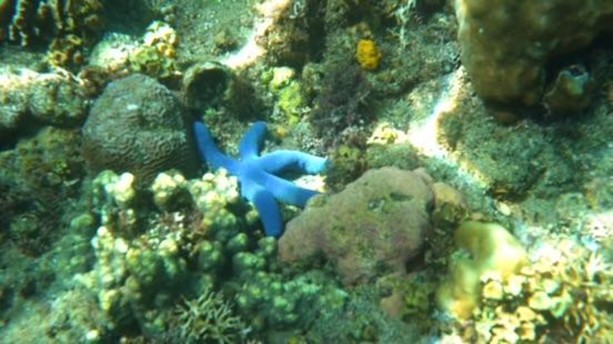
The Verde Island Passage is known as the Center of the Center of Marine Shore Fish Biodiversity in the world. It’s the heart of the Coral Triangle and home to a unique concentration of more than 1,700 shore fish species, more than anywhere else on Earth.
In Louisiana each year, Mardi Gras brings people together throughout the state for community celebrations unlike any others in the United States. The seafood from Gulf waters is a big part of the culture — from crabs to shrimp and dishes like gumbo — and many of the people along the Gulf Coast of Louisiana are fisherfolk, just like those along the coast of Philippines.
I have been invited to both places, to listen to and film the stories of fisherfolk who are affected by pollution. A recent oil spill in the Verde Island Passage had ripples of impacts on water, wildlife, and communities in this beautiful place, and I touched the oily residue left behind.
When I was last in Lake Charles, Louisiana, I could see and smell the smoke from the fossil fuel refineries and read signs warning that pollution was inside the crabs.
The threat:
Gas from Lake Charles travels by ship, sometimes from the Gulf into the Caribbean Sea through the Panama Canal from the Atlantic Ocean into the Pacific Ocean, then on to the Coral Triangle, where the Verde Island Passage connects the South China Sea to the Sibuyan Sea.
My place in this place:
Five years ago I attended a community listening meeting hosted by Roishetta Ozane in Lake Charles. Ozane, founder of the Vessel Project of Louisiana, is working with communities in southwest Louisiana on environmental education and justice and bringing people together around the world — from Louisiana to Texas to Japan, the Philippines, Canada, and other connected places. I listened with Roishetta for my film effort “Gulf Coast Love Story,” traveling from the borderlands of Texas to New Orleans, listening to people talking about the impacts of liquified natural gas while envisioning a healthy future with clean energy, clean air, clean water, and healthy communities.
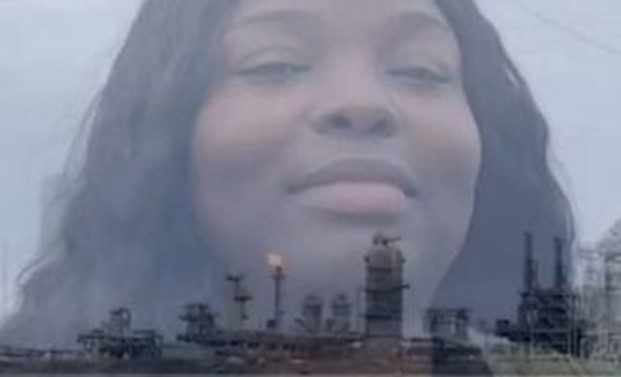
Since attending Roishetta’s first community meeting, I’ve listened on her journey to Washington, D.C. to join Jane Fonda for Fire Drill Friday, and Jane has joined us over the past couple years, filming Roishetta and frontline heroes for the new film “Gaslit.” I’ve listened as Roishetta has helped and provided aid, and I’ve listened as she’s shared voices from the frontlines calling on the big banks financing fossil fuels with her Gulf South Fossil Finance Hub. I am grateful to listen all the way to the Philippines to meet smiling faces and beautiful communities working together as part of the Protect VIP campaign. We honored the moment when President Biden paused all LNG exports.
Who’s protecting it now:
The Vessel Project of Louisiana, a grassroots mutual aid, disaster relief, and environmental justice organization in Southwest Louisiana. Connect with Vessel Project of Louisiana: VesselProjectofLouisiana.org.
The Center for Energy, Ecology, and Development is a think-do institution aimed at providing relevant data and information on issues pertaining to energy, integrity of ecosystems, and general development pursued by the Philippines. CEED envisions a people-oriented, accessible and sustainable energy that respects the integrity and preservation of the environment and ecology while promoting social progress with social justice. Connect with CEED: ceedphilippines.com.
What this place needs:
Roishetta Ozane, founder of the Vessel Project of Louisiana, believes that “The best way to help people is by asking them what will help.”
See more: